The James Baldwin Collection
Collection Summary
The James Baldwin Collection showcases over sixty radio and television programs about or featuring the writer and activist James Baldwin (1924–1987). The collection comprises speeches Baldwin delivered, debates and conversations he engaged in, and readings of his work. It also includes programming reflecting on Baldwin’s life and legacy.
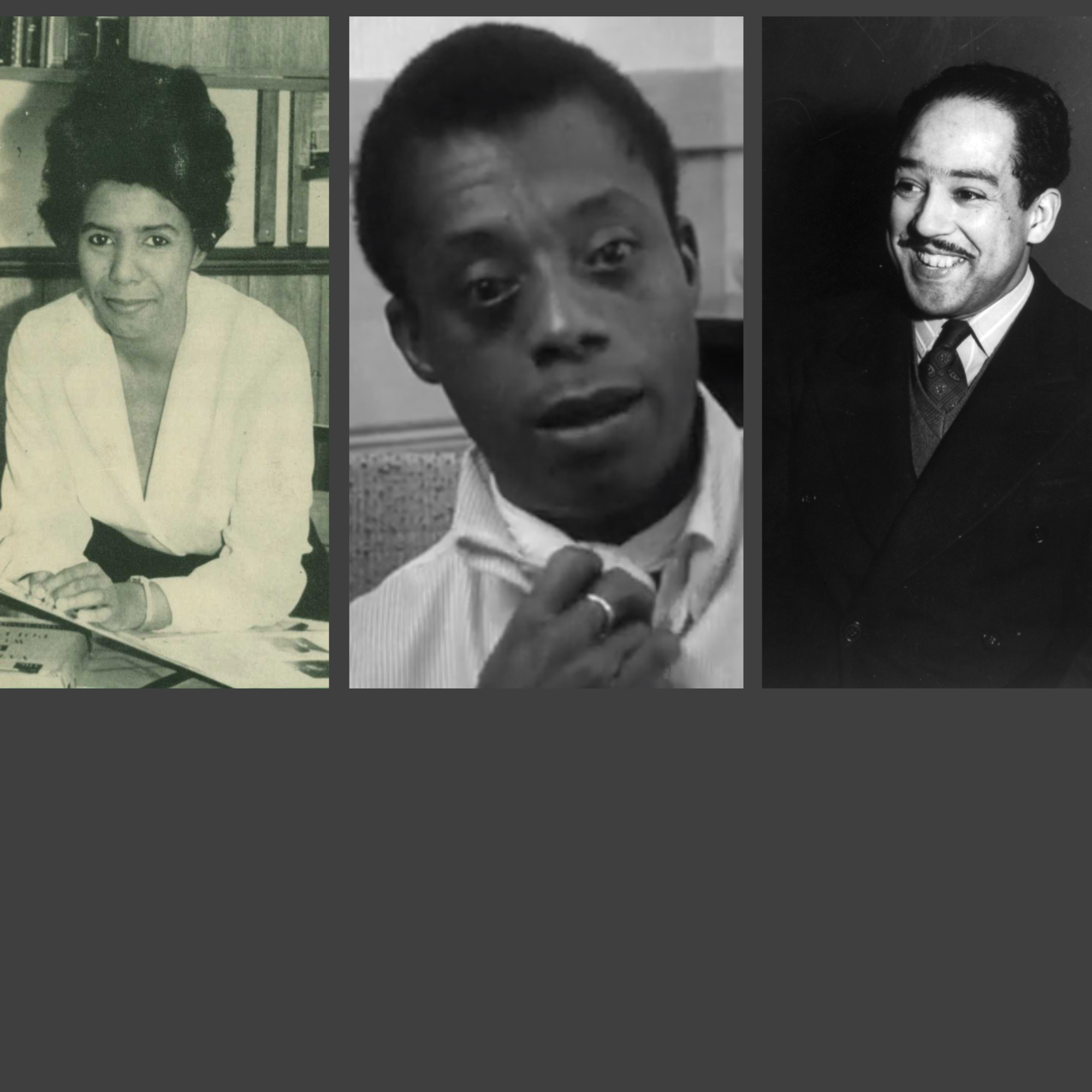
James Baldwin was a novelist, essayist, activist, and orator, but as he notes in “The Artist’s Struggle for Integrity” (1962), he identified chiefly as an artist, and it was primarily through art–specifically, through writing–that he grappled with the crises and contradictions of his time. Several items in the collection feature Baldwin reflecting on the relationship between writing and civic engagement. For example, in the early 1980s, he delivered a lecture on the writer’s responsibility, in which he discussed the writer’s role as truth-teller. Similarly, in an installment of the three-part The Negro in American Culture (1961), Baldwin engages in a conversation with writers Lorraine Hansberry and Langston Hughes, and critics Alfred Kazin and Emile Capouya, about the social responsibilities of Black writers, the challenges they face and expectations placed upon them, and the potential tension between art and activism.
Baldwin frequently appeared on radio and television as a representative of the Civil Rights Movement and advocate for social change. In 1961, he participated in a debate with Malcolm X and a spokesperson for the sit-in movement. Although Baldwin and X were friends, the debate highlights their differences on several issues, including the role of religion in the struggle for racial justice, the effectiveness of nonviolent direct action, and Black separatism. Their differences of opinion, as well as their points of agreement, are also on display in Perspectives: The Negro and the American Promise (1963). Hosted by psychologist Kenneth Clark, the program features Clark in three separate conversations with Baldwin, X, and Martin Luther King, Jr. Baldwin’s conversation with Clark took place immediately after their historic meeting with Attorney General Robert F. Kennedy. In his interview, Baldwin reflects on the contradictions of African American identity and the moral reckoning that the Black freedom struggle was forcing white Americans to confront.
One of the most noteworthy items in the collection is Take This Hammer (1963), a film directed by Richard O. Moore and produced by KQED-TV for National Educational Television (NET). In it, Baldwin tours Black neighborhoods in San Francisco and speaks to Black youth and community leaders. Through these discussions and Baldwin’s commentary, the film explores structural racism in a northern city, demonstrating that racial inequality was not relegated to the rural South.
As a teenager, Baldwin preached at the Fireside Pentecostal Assembly in Harlem, and his skills as an orator are on display in the many recorded speeches in the collection, including the address he delivered at Cambridge University in 1965. Baldwin’s remarks, which were met with a standing ovation, were part of a highly formalized debate he engaged in with conservative commentator William F. Buckley about race and the American Dream. Baldwin also debated more like-minded contemporaries, such as poet Nikki Giovanni. In 1971, they appeared on a two-part episode of NET’s Soul! to discuss everything from generational differences to gender roles.
Although Baldwin eschewed labels, he was open about his romantic relationships with men and wrote about same-sex desire at a time when homosexuality was heavily stigmatized. The collection features Baldwin reading an excerpt from Giovanni’s Room (1956), a landmark novel in the history of LGBTQ representation. It also includes programs from the 1990s that position Baldwin as a gay writer and role model for Black LGBTQ youth.
Collection Background
The James Baldwin Collection brings together programming from stations and broadcast organizations from across the country, including WGBH, KQED, NET, WNYC, and Pacifica Radio Network. Due to copyright restrictions, some items in the collection are not available streaming from the AAPB’s site; however, they may be accessible through remote research access. To learn more, email aapb_notifications@wgbh.org. The James Baldwin Collection was added to the AAPB in September 2026.
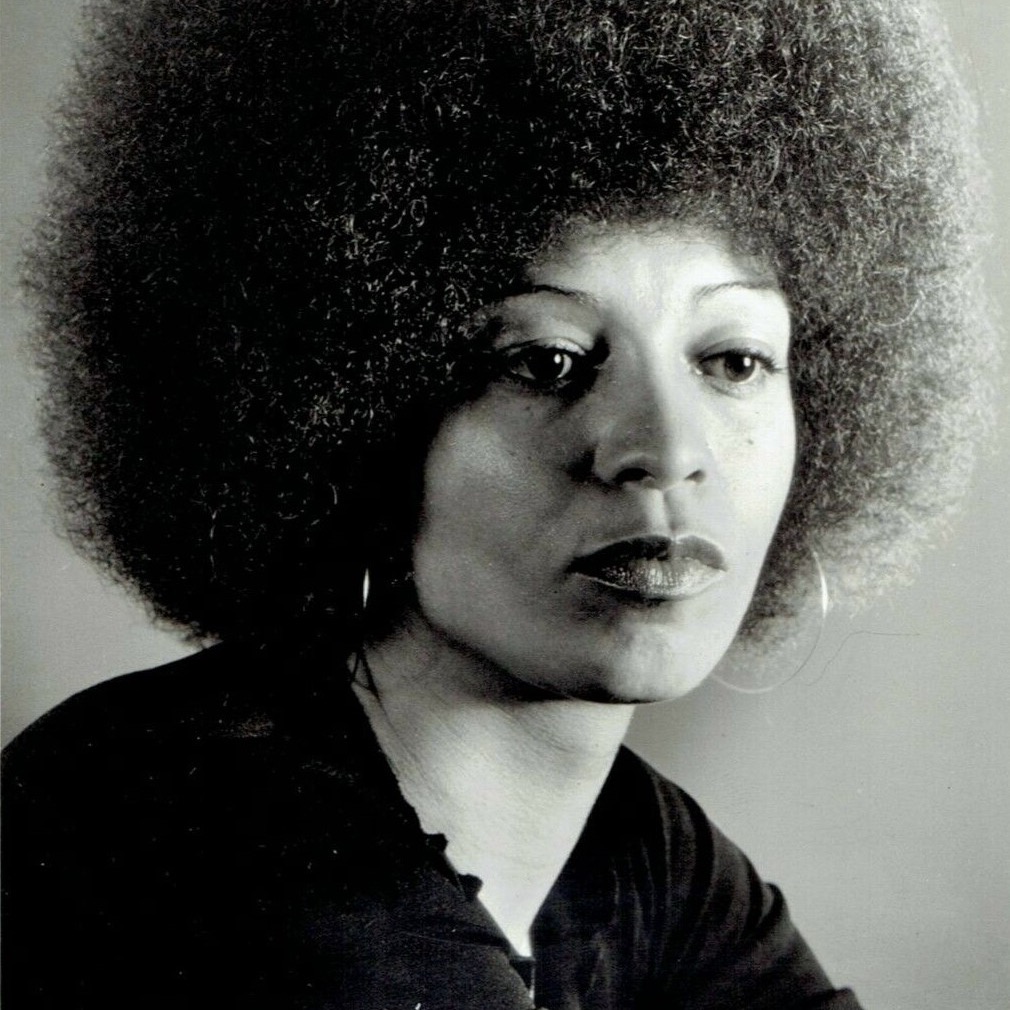
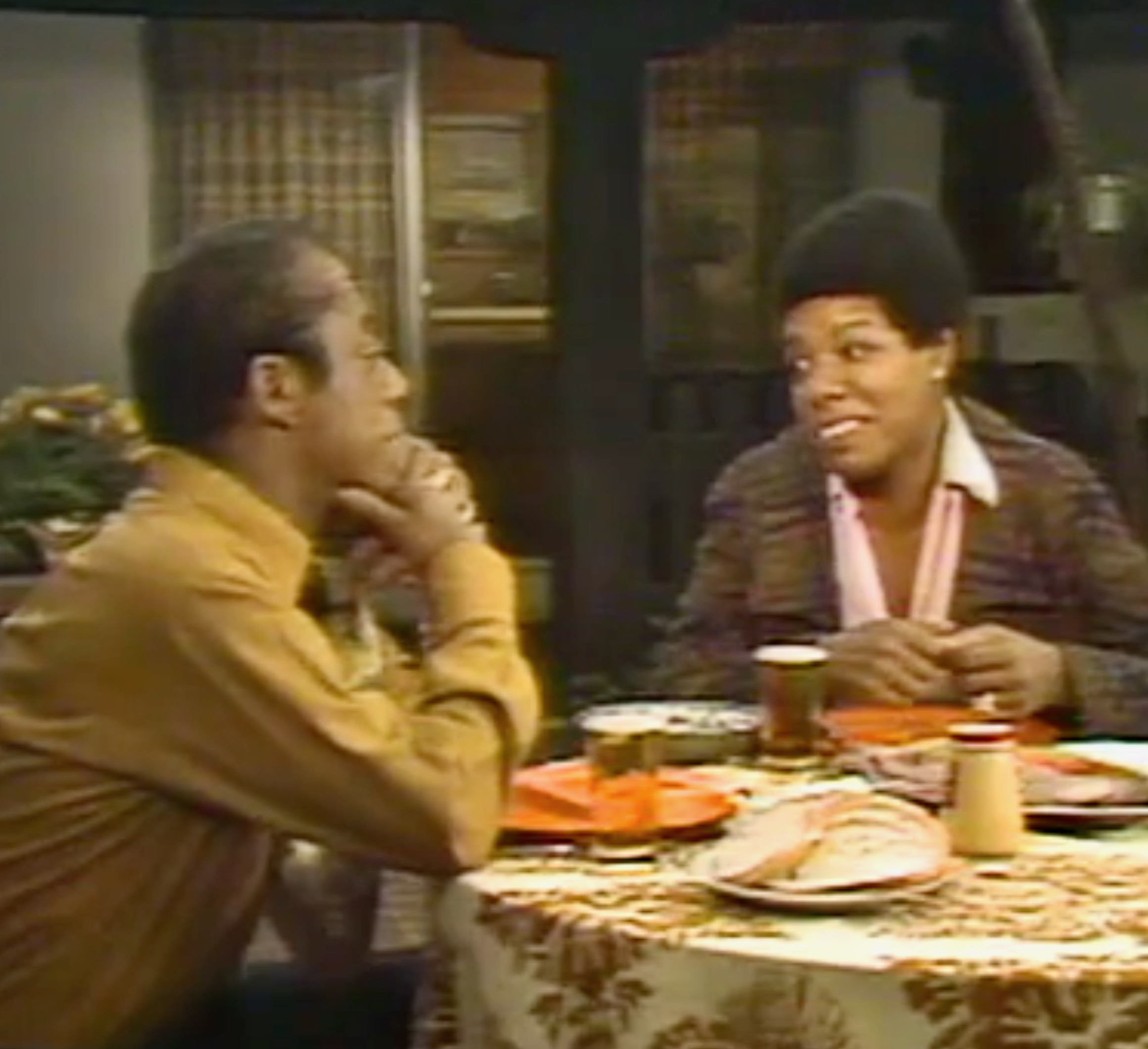
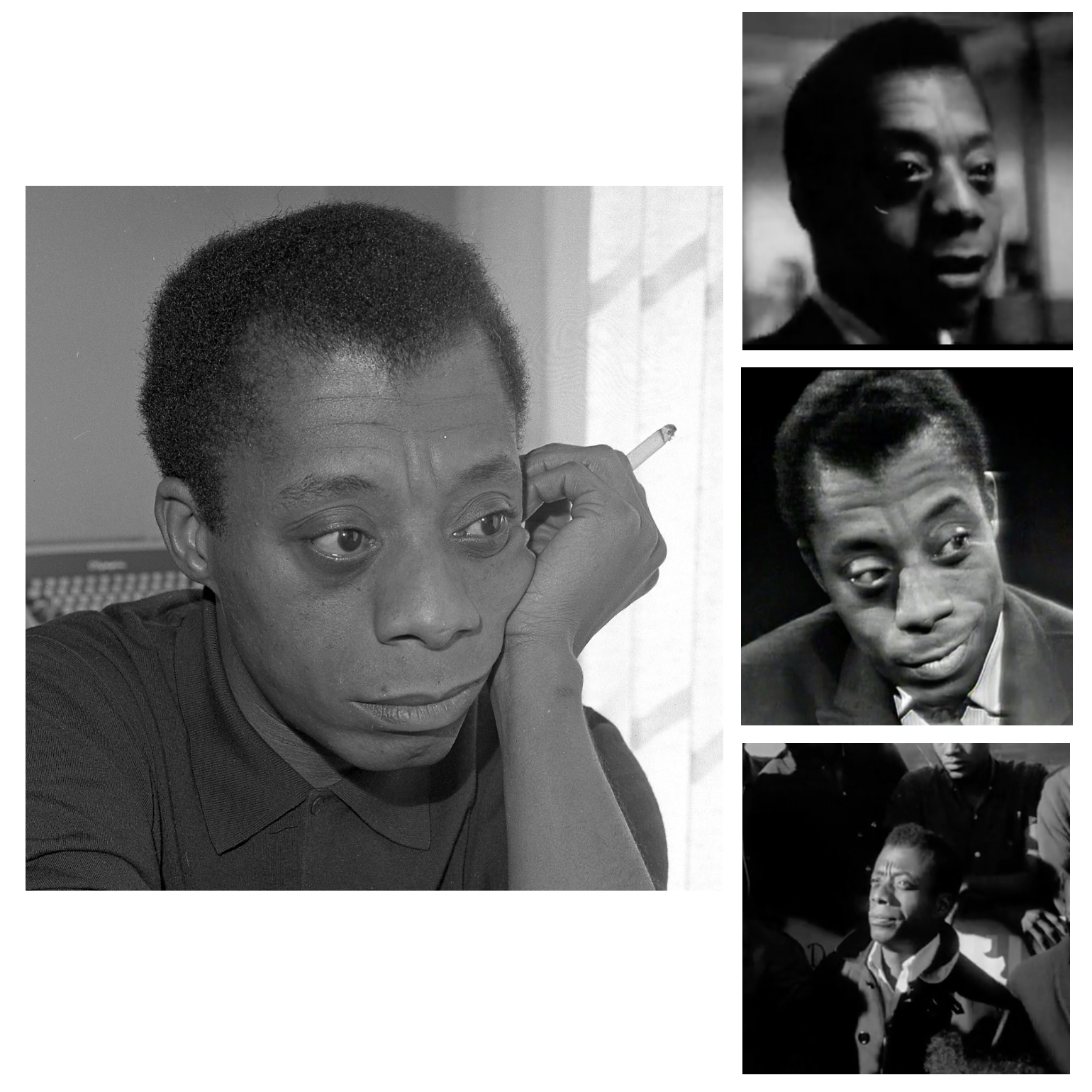
Cover image collage includes "Author James Baldwin, 1964” by R. L. Oliver, Los Angeles Times, used under CC BY 4.0. Modified from the original.