The Battle Over Marriage Equality

Created By

Ben Leff, University Laboratory High School (Urbana, Illinois)


Subjects
  • Conservative Resurgence and Social Change, 1964-2000: Counterculture and Social Activism
  • America into the 21st Century: 2001-Present: The Struggle Over Justice and Equity

Introduction & Context

Marriage is a cherished bond between two people, but it is also a legal arrangement that guarantees certain rights and privileges related to taxation, inheritance, health insurance, child custody, and more. Until the late 20th century, this special legal status had been denied to same-sex couples. Marriage was largely understood, in the courts and in society, as a union between a man and a woman.

The emergence of the Gay Rights Movement in the 1960s led to increasing visibility of LGBTQ+ people and calls to end government policies that discriminated against gay people. By the 1990s, access to marriage for same-sex couples emerged as a central issue for activists and legal organizations fighting for equality. They argued that it is immoral and illegal to deny the status of marriage to same-sex couples; why should any American lack access to the legal rights and protections of marriage because of their sexual orientation? Other Americans passionately held that marriage was a venerated tradition, ordained by God, that had been understood for millennia as a sacred bond between a man and a woman.

The marriage equality issue was often propelled into the political spotlight by legal challenges and court decisions, as several state courts ruled that laws limiting marriage to straight couples violated constitutional guarantees to equal protection under the law. Such decisions led to anxieties and confusion for some Americans. Must same-sex marriages performed in one state be recognized in another state? Would other state supreme courts draw similar conclusions and require same-sex marriage? Fearful of judicial decisions that would guarantee marriage equality, politicians across the country pushed to amend their state constitutions to explicitly define marriage as a union between a man and a woman. Between the 1990s and the 2010s, several dozen states passed laws or constitutional amendments banning marriage for same-sex couples.

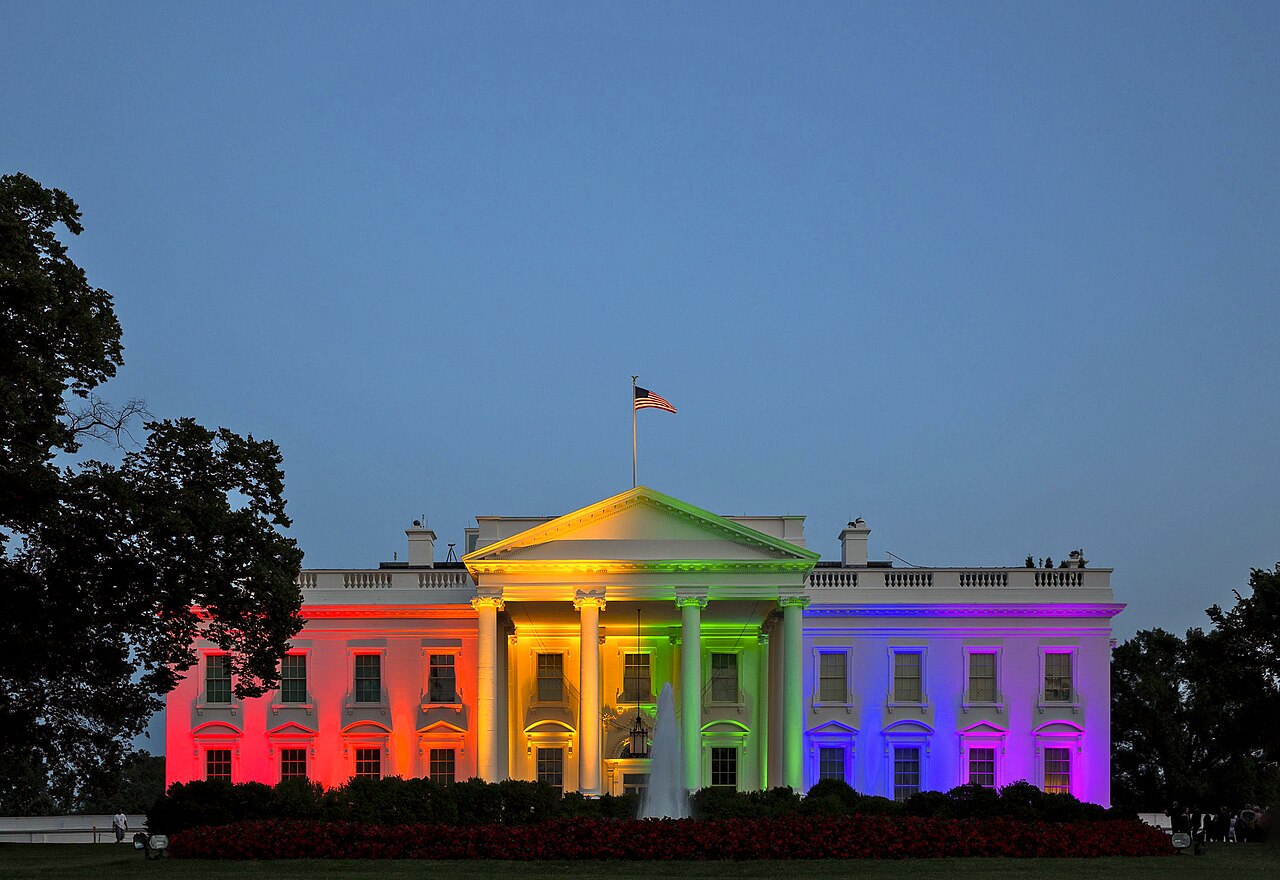
But by the 2010s, public opinion had shifted considerably. In 1996, just 27 percent of Americans polled by Gallup supported legalization of same-sex marriage. By May 2015, that number had risen to 60%. And in 2015, the Supreme Court forever changed the legal landscape with Obergefell v. Hodges, a landmark case that ruled that it was unconstitutional to deny marriage licenses to same-sex couples (Brenan 2024). In a decision penned by Anthony Kennedy, the Court held that the plaintiffs, 14 same-sex couples and two men whose partners had passed, had been “excluded from one of civilization’s oldest institutions. They ask for equal dignity in the eyes of the law. The Constitution grants them that right.” After decades of social, political, and legal debate—in which Americans grappled with weighty questions of state versus federal power, the role of the judiciary versus the legislature, and the rights of minorities in a democracy—same-sex marriage was legal across the United States

Read More +

Teaching Tips Download PDF

This set can be understood as consisting of two layers: the historical and the ideological. For the historical layer, a number of the clips allow viewers to track the evolution of the marriage equality debate from the 1970s to the Obergefell v. Hodges decision in 2015 (with special focus on key historical moments, such as the aftermath of the Massachusetts Supreme Judicial Court decision in 2004). There is also an ideological layer, as a number of clips feature proponents and opponents of marriage equality articulating their views. Watching these clips allows the viewer to understand the range of arguments used to criticize or defend marriage equality. Some clips feature both historical and ideological layers. Collectively, the sources in the set introduce viewers to the contours of the marriage equality debate and how the terms of that debate changed over time.

Background Information

Before engaging with this resource set, students should be familiar with the following:

  • Defining features of the U.S. Constitution
  • Some history of the LGBTQ+ rights movement
  • The major social and political beliefs of Americans, specifically American Christians


Essential Question

Why and how did marriage become legal for same-sex couples in the United States?


General Discussion Questions

  • What arguments did some Americans make in favor of marriage equality? What arguments did other Americans make in opposition?
  • What features of the U.S. Constitution shaped political battles over marriage in the United States?
  • What factors might explain why public opinion shifted so dramatically in favor of marriage equality between the 1990s and 2010s?


Classroom Activities

The Debate Over Marriage Equality

Have students watch 3-5 of the sources in which people explain their support or opposition for marriage equality. You can pick whatever clips you feel are best suited for your class (virtually all of them include people making arguments either for or against), but a good collection might be:

The 2004 Moment

Have students watch the following clips from 2003 and 2004.

Discuss the following questions:

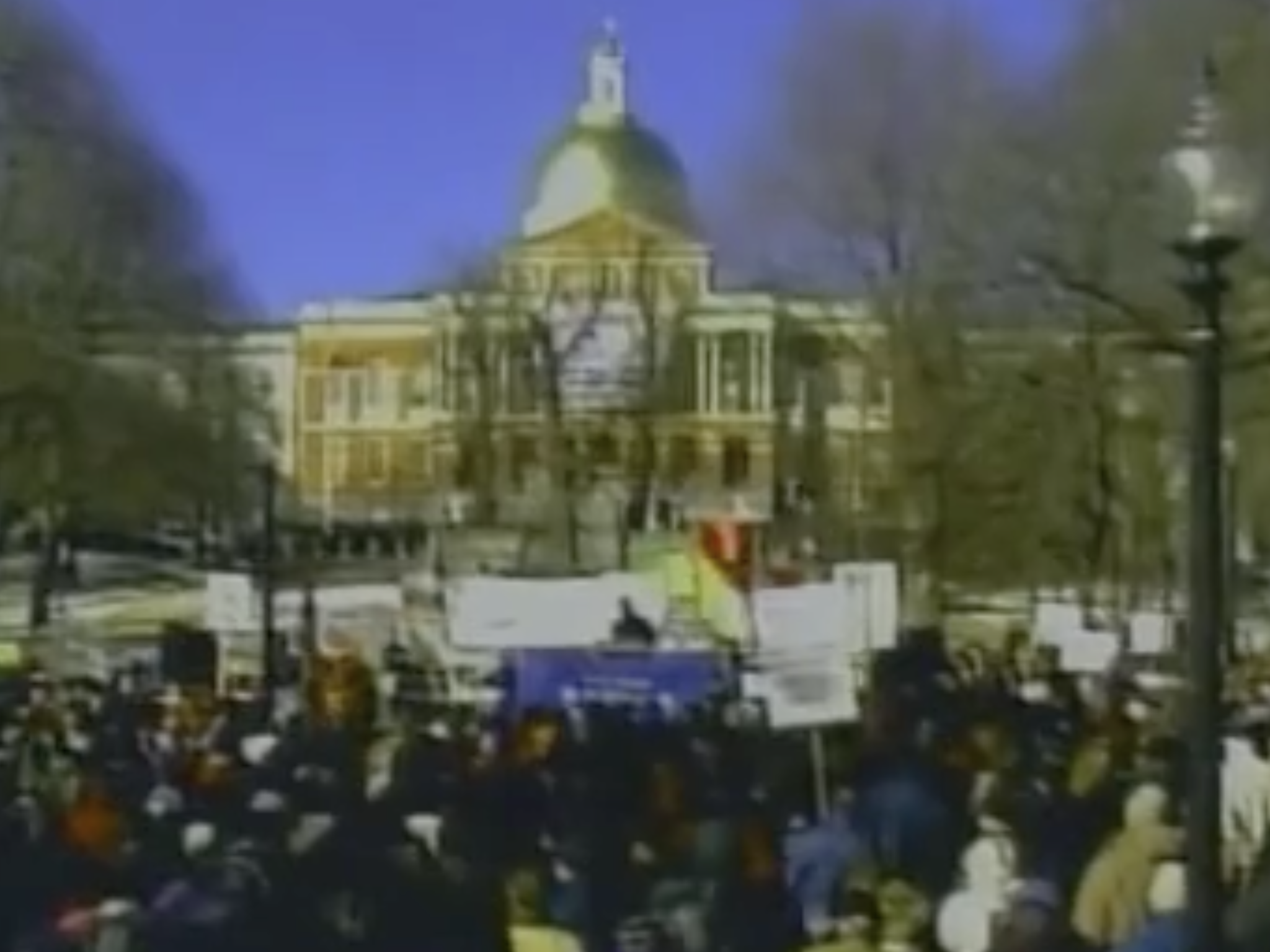
  • Why did the court decision legalizing same-sex marriage within Massachusetts provoke such a strong response outside the state?
  • What might have motivated Republicans at this time to propose amending state constitutions to codify marriage as between a man and a woman?
  • Why might Republicans like President Bush have felt it was important to pass a national constitutional amendment banning same-sex marriage?
  • Given that these efforts were being pursued in the midst of the 2004 campaign, what role might political motivations be playing here?
  • For many gay marriage advocates, the 2004 election seemed like a major step backward. Why might they have felt that way?
  • Some commentators argued that the gay marriage issue was important for Republican victories in the 2004 election. Why might they have believed that?
The Marriage Debate and American Governance

In a civics or government class, teachers might want to use sources from this set to discuss marriage equality in light of specific features of the American political system, such as federalism and the Constitutional protections of the 14th amendment. Have students watch some or all of the following clips:

Discuss the following questions:

  • Why did many courts find that bans on same-sex marriage were unconstitutional?
  • Why did the supreme court decisions in Hawaii and Massachusetts provoke responses in other states and on the federal level? Why did some elected officials feel it was important to change state constitutions to protect “traditional marriage”?
  • On several occasions, state and federal courts overturned laws that were approved by voters and legislators.
  • Why did critics of marriage equality argue that this was unfair? How did defenders of marriage equality argue that such judicial action was necessary?
  • What do you think?
  • When is it appropriate for the Supreme Court to override laws created through democratic processes?
Why Did Things Change?

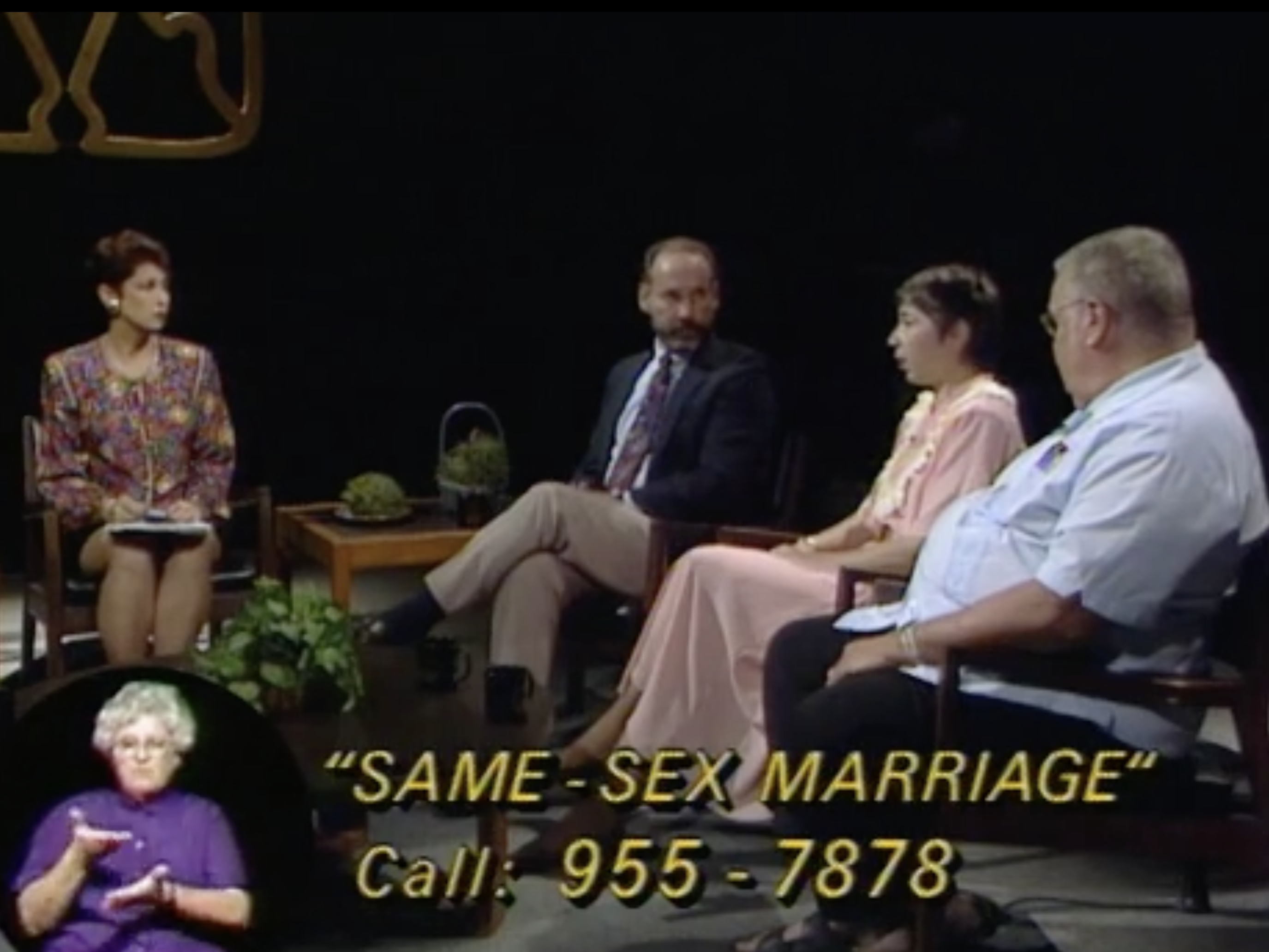
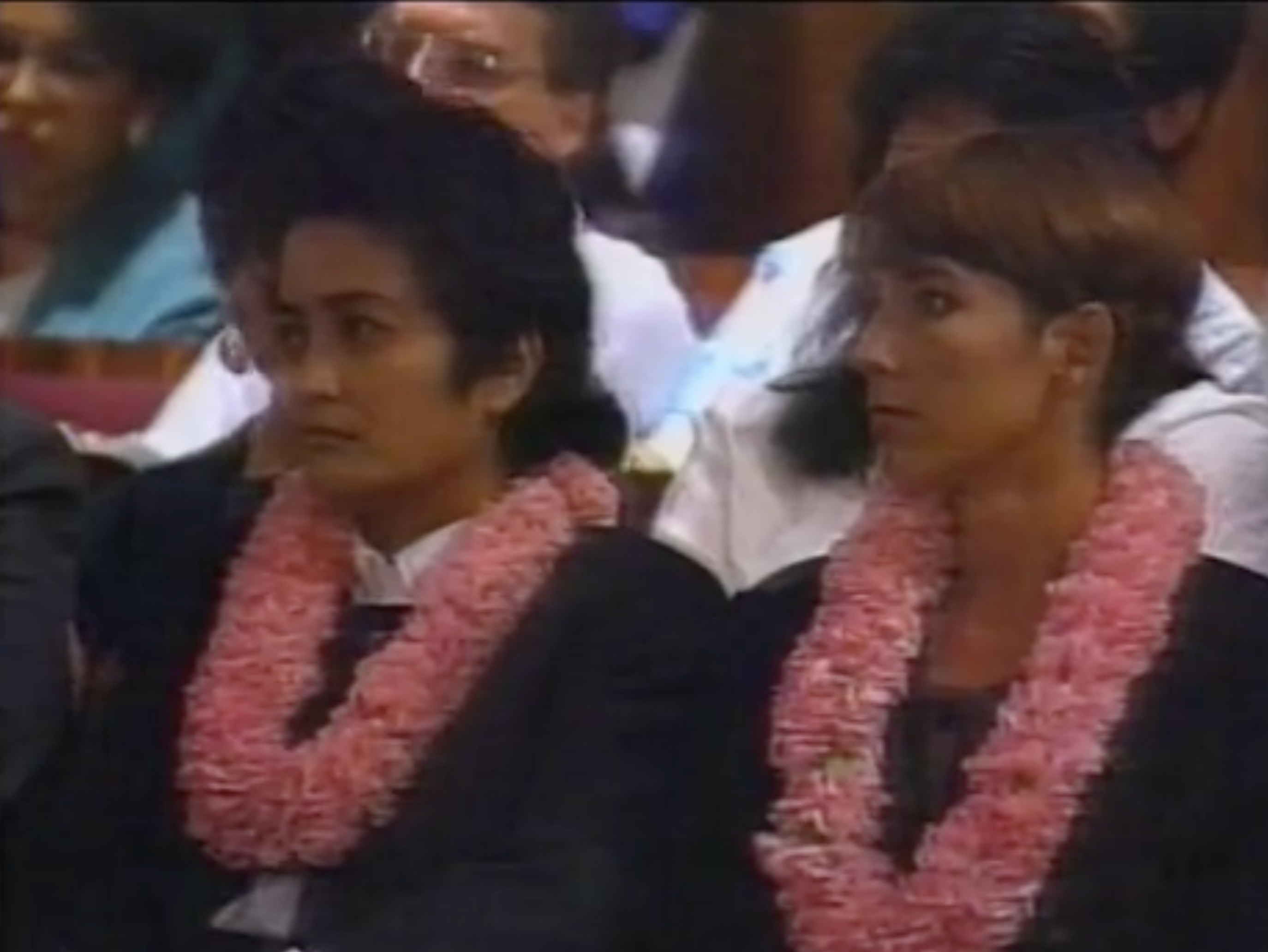
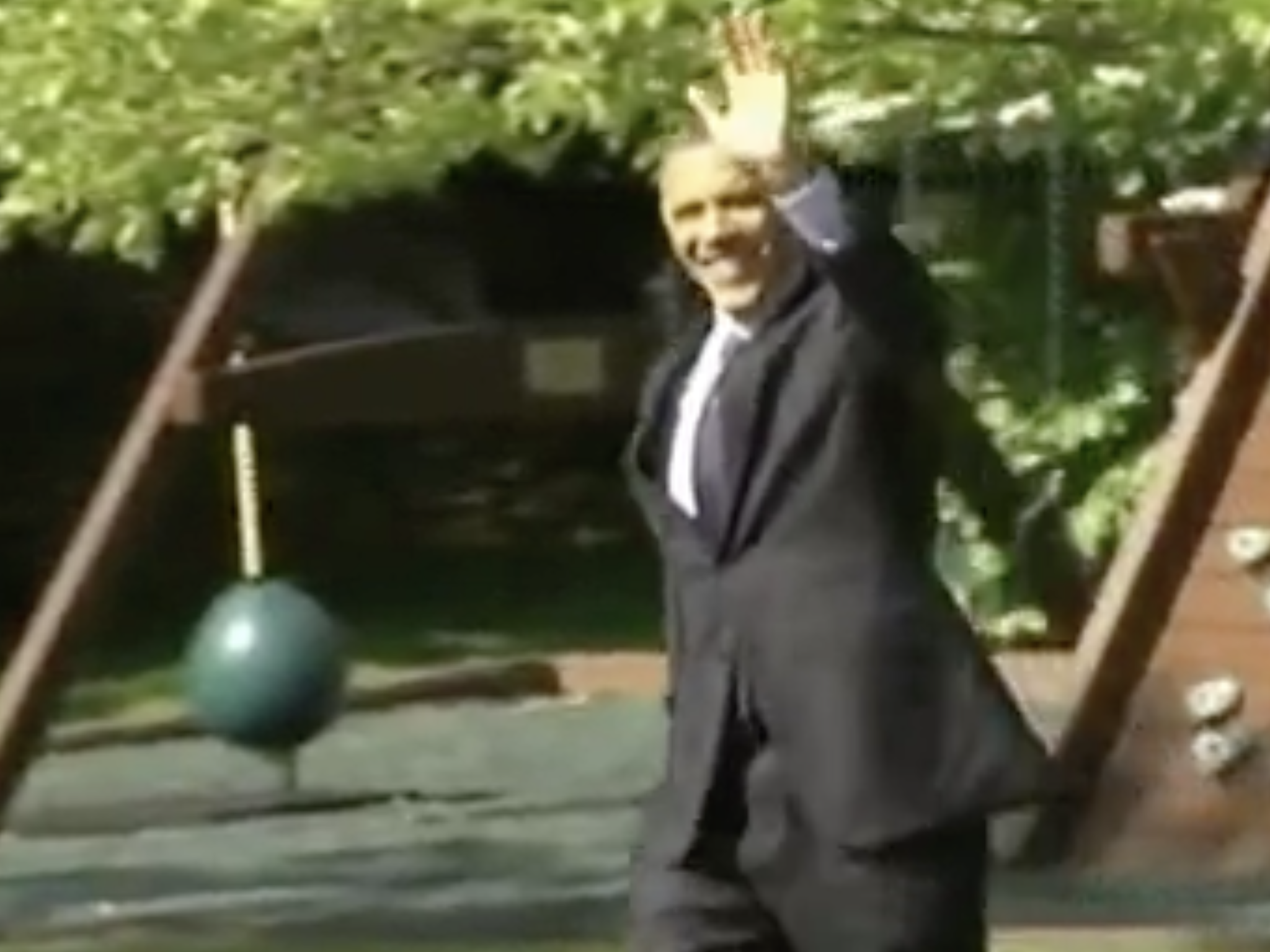
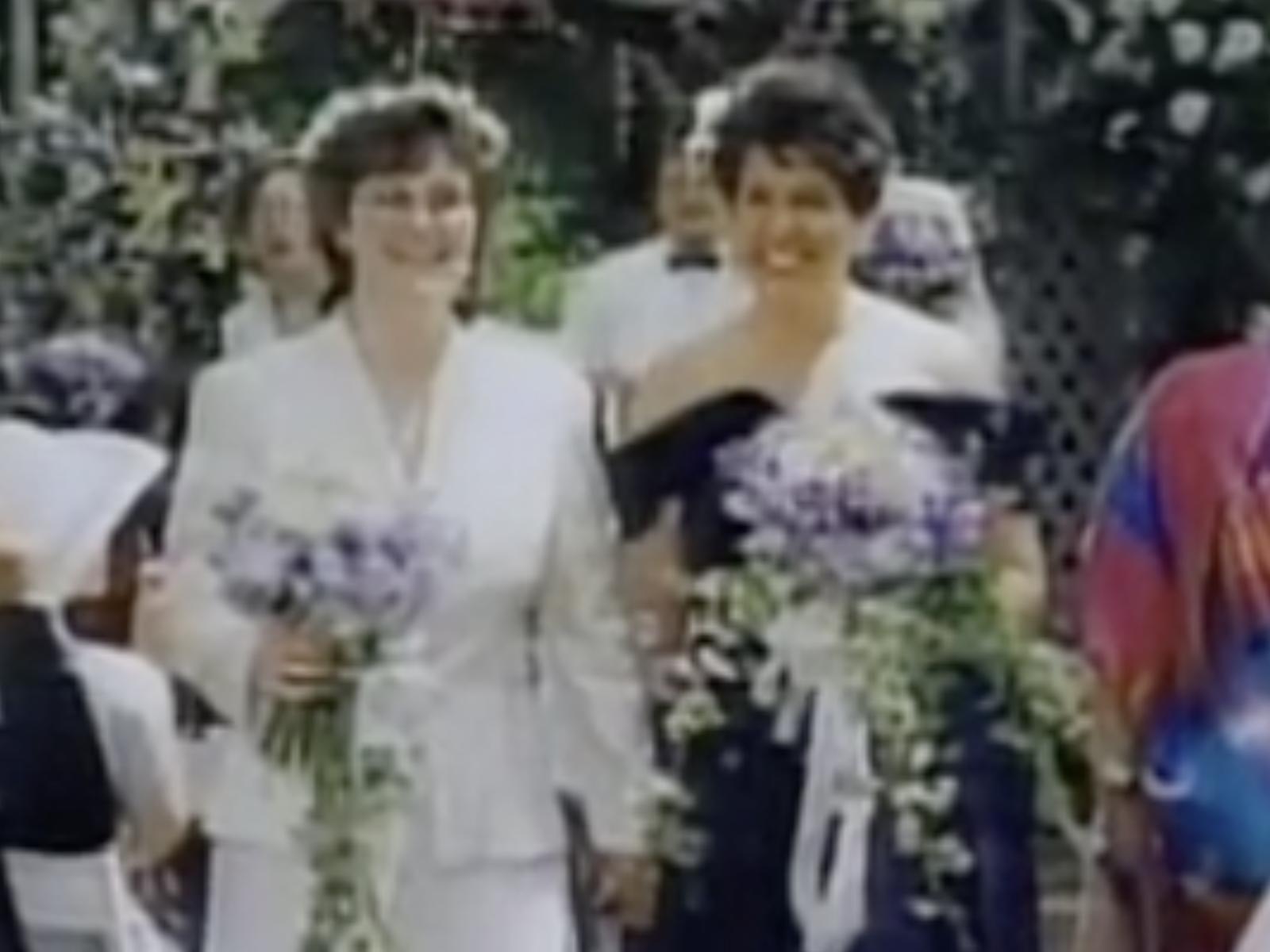
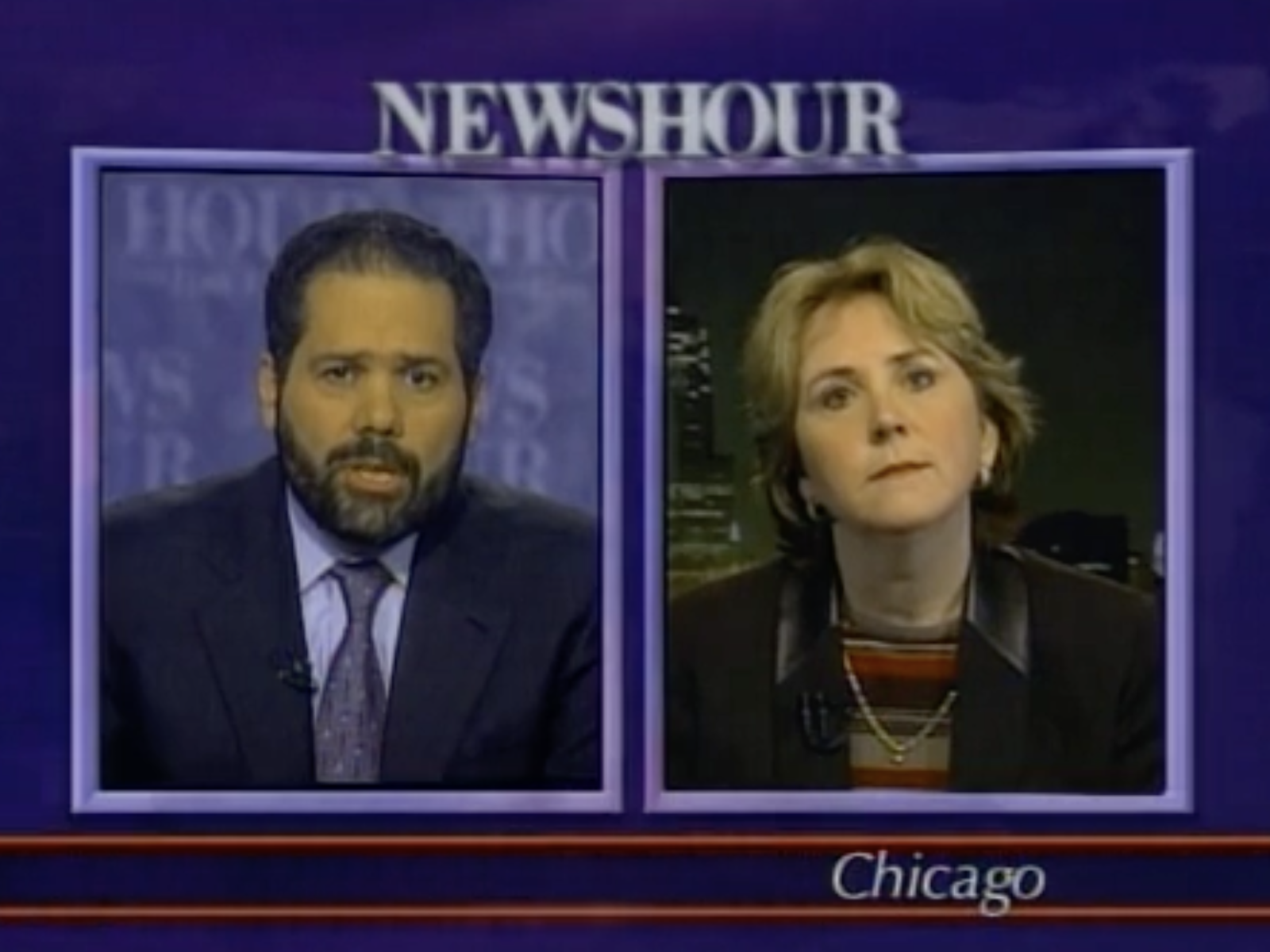
Pick some sources from different time periods in the set for students to watch. For example, consider this collection: - Hawaii Court Decision Puts Marriage Equality in the National Spotlight (1996) - Massachusetts Ruling Shakes Up Marriage Equality Debate (2004) - Political Mobilization Against Marriage Equality in the 2004 Election (2004) - President Obama Comes Out in Favor of Marriage Equality (2012) - The Obergefell v. Hodges Decision Legalizes Same-Sex Marriage (2015)
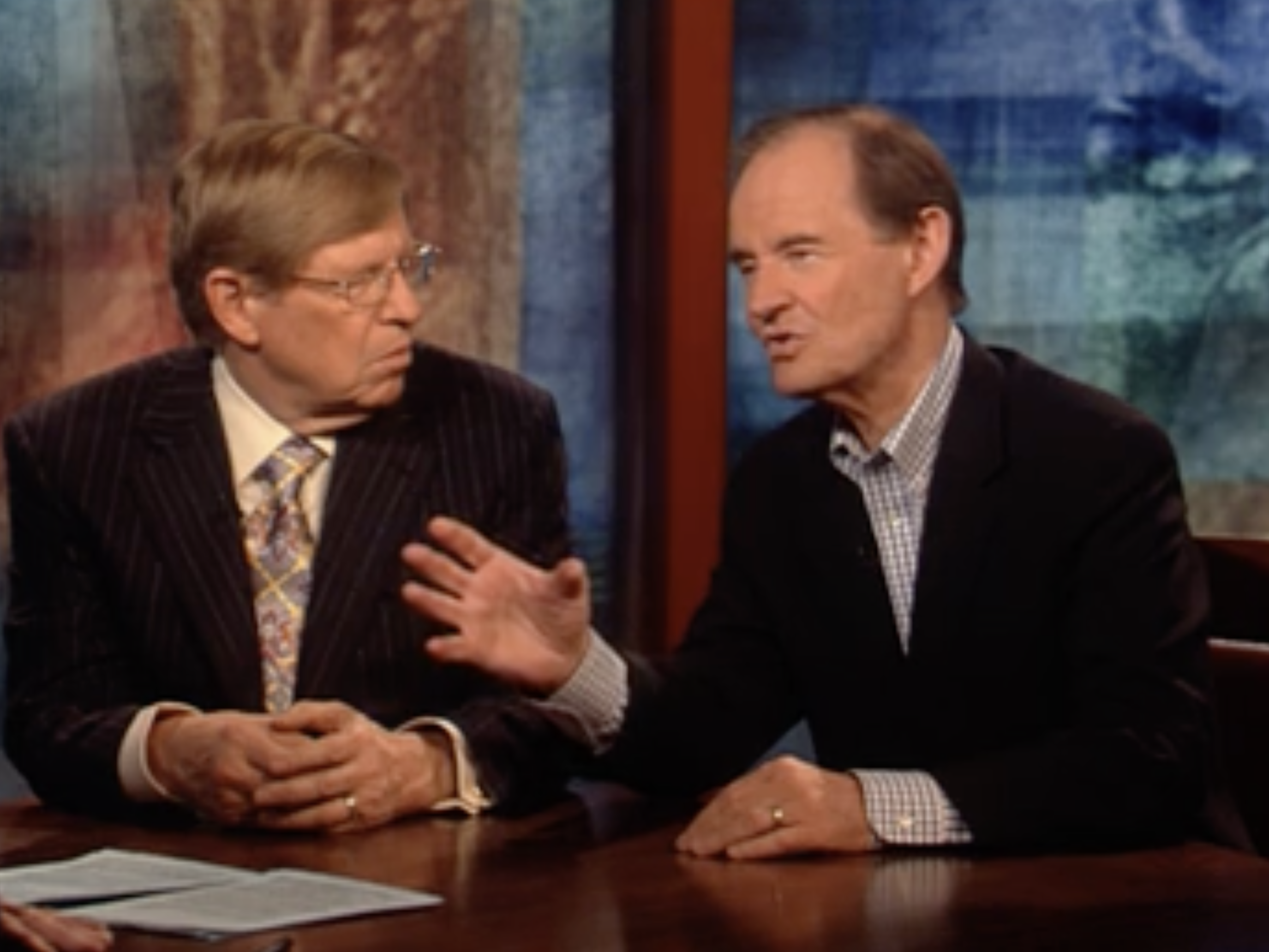
Then have students read some of the data from the Pew Research Center about Public Attitudes on Same-Sex Marriage. Ask them to combine this data with what they’ve learned from sources in the set, then discuss the following questions:

  • What trends in the data do you notice in public opinion about same-sex marriage?
  • What do the sources indicate about how the political popularity of same-sex marriage changed over time?
  • What possible social explanations can you offer for why popular support for same-sex marriage grew over time?
  • Do you think changes in public opinion could have shaped Barack Obama’s decision to only support civil unions in 2008 and then support full marriage equality in 2012? Why or why not? y
  • To what extent do you believe that the changing social and political environment was responsible for the Supreme Court’s decision in Obergefell?
  • If the Supreme Court were to overturn Obergefell, returning legal decisions about same-sex marriage to the states, what might happen? Where might same-sex marriage remain legal? What might the federal government do?


Additional Resources

  • Obergefell v. Hodges: Summary and Full Opinion, National Constitution Center
  • Public Attitudeds on Same-Sex Marriage, Pew Research Center