Video games are now a major form of 21st-century entertainment, with a variety of consoles and types of games for every demographic. Video games anchor multimillion dollar franchises spanning film and television, such as Super Mario Brothers, Mortal Kombat, and Tomb Raider, to name a few. The 1980s marked a pivotal shift for the medium. Both coin-operated video games in arcades and games on early home computers saw massive growth in the early part of the decade, only to stall economically a few years later. The industry rebounded by the end of the 1980s, due in part to the debut of the Nintendo Entertainment System video game console in 1985. As the popularity of video games increased, so too did the debates about their social and cultural impact. This set offers insight into how video games were understood technologically, economically, and socially during this critical period in U.S. video game history
The Rise of Video Games in the 1980s: Pac-Man, Mario, and Moral Panics

- Created By
Dr. Lindsay Hogan, Associate Professor of Communication, Boston College
- Subjects
- Conservative Resurgence and Social Change, 1964-2000: Domestic Politics
- America into the 21st Century, 2001-present: Science and Technology
Introduction & Context
Sources
The inclusion of individuals, organizations, or viewpoints in these materials does not constitute an endorsement by the American Archive of Public Broadcasting. Archived materials are presented as part of the historical record.
Content Advisory: These archival materials may reference content that could be sensitive for some audiences. It is recommended that teachers and faculty preview these media sources to determine their appropriateness before sharing with students.
 Video Games Replacing Pinball Machines (1980)
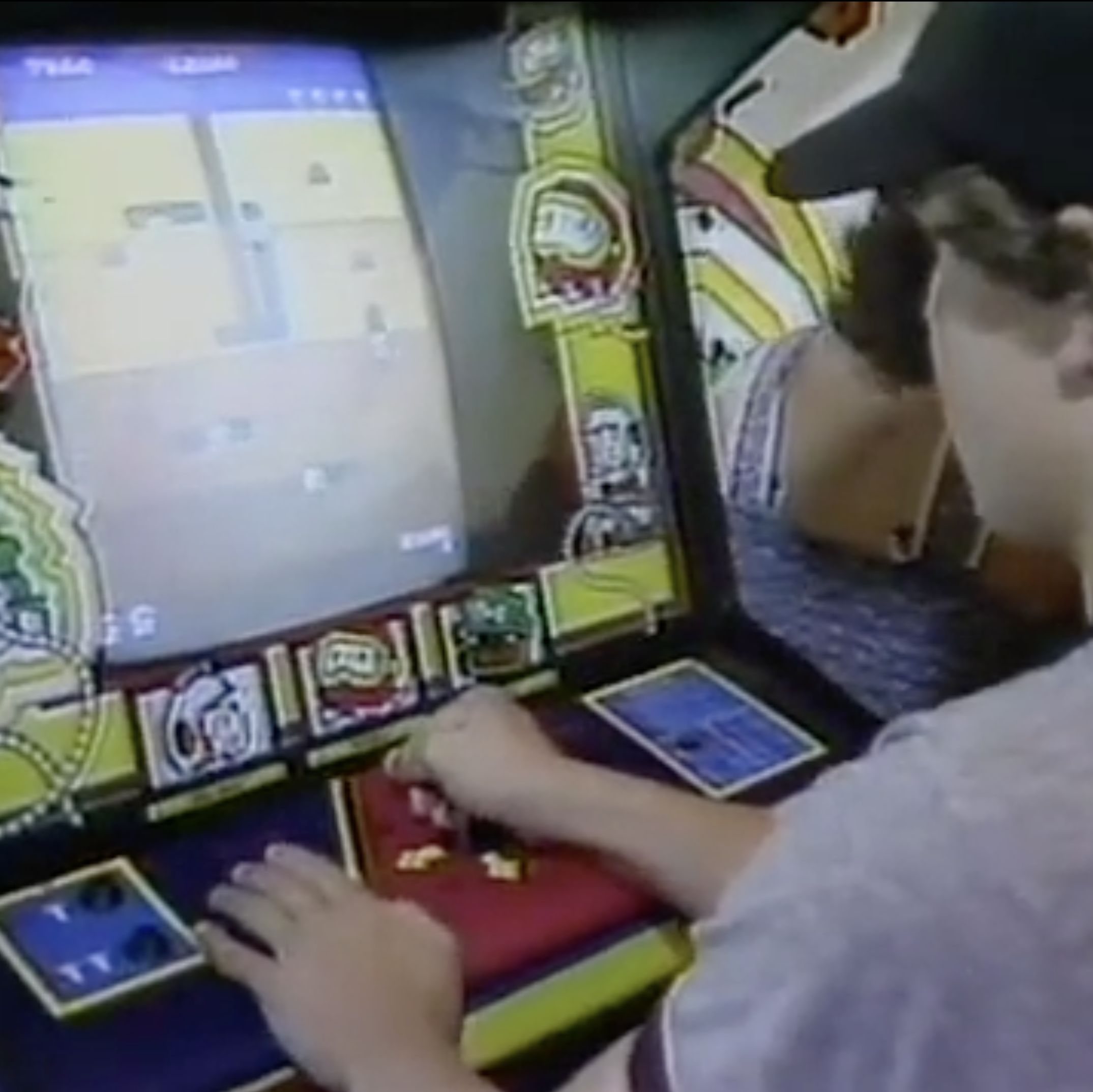 Video Game Arcades and Parental Concerns in New Jersey (1982)
 Video Games, Gambling, and Organized Crime (1991)
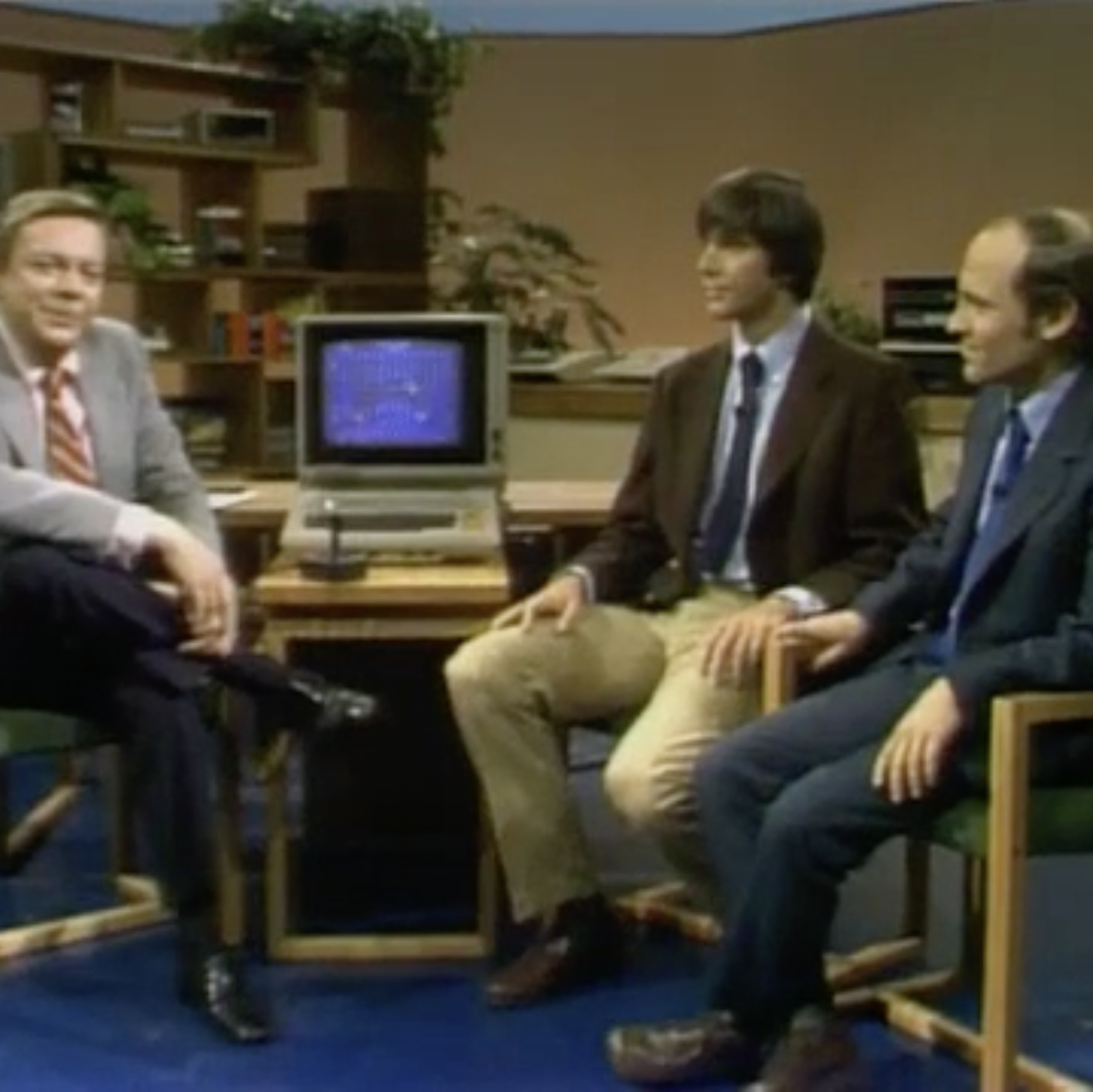 Game Designers Reflect on the New Medium (1983)
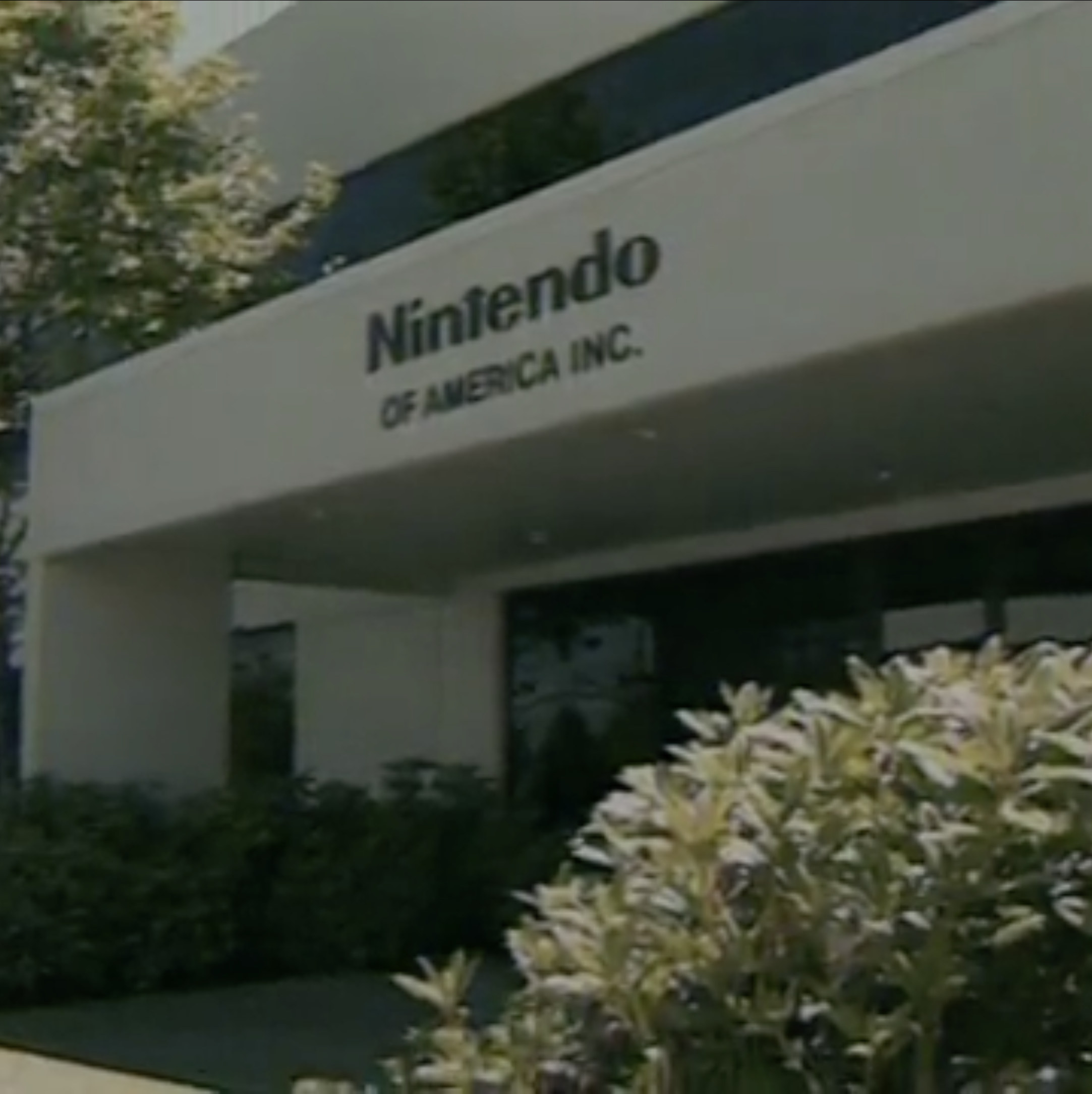 Nintendo Becomes Mainstream (1988)
 The Legacy of Pac-Man (1990)
Teaching Tips Download PDF
This set offers insights into key moments of early video games and media culture more broadly during the 1980s. As the popularity of video games increased, so too did the debates about their social and cultural impact. This set offers insights into ways video games were understood technologically, economically, and socially during this critical period in the history of the medium. These resources may be useful in helping students understand the multilayered aspects of how a new technology becomes mainstream and the way new tech is often met with simultaneous discourses of excitement and concern.
Background Information
Before engaging with this resource set, students should be familiar with the following:
- Basic understanding of technological advances in the late 20th century
- General knowledge of video games as a medium
Essential Question
How were video games understood technologically, economically, and socially as a form of entertainment in the 1980s?
General Discussion Questions
- How did video games differ from previous forms of entertainment in places like arcades?
- What were some of the concerns that accompanied the rise of this new technology?
- How has the design, play, and culture of video games evolved since the 1980s?
Classroom Activities
1) Ask students to listen to/watch the following sources:
- Video Games Replacing Pinball Machines (1980)
- Video Game Arcades and Parental Concerns in New Jersey (1982)
What major changes occurred to entertainment arcades in the early 1980s? Why were adults so concerned about them? Ask students to think of how video game arcades have evolved since then. What does the modern day equivalent look like (i.e. Dave & Buster’s, local retro arcades)? Are there the same concerns from adults about arcades today? Why or why not?
2) Ask students to listen to/watch the following source:
What were the potential benefits of video games in the 1980s, according to the sociologists? What were the potential dangers of playing video games? Ask students to think about the current debates about the pros and cons of video games, either generally or in their own lives (i.e. among parents, family members, etc). What aspects of the sociologists’ discussion remain consistent in today’s environment? What’s changed?
3) Ask students to watch the following source:
Why did the video game industry contract so much in the mid-1980s, according to the interviews? What features did the Nintendo Entertainment System introduce that differentiated it from its competitors? How has Nintendo continued to innovate in the decades since it first became a household name?
Additional Resources
References
Cover image: “Retrovolt Arcade 2017 – Arcade Machines 2” by Arcade Perfect, via Wikimedia Commons, licensed under CC BY 2.0. View original image.

