The sources in this set introduce students to a scientific understanding of climate change and its impact, but ultimately focus on the political challenge posed by climate change. The first four clips provide students with important scientific and historical context, introducing students to an explanation of the greenhouse effect and exploring how climate change could contribute to rising temperatures, flooding, droughts, and wildfires. The next four clips explore different political and technological approaches to reducing carbon emissions and mitigating the impact of climate change. While the strategies presented are not inherently in conflict—for instance, a government could both allow greater use of nuclear power while also taxing carbon—it is fair to say that each clip explores a distinct political approach that is informed by different beliefs, priorities, and theories of political change. The final four sources focus on the challenge of international cooperation in the fight against climate change. The clips proceed chronologically, starting with the aspirations for coordinated international climate action as shown in a 1990 documentary, followed by three examples of PBS news coverage of global climate conferences in 1997, 2015, and 2019.
Collectively, the set allows students to grapple with a central political challenge of climate change. Even though scientists have demonstrated the potentially devastating impact of climate change, many countries are reluctant to incur expenditures and make economic sacrifices to mitigate its threat. In such a world, how can citizens and governments collaborate and compromise to respond to what many believe to be an existential challenge for humanity?
Before engaging with this resource set, students should be familiar with the following:
- Scientific views regarding the causes and impact of climate change.
- The United Nations as a site for international deliberation and cooperation.
Essential Question
How should governments respond to climate change?
General Discussion Questions
- What dangers does climate change pose, and how might human societies be negatively affected by its effects, such as global increases in temperature and extreme weather?
- What policies could most effectively reduce carbon emissions?
- Why might it be hard to sustain political support for some policies that would reduce carbon emissions?
- What factors can make it challenging for different countries to reach international agreements on global climate policies?
- What policies do you think should be adopted to address climate change? What policies shouldn’t?
Classroom Activities
1) The Impact of Climate Change
Have students watch the following clips:
Discuss the following questions with students:
- Explain the greenhouse effect in your own words. What kinds of human activities increase the emission of greenhouse gases, and why do those rising emissions result in climate change?
- Why might some people express skepticism about the prevailing scientific consensus surrounding human-influenced climate change?
- At first glance, a global rise in temperature by just a few degrees might seem insignificant. What problems could emerge or intensify if climate change continues in the future? ?
2) Policy Solutions to Climate Change
Ask students to watch the following clips:
In these clips, students hear proponents of various approaches to climate change. For each approach, ask students”
- What are the benefits of this approach?
- What are the drawbacks of this approach?
Then ask students:
- In different ways, the speakers in all of these clips express an awareness that there might be various forces of resistance to efforts to address climate change. What are some reasons that certain people or groups might oppose certain climate policies?
- Which approach, or combination of approaches, do you think would be both politically popular and effective at addressing climate change?
- If you have more time, you could divide students into small groups and have each group decide on a set of policies and then explain to the class why they think their approach would be both effective and politically viable.
3) Global Climate Policy
Have students watch the following clips:
Then ask students:
- What kinds of climate commitments do countries seem to make at these kinds of conferences?
- What factors might shape what climate policies a given country would be willing to support? How might industrialized versus developing countries approach the issue of climate change mitigation differently?
- What role did domestic politics seem to play in the decisions made by the United States?
- In general, what is difficult about reaching international agreements at these kinds of summits?
As an extension activity, you could assign students the roles of different countries (a wealthy, industrialized country like the U.S. or Sweden; a large, growing industrializing country like China or India; an oil rich country like Russia or Saudi Arabia; a developing country like Bangladesh or Ghana; a small island nation like Fiji or Mauritius). Students could research questions like: How could this country be impacted by climate change? What greenhouse emissions policies would they be willing to enact? What political and economic dynamics within the country might shape their climate policy decisions? Students could either report on their findings to the rest of the class, or take part in some kind of mock climate conference.

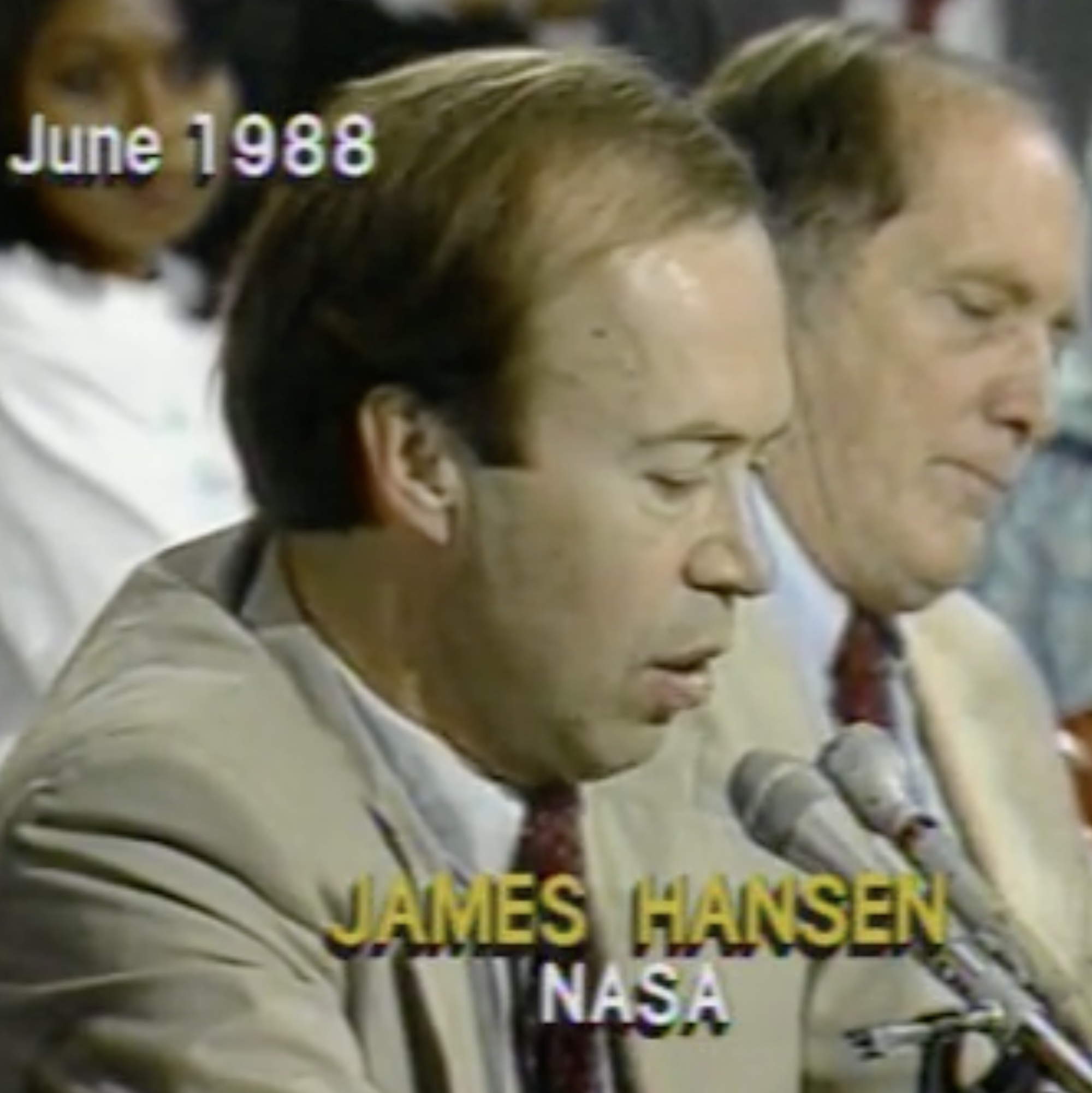 A NASA Scientist Explains Greenhouse Effect (1990)
 A Skeptic Criticizes the Theory of Climate Change (1997)
 The Impact of Rising Sea Levels on Coastal Cities (2018)
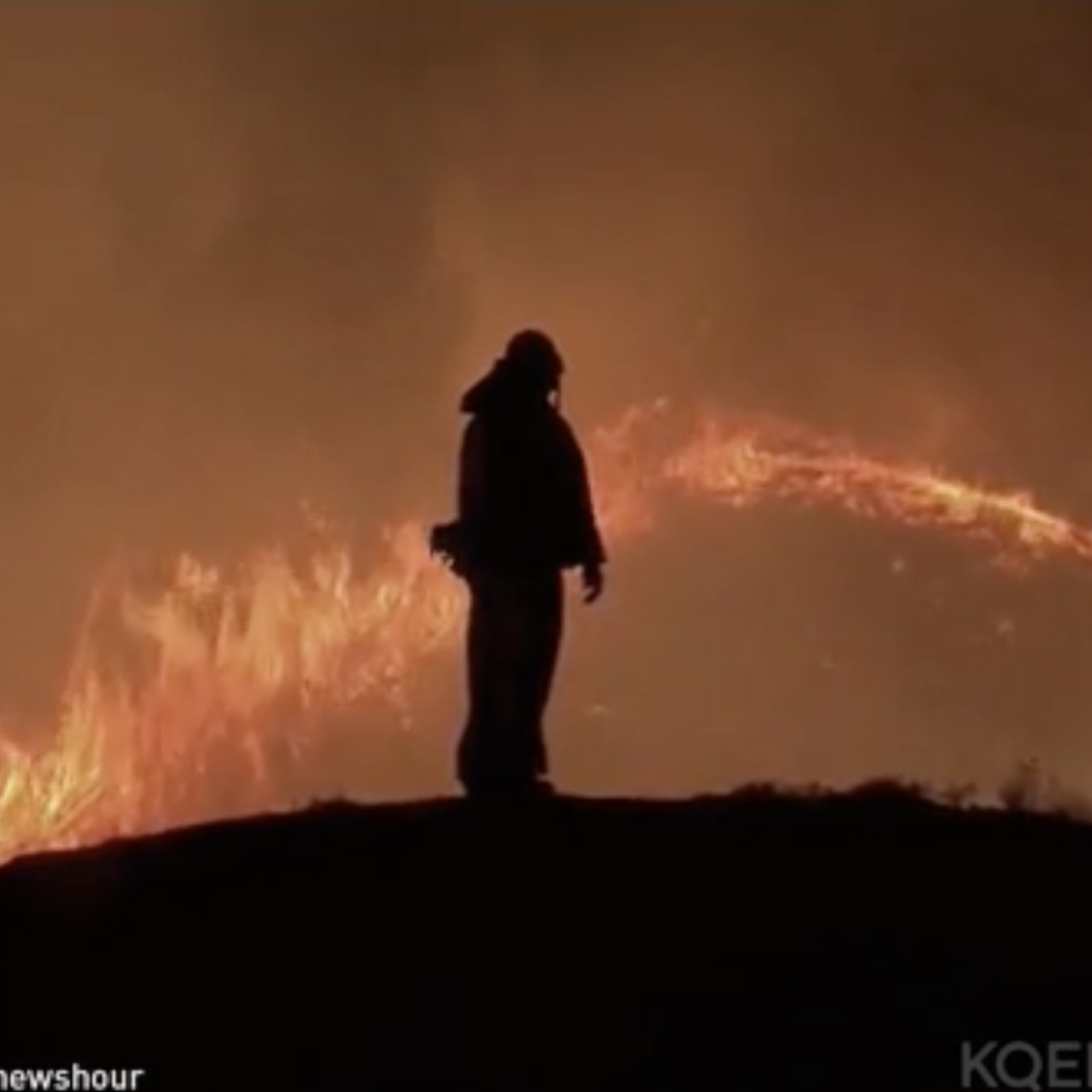 Climate Change and the Threat of Wildfires (2017)
 The Carbon Tax and Dividend Strategy to Address Climate Change (2010)
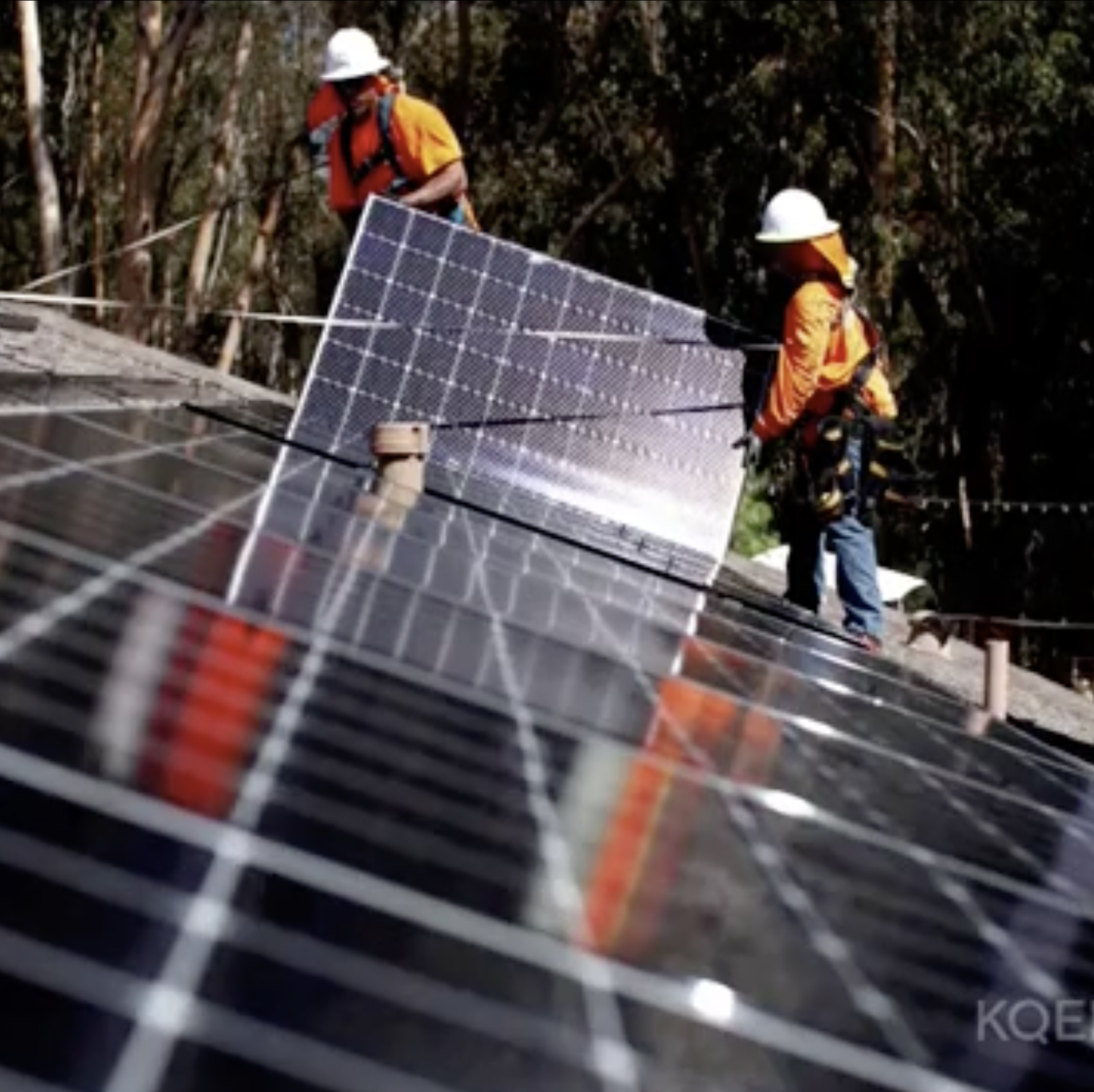 Encouraging Green Energy Adoption with Subsidies and Tax Breaks (2022)
 The Call for Profound Political Transformation to Stop Climate Change (2015)
 Imagining a Solution to Global Warming (1990)
 The Promise and Limits of the Kyoto Protocol (1997)
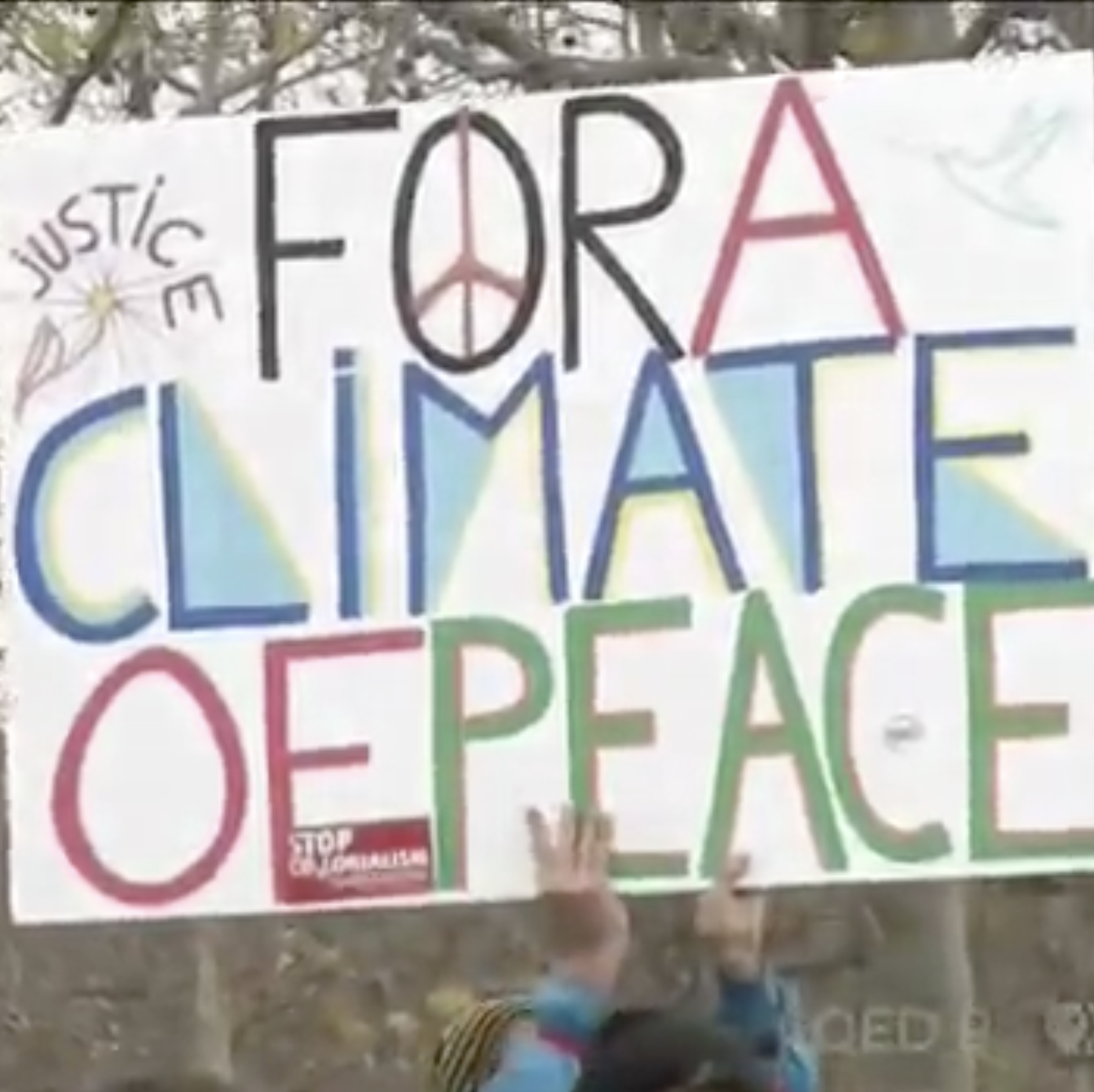 A Landmark International Agreement at the Paris Climate Conference (2015)
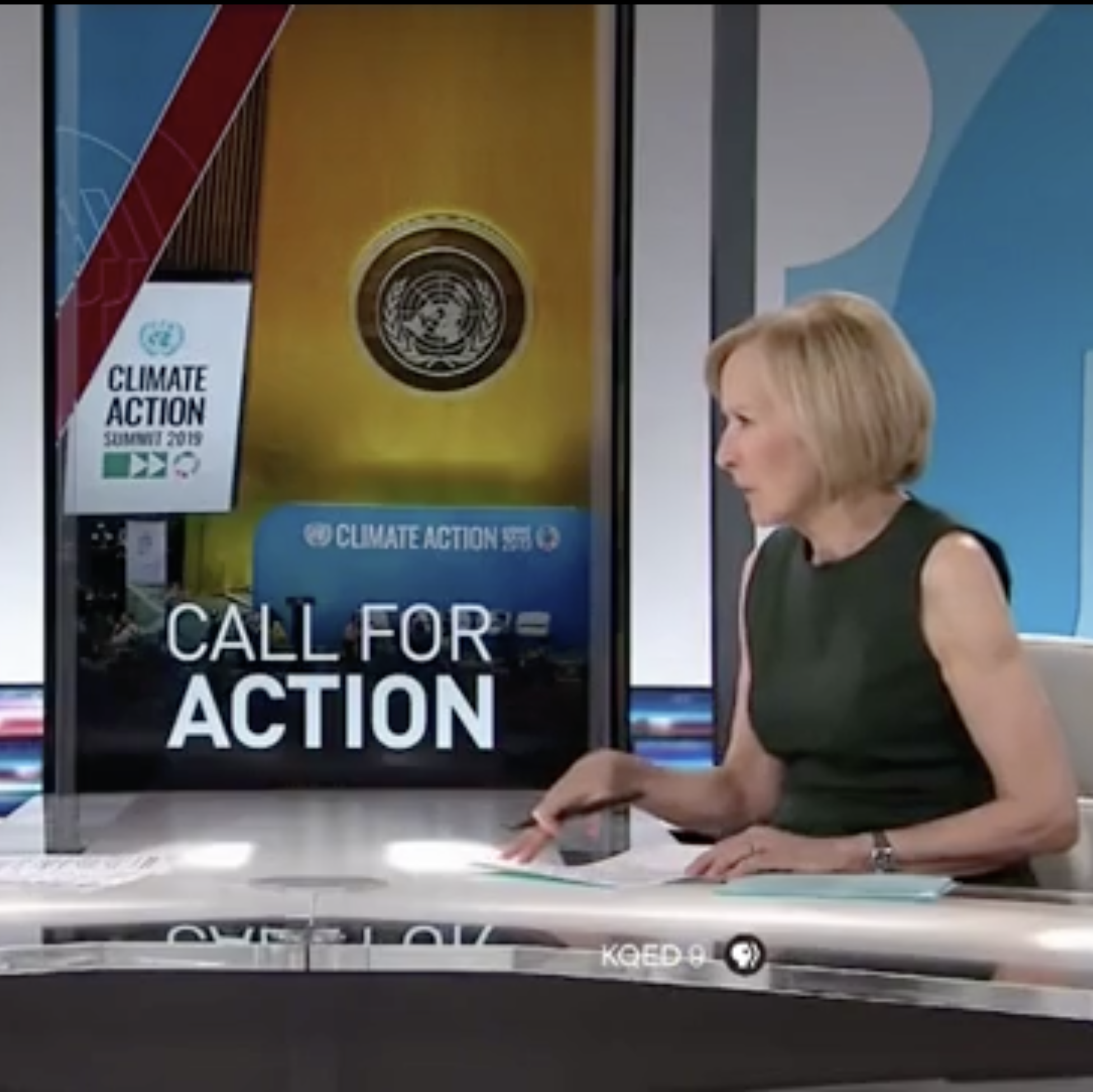 PBS NewsHour (2019)
