Imagining a Solution to Global Warming (1990)

Transcript
Hide -
It was on the UN agenda. Before it was hard to swallow but effective. It looked at the problem in terms of time. Stopping the greenhouse effect by cutting fossil fuel use dead. That would be economic suicide. But how could they take to do that. It would need an immediate Hoving the global carbon emissions from 6 Pridgin down to 3 billion tons a year for the next hundred years to hold the average global temperature rise to about 8 degrees by the 21:00 in 1994 at the UN delegates heard how that could be done. The total global carbon budget over the century to twenty one hundred would be three hundred billion tonnes. Split that 50 50 between the industrialized nations and the third world and then divide that out based on each country's average emissions say back in 1990 and the size of the adult population that
gave everybody a fixed share of carbon. And how long it took to use it up would depend on their rate of emission. That's when some people got a shock at her rate. Portugal for instance had 111 years worth. But even super efficient Japan only had 82 years left. The US would run out of her carbon emission rights in only 11 years. Look at Luxembourg and the rest of the industrialized world was in the same kind of trouble. The answer to this problem lay with the Third World. Large populations and lack of industry gave them tons of spare Koppen rights they didn't need. So third world countries with carbon rights they were never going to use could swap them with industrialized countries. Not for money but for things like reforestation programmes expertise and education programs alternative energy systems agricultural now and so on. And with this kind of deal everybody was a winner. The third world got to know how
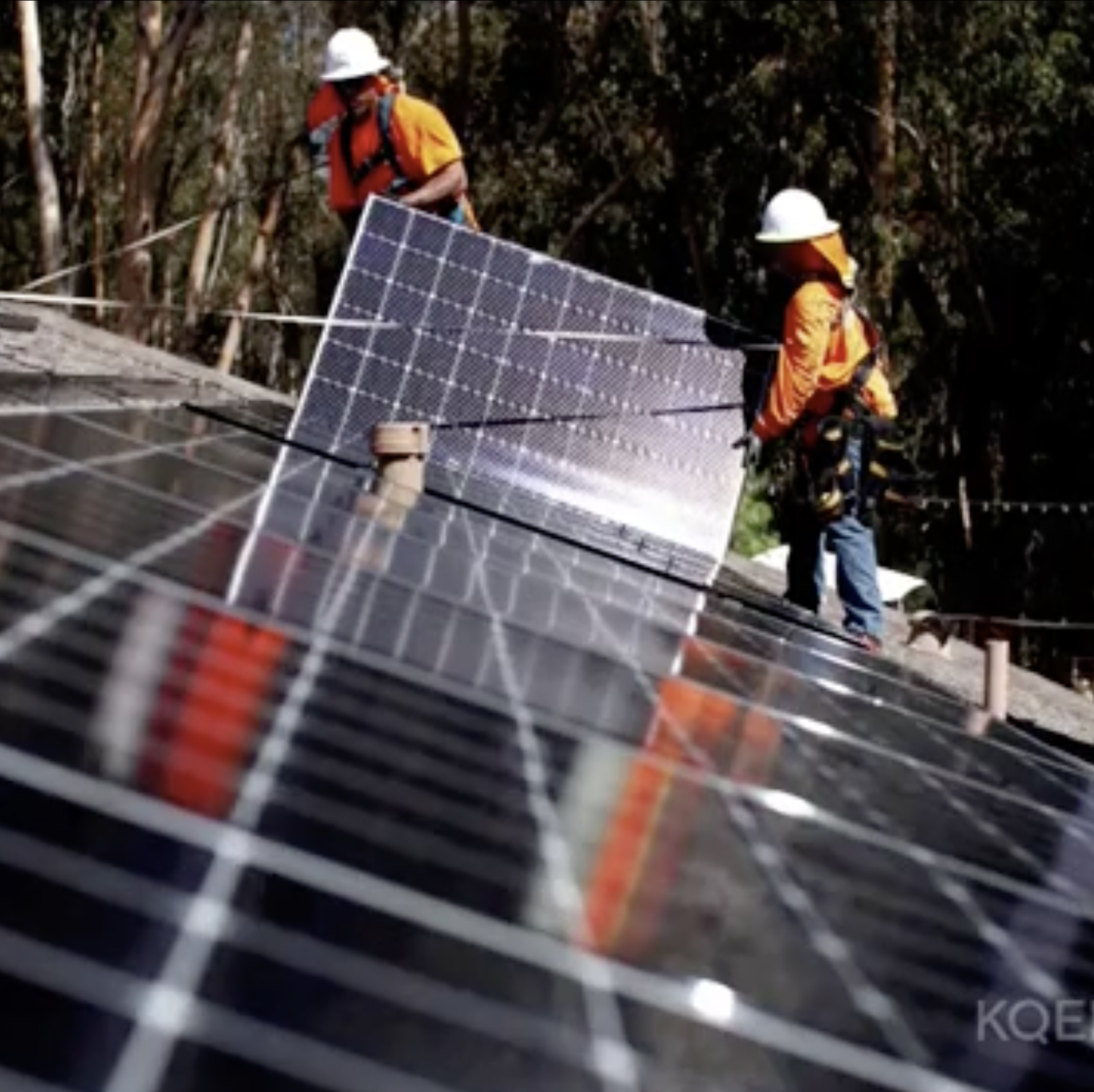
it could never otherwise have afforded and all the industrialized nations got the extra carbon emission rights they needed. In other words the industrial world bought time and the rest got the technology to leapfrog past fossil fuel use directly to the new generation of renewable energy systems and nobody broke the agreement nobody did business with them. So now you can have yourself a time table. The advanced nations cut emissions 75 percent by 2050 and the third world catches up with those levels by 2050. I mentioned meds. Here's the medicine to pay for a fund to help the Third World get started on this plan. Any time an industrialized country uses fossil fuel it pays an extra 6 percent tax into the fund. Well you can imagine how the first well-fitting here and the UN reacted to that proposition. But after all they were the people who created the greenhouse problem in the first place. So when did they
go for it. No no no. 2000. That. Decision until 2000 was actually seemed to trigger the beginning of a major change in the balance of power. And I suppose a long term change in lifestyle too because of the advantage the delay would give to the eastern Pacific Rim countries Taiwan South Korea Singapore and above all Japan. Meanwhile why did it take the international community for six years to make up its mind. Because most governments ignored the key fact. That the scientists had no doubt that the greenhouse effect would happen. They just didn't know exactly
when and exactly how much. But most of the world's politicians if you couldn't identify and quantify a problem you couldn't do anything about it. So most of them felt well to be fair some action was taken. Reports were written. From 1994 to 1996. A lot of talk happened. And then unfortunately reality intervened with a series of the worst droughts in living memory and the summer of 97 98. The effects were devastating. The problem was back then American grain fed most of the world and the Reserves usually lasted about 90 days. This time as the farmers began to fail the reserves went down to just 14. The price went up four
times. Third world markets went on the rampage. Thousands of deaths by rioting followed by hundreds of thousands of death by starvation.

Imagining a Solution to Global Warming (1990)

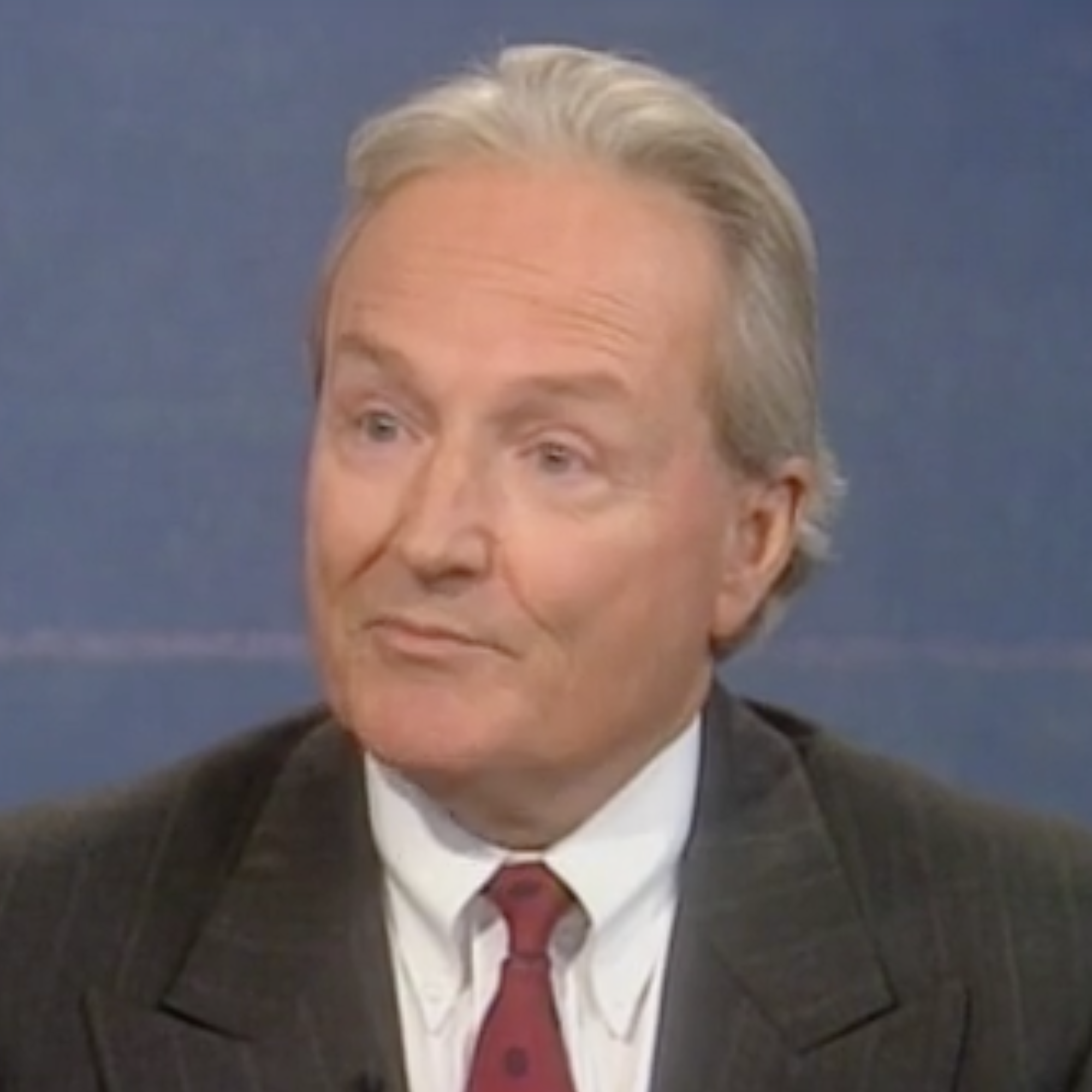
In 1990 Maryland Public Television aired After the Warming, a documentary with a novel premise. The conceit is that the documentary is created in 2050, looking back to understand how humanity ultimately developed political and technological strategies to solve the problem of climate change. In this excerpt, narrator James Burke explains the carbon tax and cap and trade strategy that was supposedly brokered by the United Nations around 2000 to prevent global warming (remember, the 1990 documentary was speculating about the future). After the Warming acknowledges the difficulty of countries mustering the political will to arrive at such an agreement. The film explains that it took an ecological crisis—a series of droughts in the late 1990s that led to widespread starvation and political unrest—to force the issue. Real history would play out differently, as the global treaties hammered out at international summits in the 21st century proved to be less impactful (and less binding on participants) than the one imagined in the documentary. Nevertheless, After the Warming provides a fascinating insight into the strategies and hopes of climate change reformers of the late 20th century.

After the Warming | Maryland Public Television (Television station : Maryland, M.D.) | September 30, 1990 This video clip and associated transcript appear from 1:07:37 - 1:12:50 in the full record.

View Full Record