The Promise and Limits of the Kyoto Protocol (1997)
The Kyoto Protocol—the agreement established at the 1997 climate conference in Kyoto, Japan—marked the most significant international effort tackling climate change up to that point in history. As this report from The NewsHour with Jim Lehrer explains, dozens of nations and the European Union agreed to establish a cap and trade system. First, the Protocol established greenhouse gas emissions reduction targets for each country (caps). Then, countries that emitted less than their targets could sell excess emissions credits to other countries (trades). Countries could also receive credits for funding renewable energy projects in other countries. As you can see in the excerpt, there were concerns about whether the Kyoto Protocol would successfully achieve desired goals: Were there sufficient penalties for countries who missed their targets? Since developing countries were held to a less stringent standard than developed countries, would the industrial growth of countries like China and India undermine the goal of reducing global emissions? And, as indicated by the clip, it was unclear whether the Clinton administration would submit the Kyoto Protocol to the U.S. Senate for ratification. Indeed, the U.S. never formally entered the agreement because it failed to get majority support in the Senate. Many senators thought that participation would damage the economy and that it was unfair that developing countries did not have binding emissions targets.
The NewsHour with Jim Lehrer | NewsHour Productions (Television station : Washington, D.C..) | December 11, 1997 This video clip and associated transcript appear from 7:30 - 11:20 in the full record.
View Full Record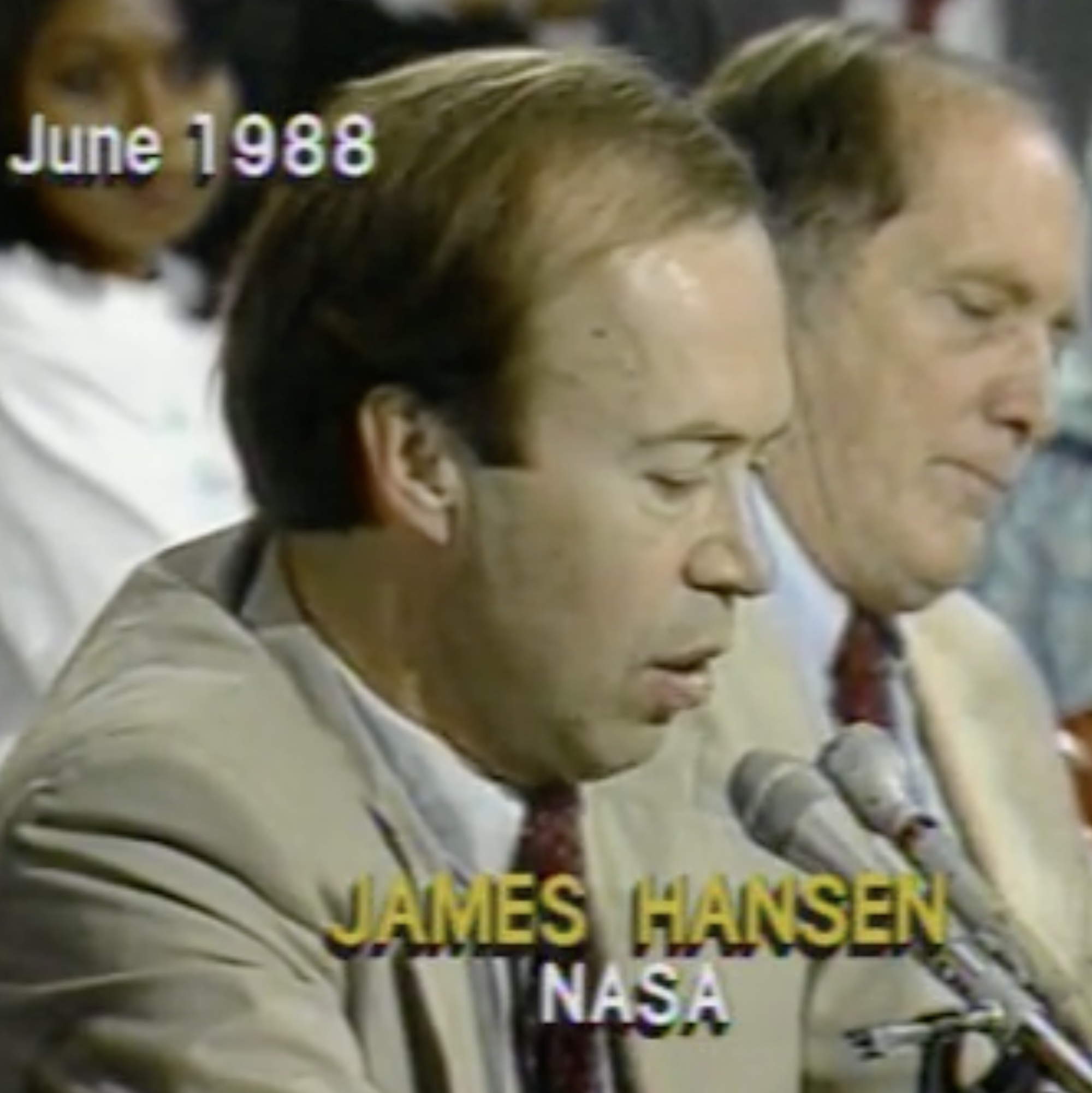 A NASA Scientist Explains Greenhouse Effect (1990)
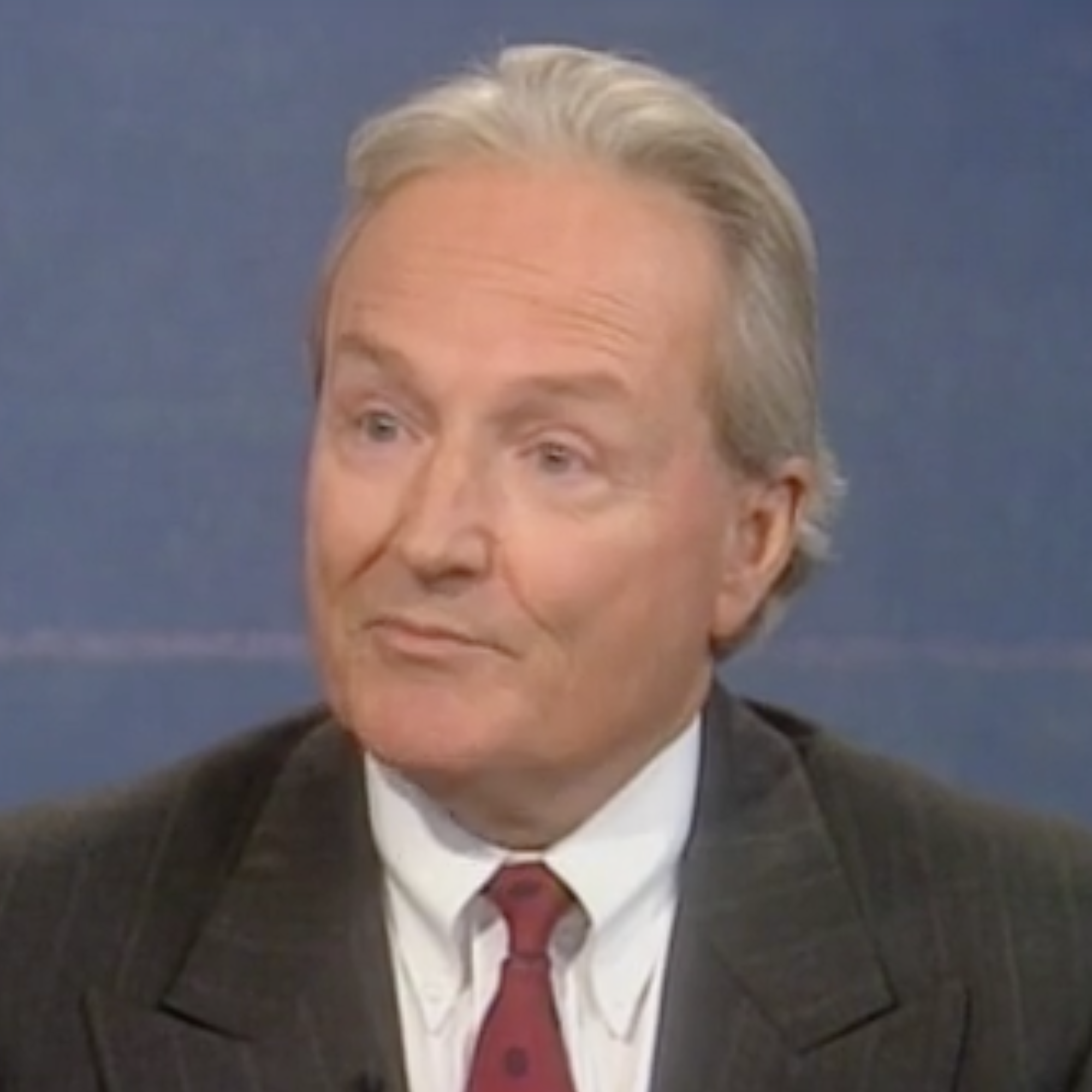 A Skeptic Criticizes the Theory of Climate Change (1997)
 The Impact of Rising Sea Levels on Coastal Cities (2018)
 Climate Change and the Threat of Wildfires (2017)
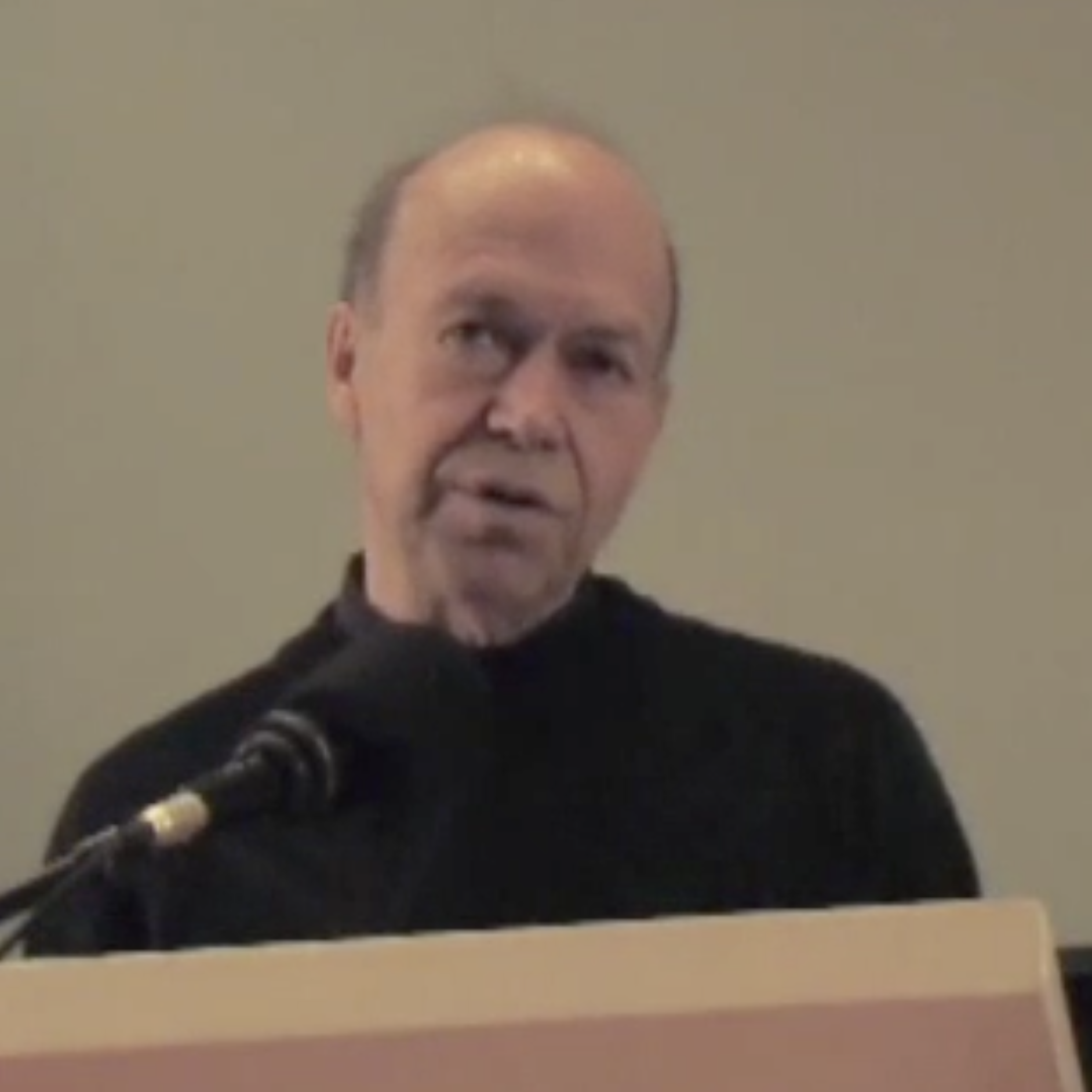 The Carbon Tax and Dividend Strategy to Address Climate Change (2010)
 Encouraging Green Energy Adoption with Subsidies and Tax Breaks (2022)
 The Call for Profound Political Transformation to Stop Climate Change (2015)
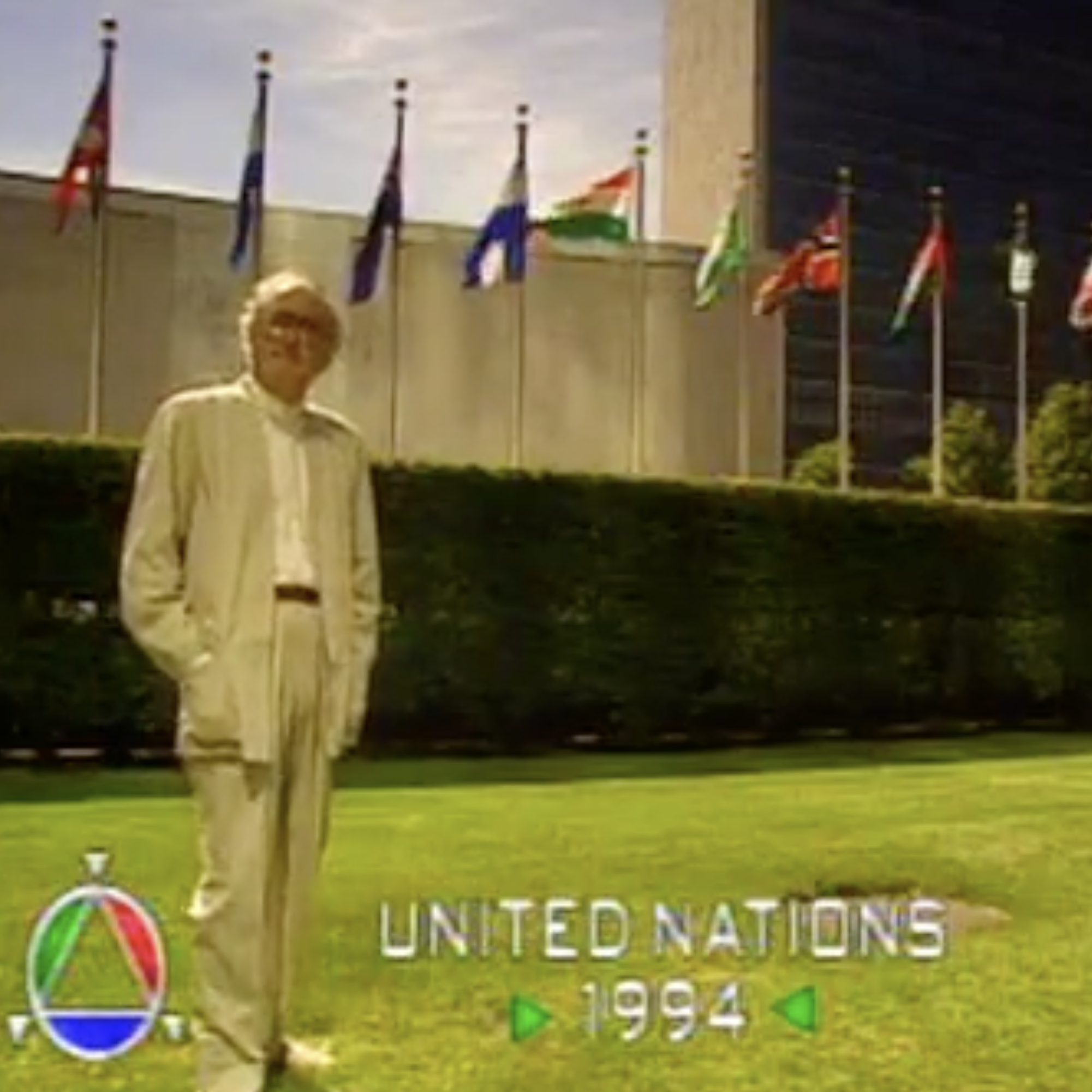 Imagining a Solution to Global Warming (1990)
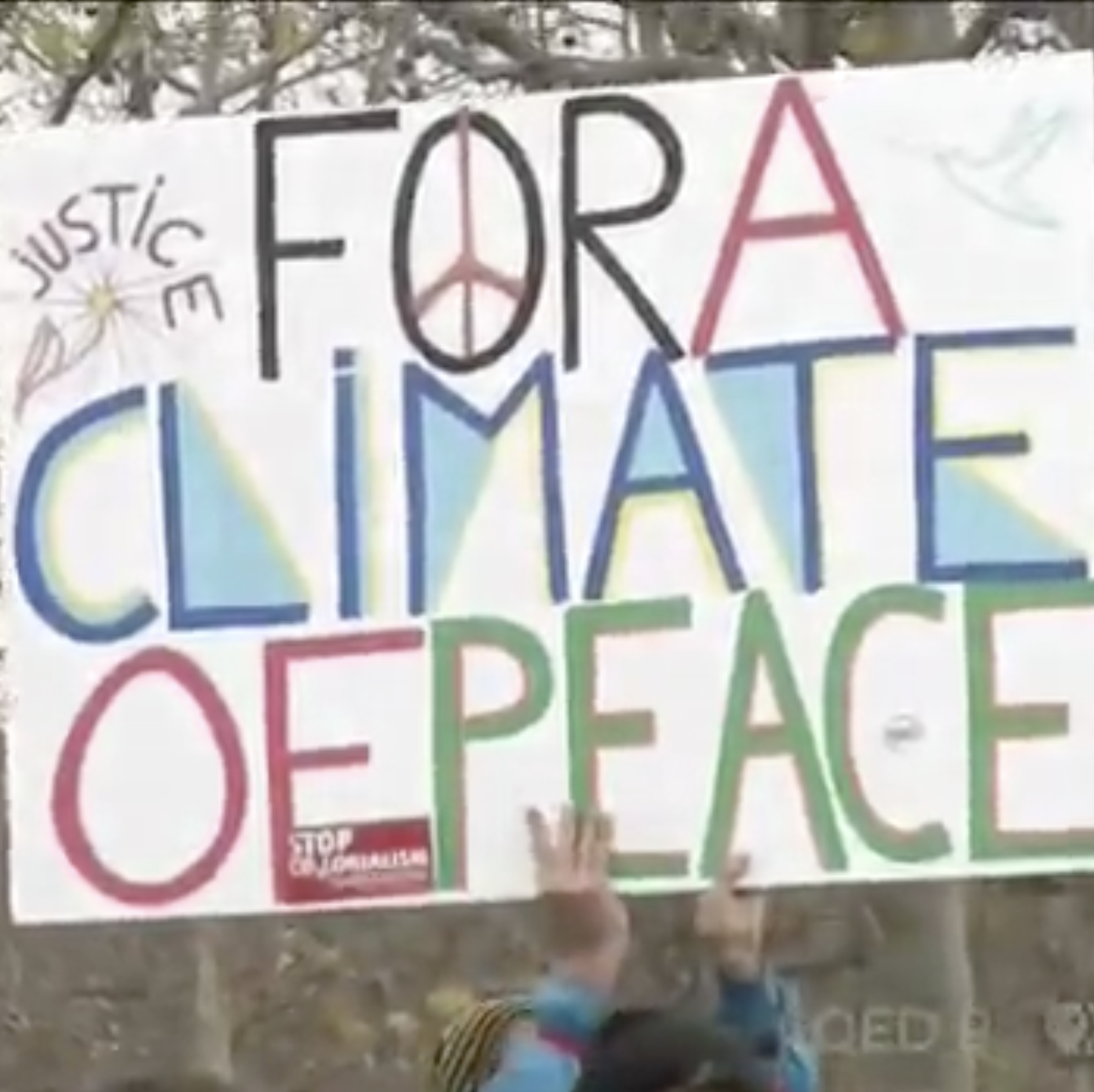 A Landmark International Agreement at the Paris Climate Conference (2015)
 PBS NewsHour (2019)