Middle Class Exodus to the Suburbs (1966)
In the decades after World War II, the population of suburban areas more than doubled while the population of central cities shrank. Many of the new suburbanites were members of a growing white middle class who had grown up in cities but chose to buy their own home and raise their family in the suburbs. These affluent suburbanites may still have worked in cities, but their homes and much of their spending were in the suburbs (along with the associated property and sales tax revenue). Notably, formal and informal mechanisms–such as restrictive covenants that banned sale to people of color; zoning laws that effectively excluded poor people; and informal, discriminatory real estate broker practices–kept the suburbs nearly all white. Those who remained in the cities were disproportionately likely to be poorer people of color, often living in slums, and thus were the most in need of the social services that city governments were increasingly ill-equipped to provide.
The clip, from a 1966 episode of Local Issues called “To Save a City” produced by WMVS in Milwaukee, illuminates the crucial role of the automobile and the growth of the highway system in facilitating this suburbanization; the prototypical suburban father drove into work on government-constructed freeways connecting the city and suburbs. The video clip illuminates a trend about Milwaukee that was emblematic of the country as a whole: Even while the U.S. economy thrived in the 1950s and 1960s, slum conditions prevailed in significant portions of American cities.
Local Issue; 19; To Save a City | WMVS (Television station : Milwaukee, Wis.) | August 7, 1966 This video clip and associated transcript appear from 9:30 - 12:00 in the full record.
View Full Record The Struggles of the Auto Industry (1980)
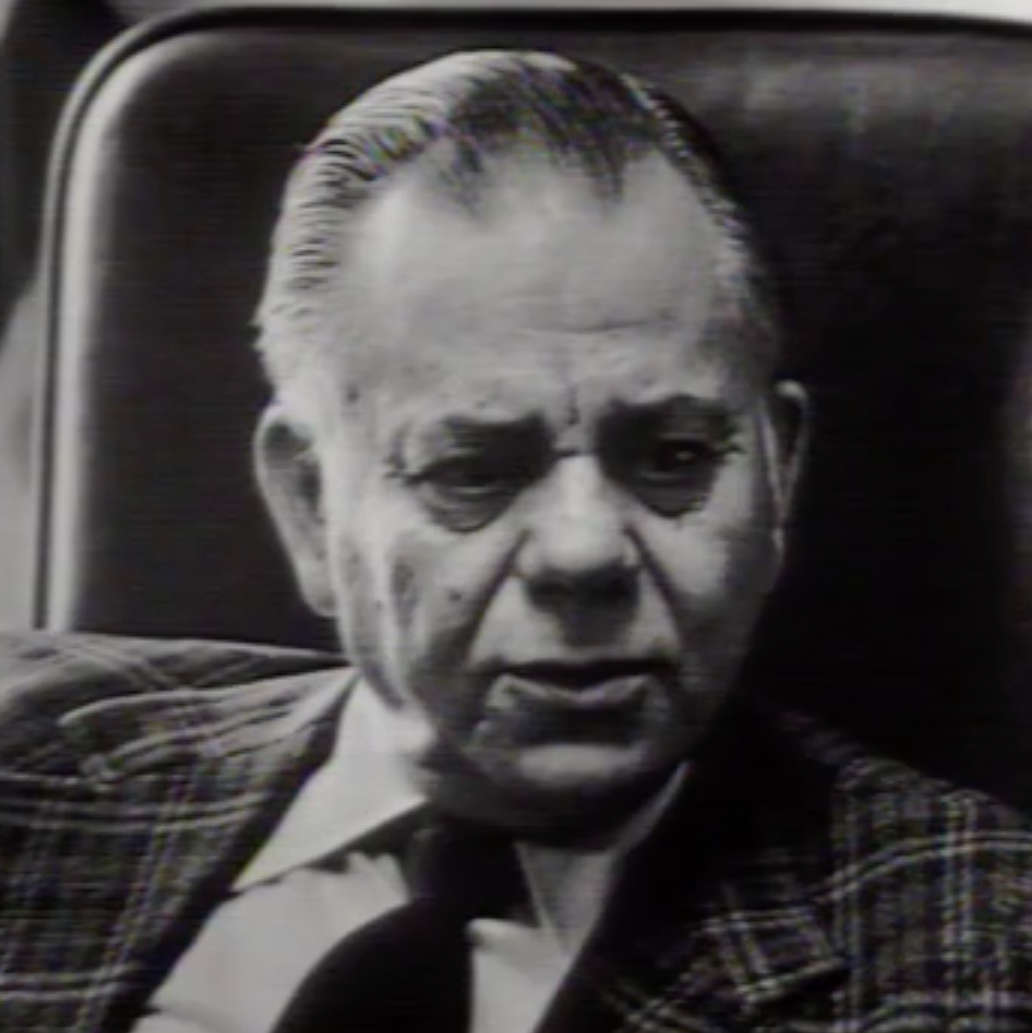 The Domino Effect of Plant Closures in the Rust Belt (1978)
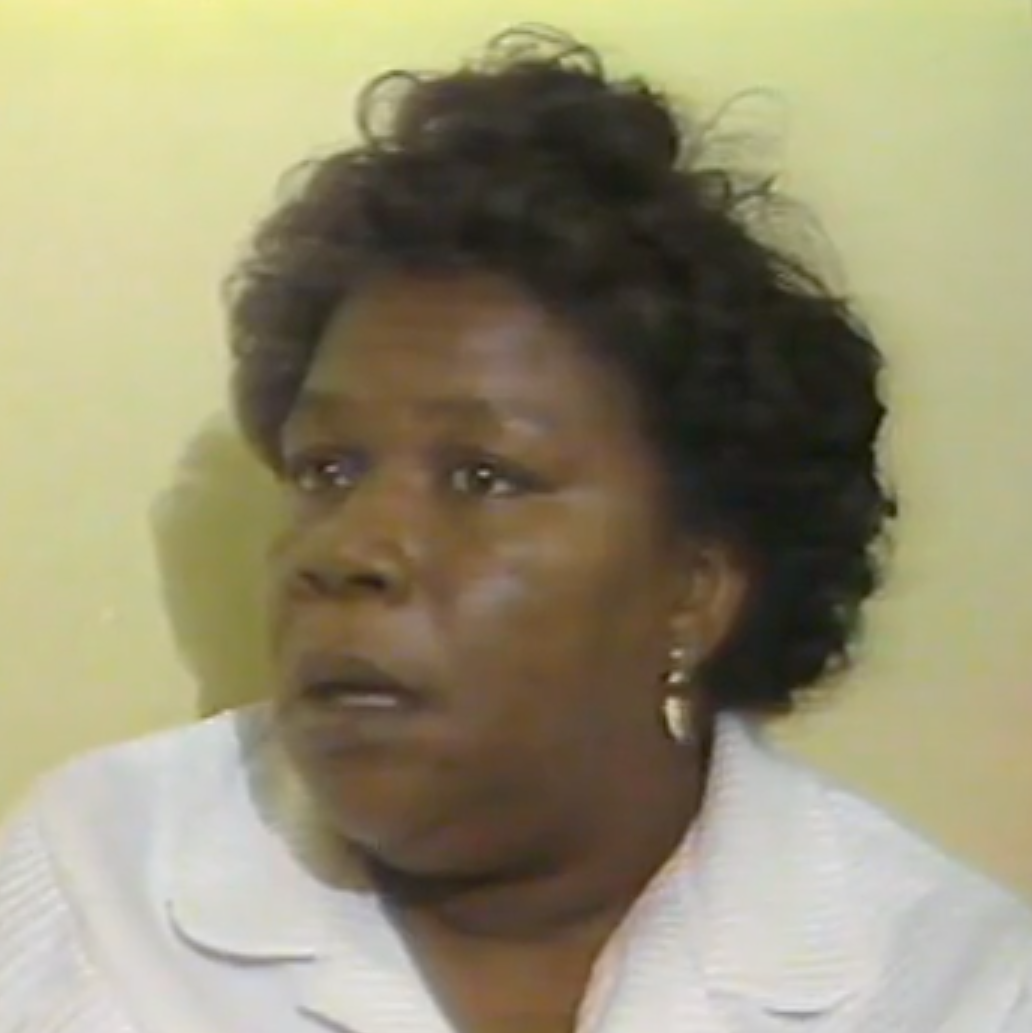 Joblessness and Lack of Opportunity for Black Urban Youth (1983)
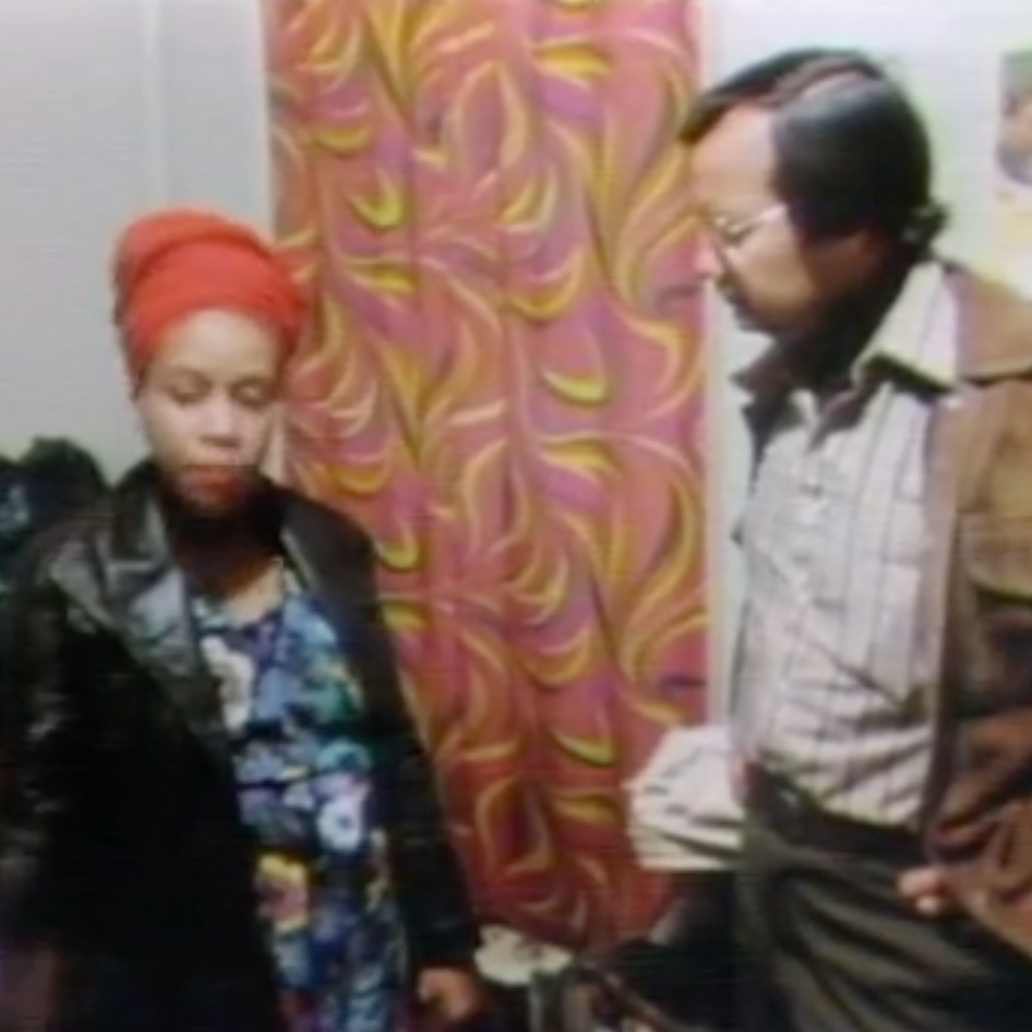 Urban Decay in the South Bronx (1980)
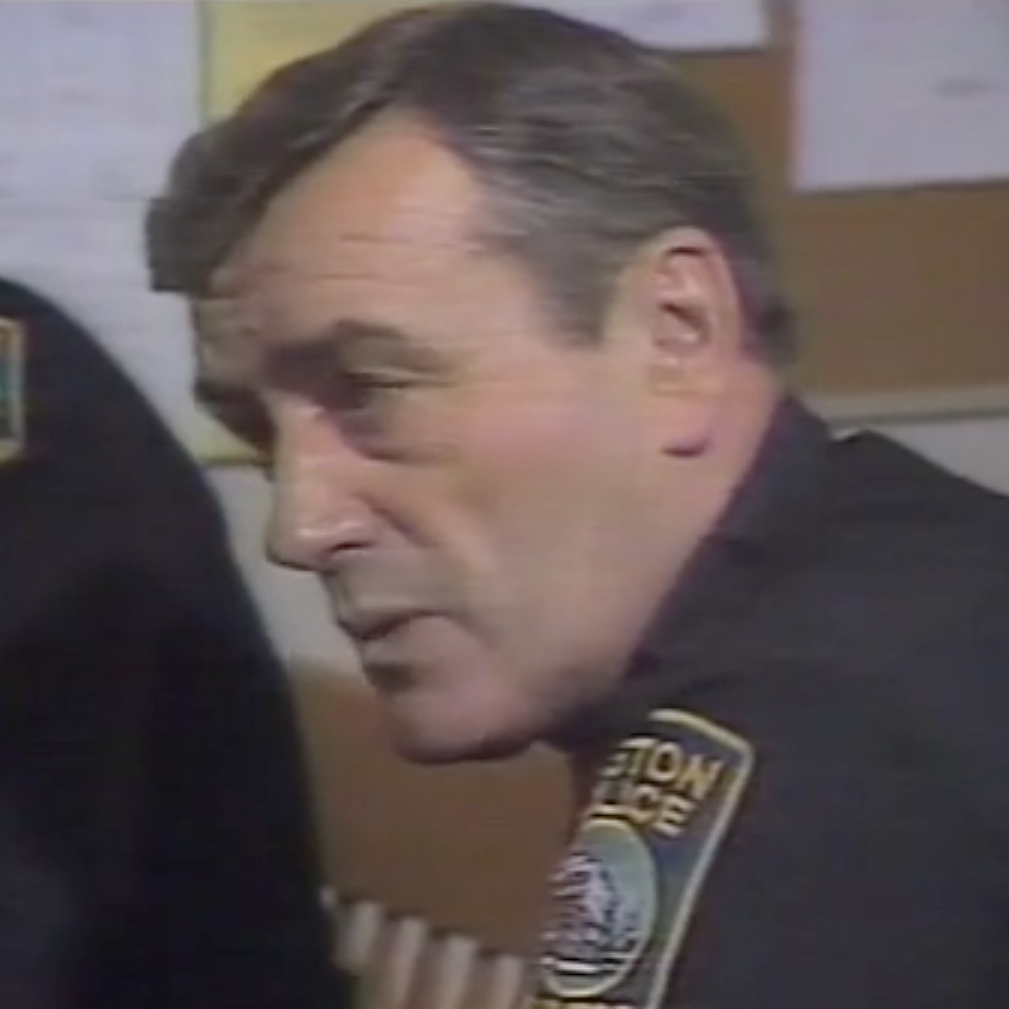 Crisis in Urban Housing Projects (1978)
 Fear of Crime in American Cities (1979)
 Political Backlash Against Crime in Newark (1979)
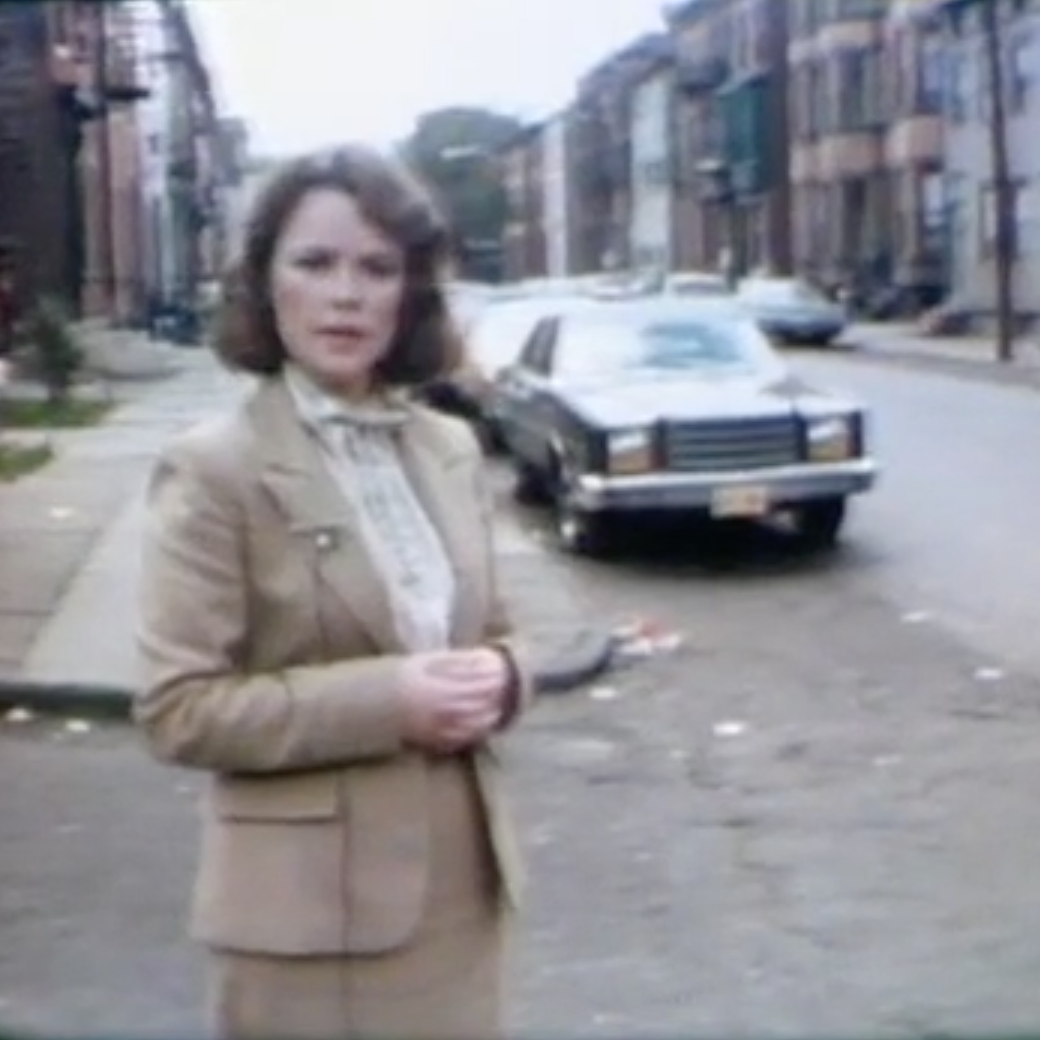 Stopping the “Vicious Cycle” of Suburban Flight (1978)
 The “Local Control” Argument Against Aid to Cities (1977)
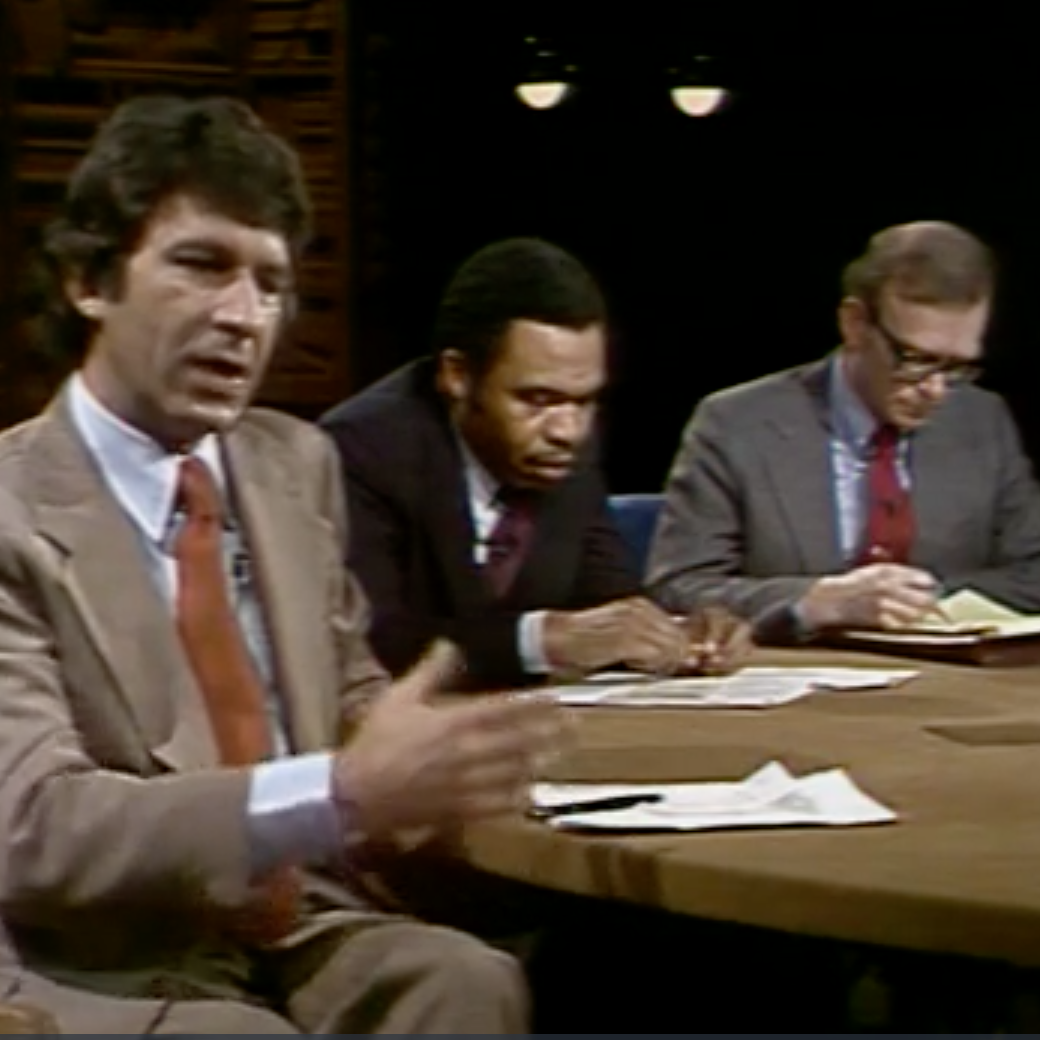 Debating Aid to Struggling Cities (1978)
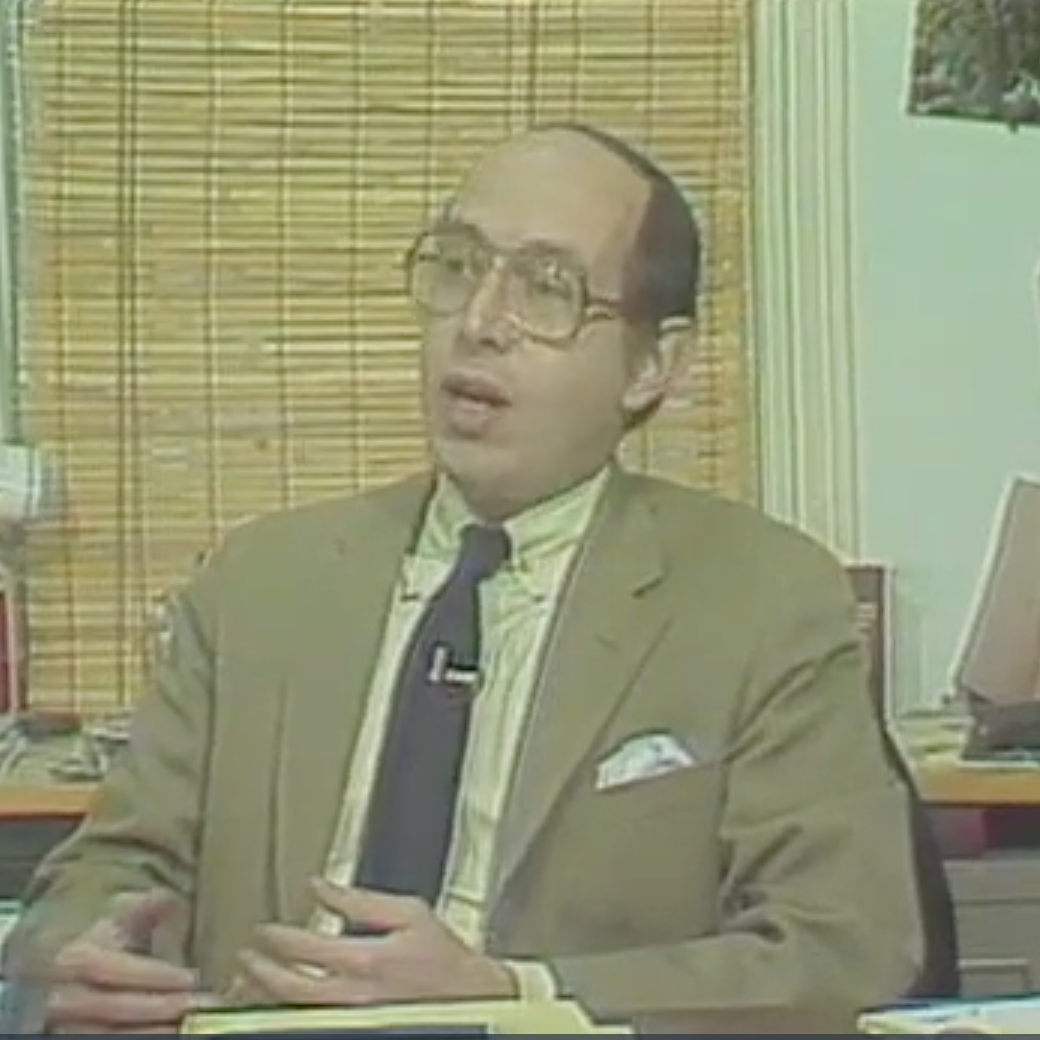 The Political Challenge of Reviving New Jersey’s Cities (1982)