<v Sandra King>or easily fixed or even much affected by the upturn in the economy. <v Fred Murphy>Majority of us are not working, you know, we just out here statistic. <v Sandra King>The statistics are grim, despite the overall drop in unemployment, the <v Sandra King>rate for young people remains high, close to 20 percent. <v Sandra King>And for young black men in a place like Newark, the numbers are staggering. <v Sandra King>At least one of every two with no job and few prospects. <v Don Young>Right around the projects out of work. <v Don Young>I would say about 85 percent, any other percentage would be underemployed. <v Fred Murphy>When I go to interview, I dress very neatly. <v Fred Murphy>I carry myself in a respectful manner. <v Fred Murphy>And I do. I think I do everything that's needed to get a job. <v Fred Murphy>I don't know why I don't get it. <v Sandra King>Fred Murphy has been asking why since his high school graduation more than three years <v Sandra King>ago, there he'd been a success. <v Sandra King>Football, class president, good grades, hopes of getting out of the poverty
<v Sandra King>pocket called Hayes Homes. <v Sandra King>But the only work he's found is back here in the projects, and that is only part time. <v Fred Murphy>That they take out one hundred thirty eight dollars every two weeks. <v Fred Murphy>Give my mother some money. <v Fred Murphy>She's my backbone, and hope I have enough money to buy me a pair pants and <v Fred Murphy>wait till the next payday. <v Fred Murphy>That's it. <v Julian Bond>The Unemployment among this group is frighteningly high. <v Julian Bond>There are people who simply don't want to hire a black person, particularly a black <v Julian Bond>youth. It happens because this group of people tend to be semi <v Julian Bond>or unskilled. They're not able to perform some of the tasks that industry is demanding <v Julian Bond>them to perform. And some of them come to the market with very, very poor educational <v Julian Bond>skills. <v Dr. Donald Scarry>Most of the jobs that become available in our urban areas are not jobs <v Dr. Donald Scarry>with long run future growth linkages. <v Dr. Donald Scarry>Some of them tend to be dead end jobs so that the <v Dr. Donald Scarry>urban youth have to be even more flexible. <v Alan Reynolds>It isn't the case that 40 percent of the 60 or whatever the number
<v Alan Reynolds>is, are unemployed for their entire teenage period. <v Alan Reynolds>They have job experiences. They don't have a stable job experiences, and in some cases <v Alan Reynolds>they don't want them. In many cases, it's it's a fairly voluntary lifestyle. <v Sandra King>But Anthony Brown insists there's nothing voluntary about his lifestyle. <v Sandra King>He, too, lives in the Hayes Homes project, and he, too, still has no full <v Sandra King>time job. More than four years after his graduation. <v Anthony Brown>That makes me think that I'm a bad individual. <v Anthony Brown>I did something bad, but I know I haven't. <v Anthony Brown>I look at myself in the mirror and I say, hey, it's time to get something together. <v Anthony Brown>I want a little money in my pocket for I can spend on certain things, buy me some nice <v Anthony Brown>clothes. Go out when I want to. <v Anthony Brown>Give things to people who give to me. <v Sandra King>Anthony's mother does work, but only five hours a day at less than five <v Sandra King>dollars an hour. It's all that she can find to support her family <v Sandra King>while she worries about her son.
<v Dolores Brown>I don't know whether he's just given up or what, because at one point he <v Dolores Brown>really was trying. He'd be up in the morning. <v Dolores Brown>Sometimes he'd pack a little sandwich and put in his pocket and go and <v Dolores Brown>he's not lazy. That's what I, you know, he's not lazy. <v Dolores Brown>If he had a job, he would work at it. <v Anthony Brown>Eventually, something good is gonna come along, and when it does I'll be happy to stay <v Anthony Brown>with it for the rest of my life. <v Sandra King>You're still looking? <v Anthony Brown>Oh, yes. <v Sandra King>Anthony did pass through a job training course. <v Sandra King>They taught him painting, what they didn't supply was job placement and he passed <v Sandra King>the firemen's exam. But in Newark, they are not hiring firefighters. <v Sandra King>They're laying them off. <v Sen. Frank Lautenberg>You find young people, 40, 50 percent of unemployed, can't get <v Sen. Frank Lautenberg>jobs, want to work. <v Sen. Frank Lautenberg>You can't tell that if you live in some parts of New Jersey that there are any problems. <v Sandra King>But in parts like Camden, youth unemployment is a brutal fact of life. <v Sandra King>It comes with the territory, the slums, the boarded up buildings are the ones <v Sandra King>active plants long since abandoned.
<v Melvin Primus>They're not finding those entry level positions. <v Melvin Primus>Those labor positions and basically the blue collar positions that once <v Melvin Primus>was Camden's fame. <v Melvin Primus>This has always been a blue collar town with a number of production jobs. <v Melvin Primus>They just don't exist anymore. <v Sandra King>And not just in Camden. <v Sandra King>The state's worst unemployment is in Cumberland County. <v Sandra King>Jobs there are hard to find. <v Sandra King>But business is always booming on the Vineland unemployment line. <v Sandra King>The jobless problem there is not down. <v Sandra King>It comes in all colors. <v Sandra King>And just like in Newark, it is highest among kids. <v Sandra King>But the numbers for young whites, even in Vineland, don't come close to those for young
 Middle Class Exodus to the Suburbs (1966)
 The Struggles of the Auto Industry (1980)
 The Domino Effect of Plant Closures in the Rust Belt (1978)
 Urban Decay in the South Bronx (1980)
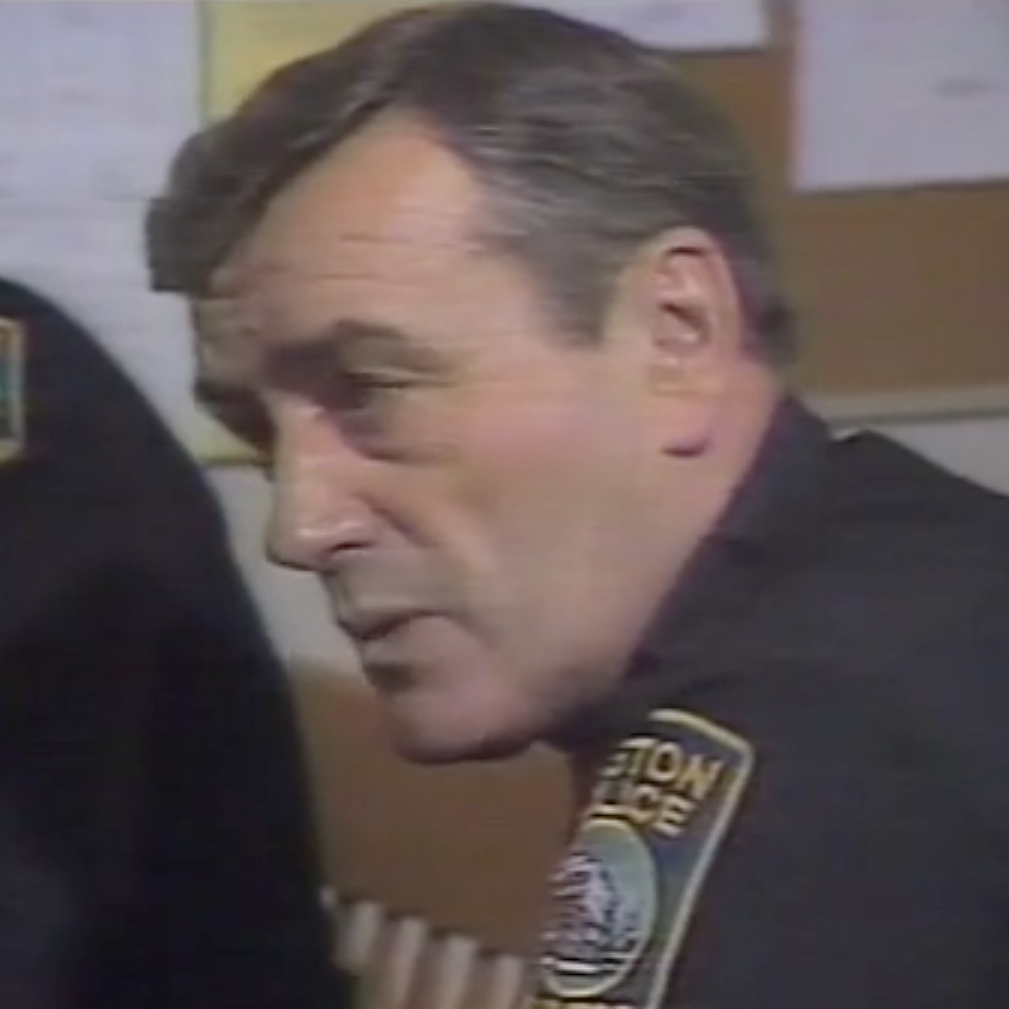 Crisis in Urban Housing Projects (1978)
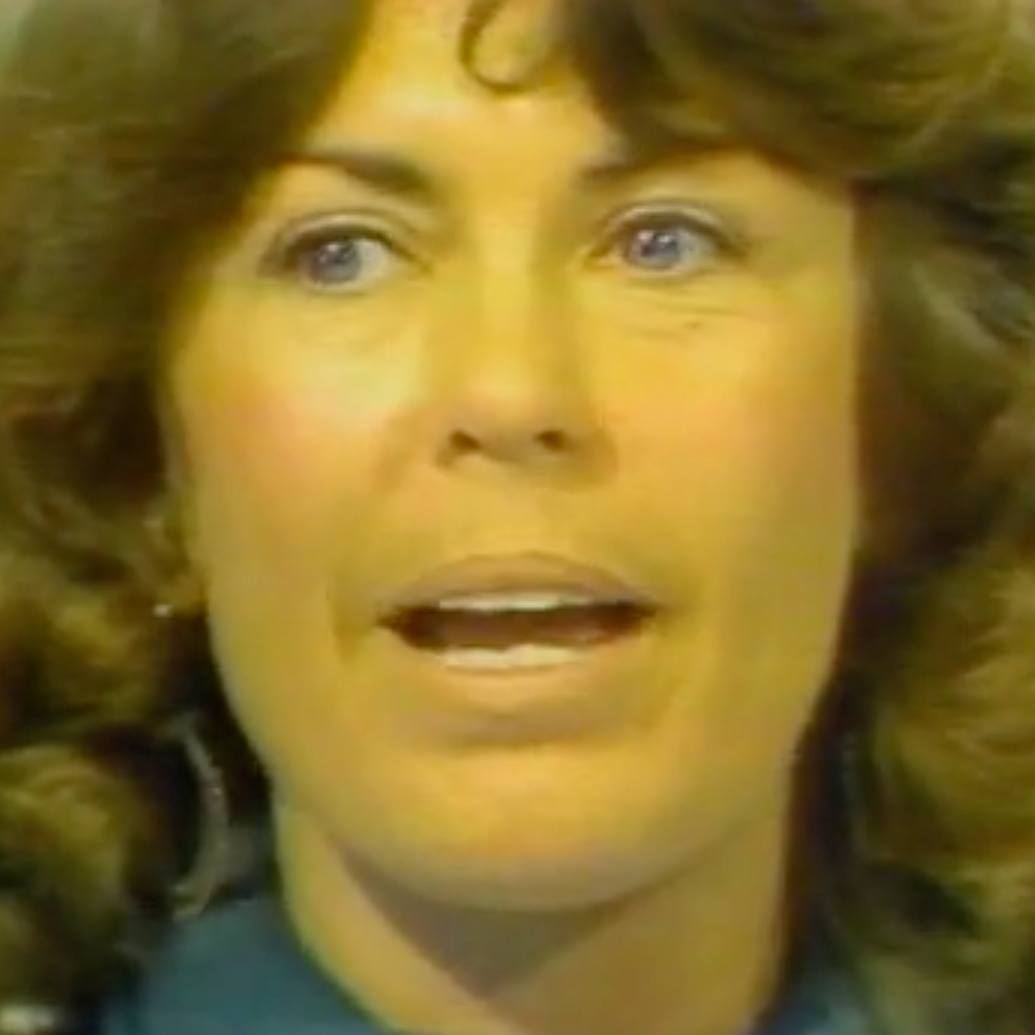 Fear of Crime in American Cities (1979)
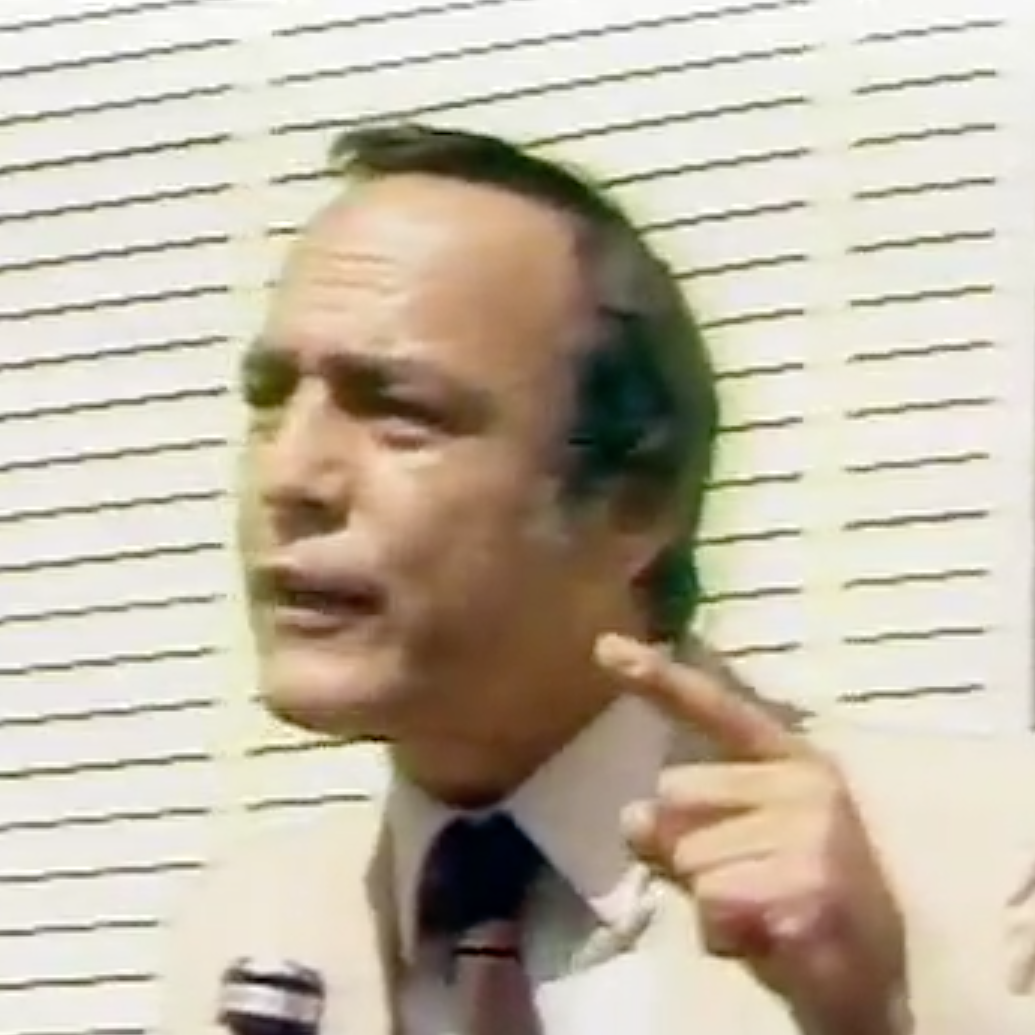 Political Backlash Against Crime in Newark (1979)
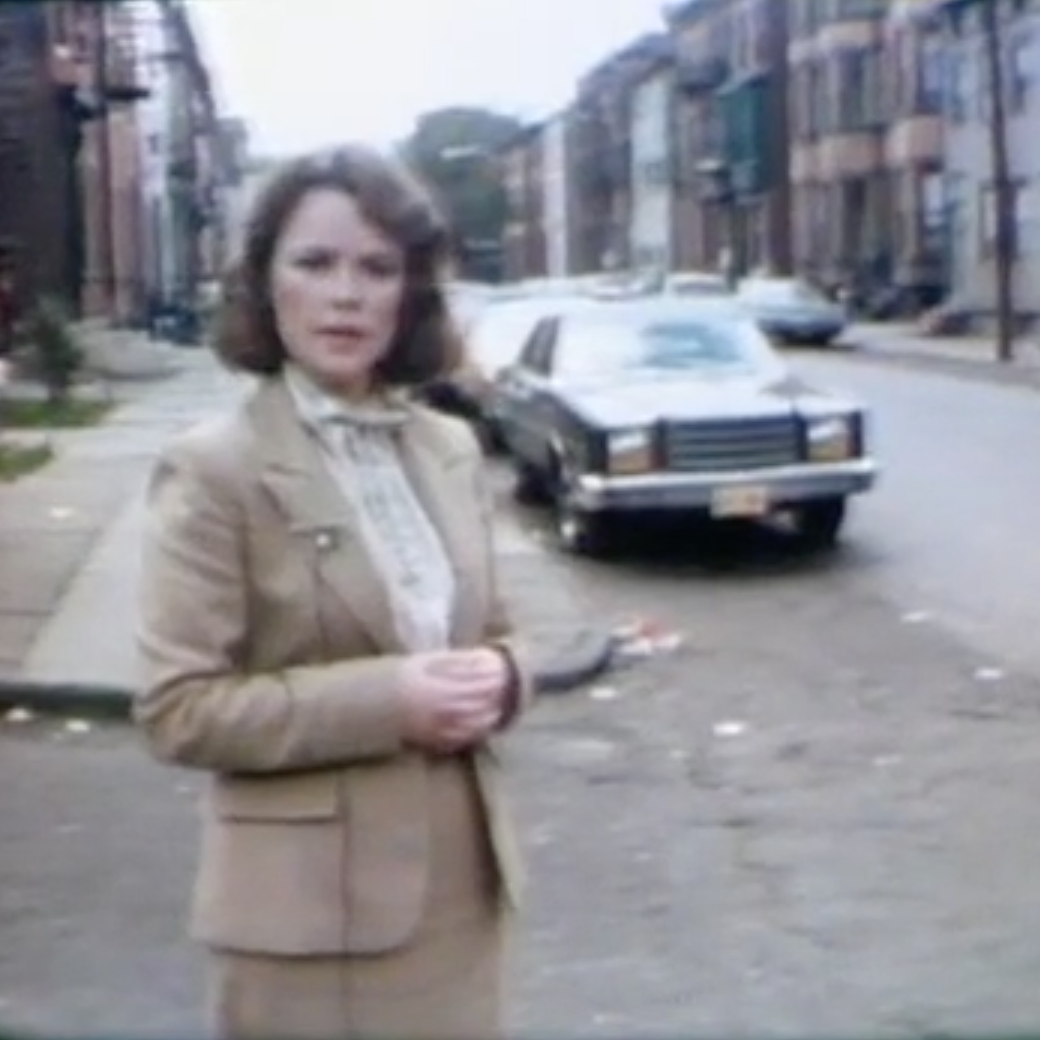 Stopping the “Vicious Cycle” of Suburban Flight (1978)
 The “Local Control” Argument Against Aid to Cities (1977)
 Debating Aid to Struggling Cities (1978)
 The Political Challenge of Reviving New Jersey’s Cities (1982)