The Political Challenge of Reviving New Jersey’s Cities (1982)

Transcript
Hide -
Prospect but I was wrong to suggest it. From a dollars and cents standpoint the Burne administration's contributions to New Jersey's urban areas have been sizable since 1974 the state has provided cities with more than four hundred fifteen million dollars in direct urban aid and through the safe and clean streets program. Almost all of the eight hundred forty five million in mortgage aid provided by the State Housing Finance Agency since 1974 has been used to help construct 20000 new urban housing units. Although the agency was rocked by scandal in 1980 when investigations revealed the funds had been misused the construction of housing units came in a time when senior citizens and low income families needed decent housing more than ever. The massive private development of Atlantic City's boardwalk is an example of how changes in state laws in this case the legalization of casino gambling can foster urban revitalization. But critics claim that little of the new money has trickle down past the boardwalk and into the city's poor
neighborhoods. Many of the new jobs created by casino gambling have been taken by people from outside Atlantic City and the city's housing stock continues to deteriorate. Other critics say Governor Burns commitment to New Jersey cities has at times wavered. The Hackensack meadow lands under state zoning jurisdiction is slated to become the site of a massive retail shopping mall. Opponents claim it will invariably harm perhaps kill the shopping districts and surrounding older communities leading in turn to deterioration and blight staff members at the Hackensack Meadowlands Development Commission and the governor's office reject those notions. Another sensitive issue is the amount of foreign trade zone a project that will bring 2000 new jobs to New Jersey. The trade zone is being built in a rural area of Morris County not in an area of high unemployment like Newark. The problem some say is that while the brown administration said it wanted to help it didn't know what to do. The problems with cities are fundamental to a very deep very hard the sad. And
the kind of approach that the brunt of ministration took which was to try to at least cut half of the ballots out of the cities and into the suburbs. Many enemies every time you took a step to implement that kind of move to actually do it with a practical application of a development. There are many incentives to the administration not to go ahead and do that. And in fact much of the progress seen on the urban front since 1974 has come not because of action by the Byrne administration but because of the actions of private interests in Newark the initiation for construction of new office towers like the company headquarters for public service electric and gas came from private businesses. New Brunswick has been luckier than most other New Jersey cities. Johnson and Johnson calls it home and has decided to spend 50 million dollars to stay there. A decision that is transforming the city's downtown area. But if New Brunswick is more
fortunate than other cities Camden must be the state's hard luck town split by the construction of an interstate highway decimated by urban blight urban flight a shrinking tax base and unsound financial practices by former administrations. Camden had to be rescued by the state which imposed strict fiscal restraints. In return Camden excepted the new state prison plan that no other city would take. They're not as visible as new buildings and clean streets. Some initiatives by the Byrne administration have helped other cities survive. I mean the governor can do however with having made some positive have a positive impact on the go to for a while income tax. And I made a big difference with the second film used to qualify bond program.
Construction. The current administration also tried to install a sense of fiscal integrity in municipal budgets since 1977 the spending of all municipalities counties and the state itself has been capped by controversy a law restricting budget growth the capital holds down increases in municipal spending to 5 percent a year and has forced cities to rethink the way they do business. Most people don't judge cities by the kinds of appealable standards government planners use instead of statistics or changes in overall patterns of development. It's the quality of life that's important to the average person. It's the way a city looks and how it feels to travel at it. Using this much more subjective index it's easy to see why there is a general feeling that New Jersey cities after eight years of Brendan Byrne are still in deep trouble. Crime still is perceived as a major problem compounded by cutbacks in police protection and other city
services due in part to the Reagan administration's budget slashing urban schools are seen as expensive failures despite an upswing in test scores on state and ministered minimum basic skills tests. The problems facing New Jersey cities are so big and so complex that perhaps it's unrealistic to think that any one governor can turn the situation around. Changes can take if you focus on those kinds of resources and suffer the political consequences. But that's not totally popular 100 percent popular. You have to make difficult decisions. Still the people who live work and shop in urban centers which accounts for nearly all of New Jersey seven million residents expect more than rhetoric from the next governor. They're looking to him for solutions that will breathe new life into New Jersey cities.

The Political Challenge of Reviving New Jersey’s Cities (1982)

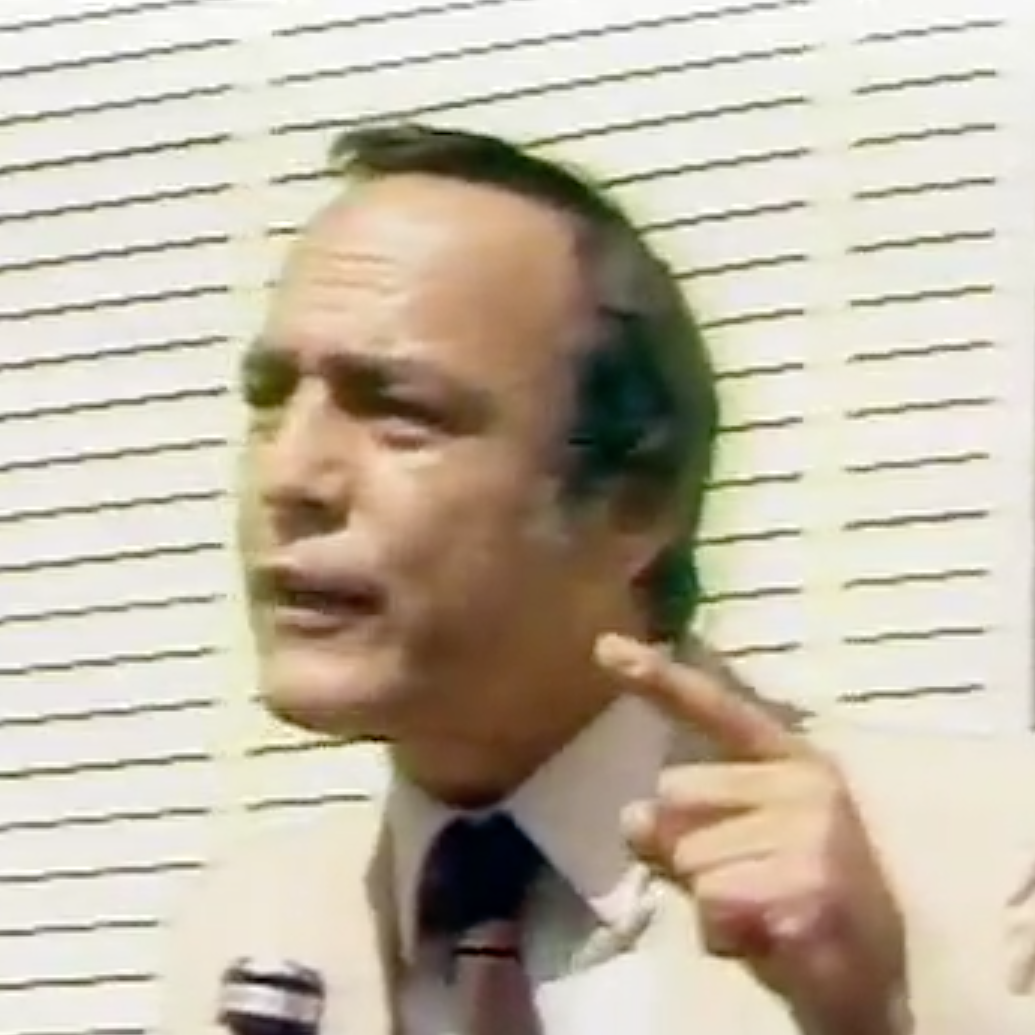
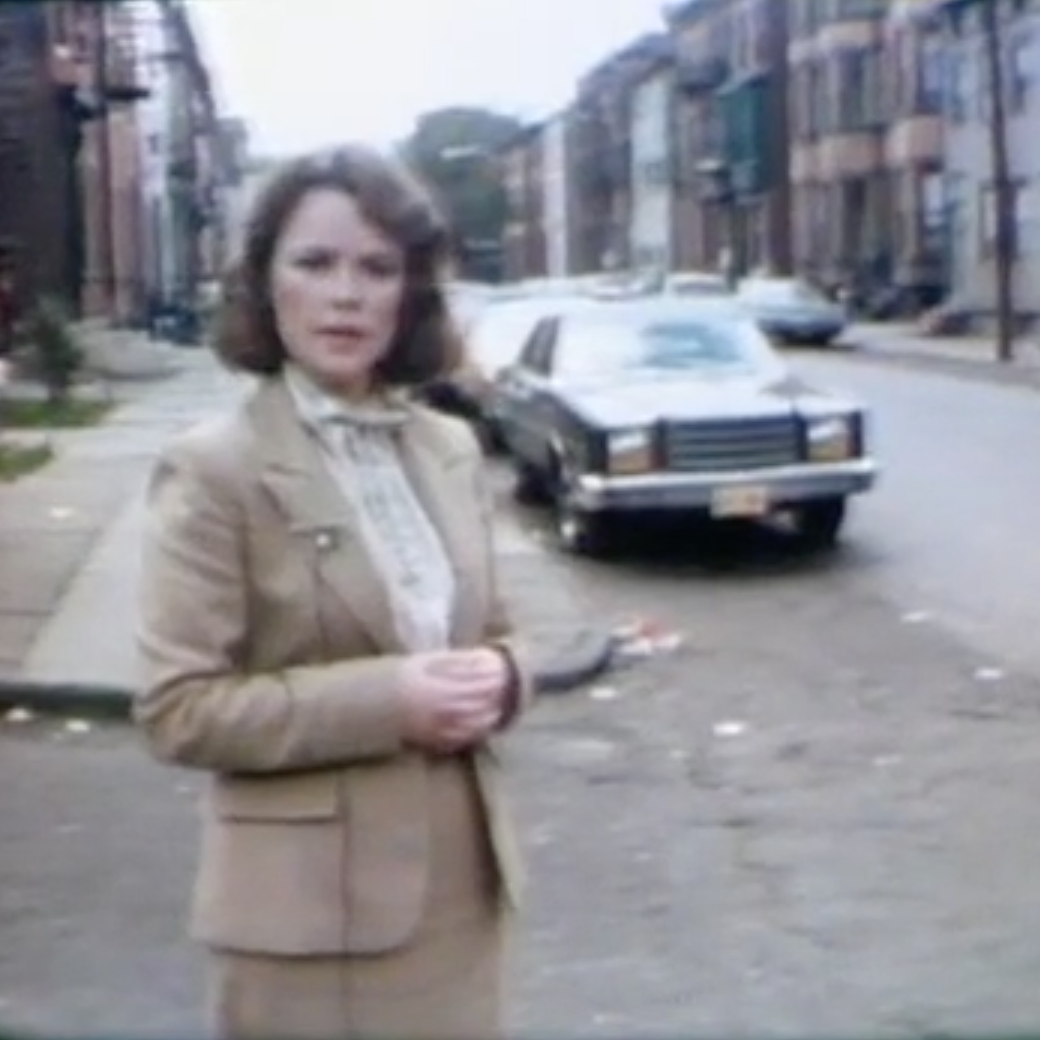
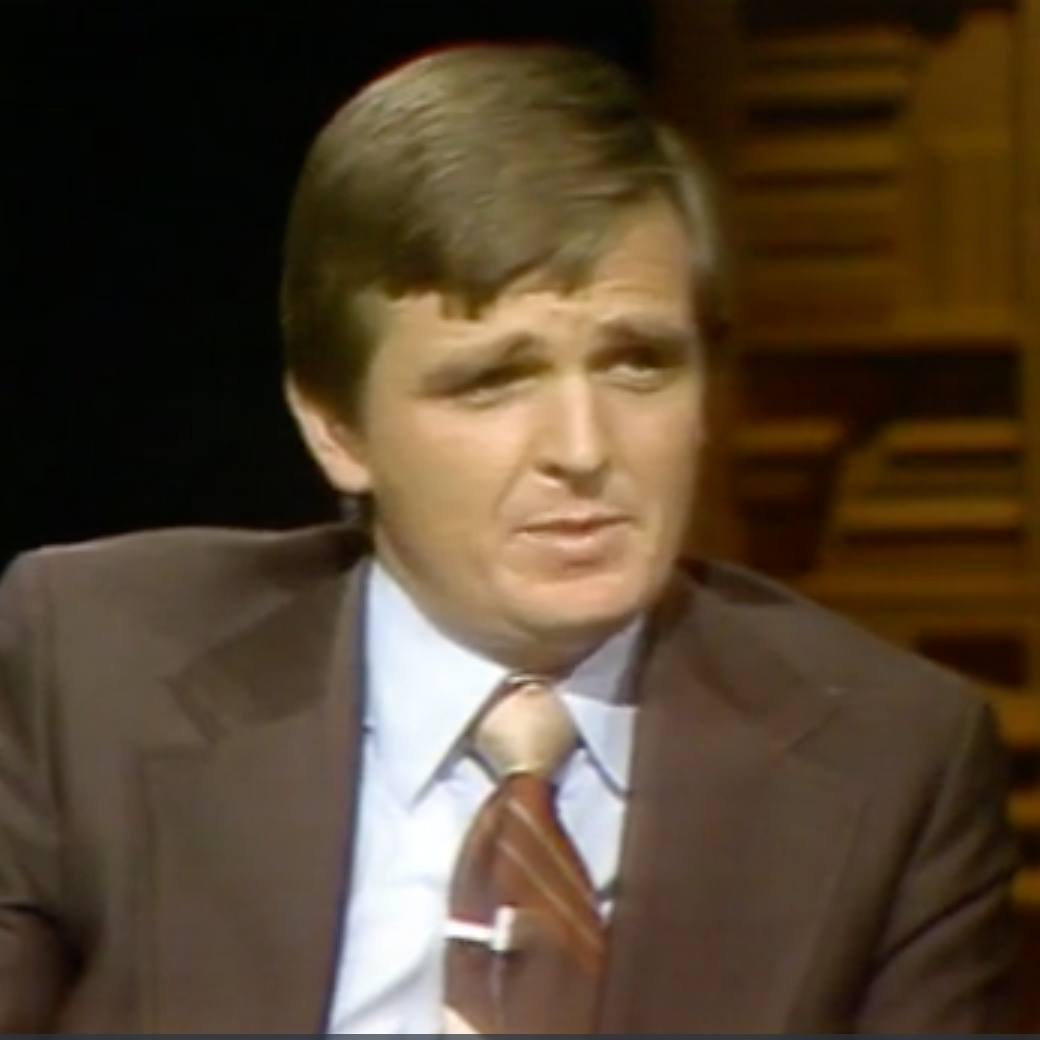
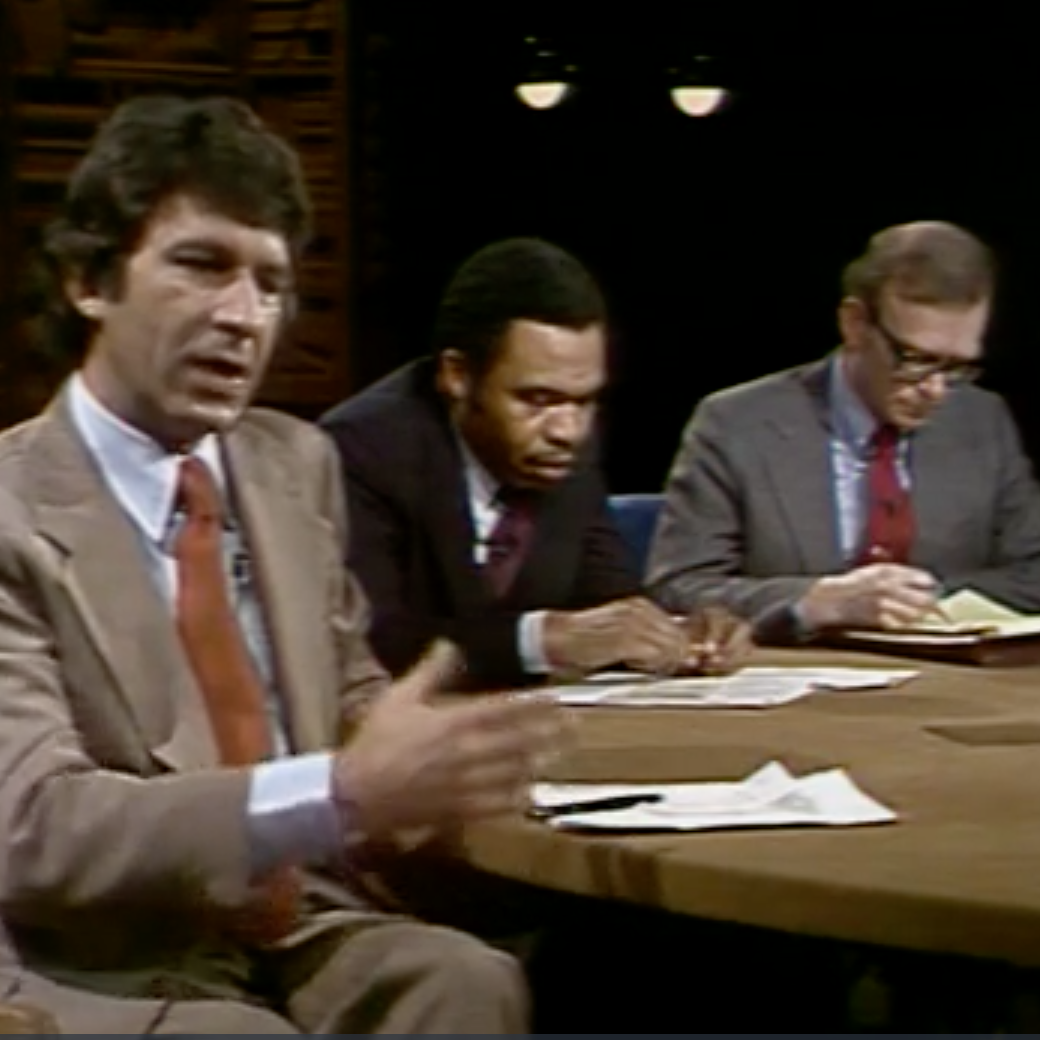
The state of New Jersey provides a useful case study in the challenges of reviving cities during this era. New Jersey was the most urbanized state in the country, but many of those cities were sprawling suburban communities; the more classic urban industrial centers like Camden and Newark faced hard times in the 1970s. As governor from 1974 to 1982, Brendan Byrne sought to conquer the “inner frontier of our cities. If our cities are not made as healthy and attractive as the rest of New Jersey, I fear that all our other achievements are threatened.” Under his administration, New Jersey pursued revenue sharing programs, economic development initiatives, and provided tax incentives to businesses in an effort to revive urban centers. But as this New Jersey Nightly News retrospective report of Byrne’s time in office reveals, these reform efforts often fell short of their goals.

New Jersey Nightly News | New Jersey Network | January 12, 1982 This video clip and associated transcript appear from 16:54 - 22:54 in the full record.

View Full Record