Stopping the “Vicious Cycle” of Suburban Flight (1978)
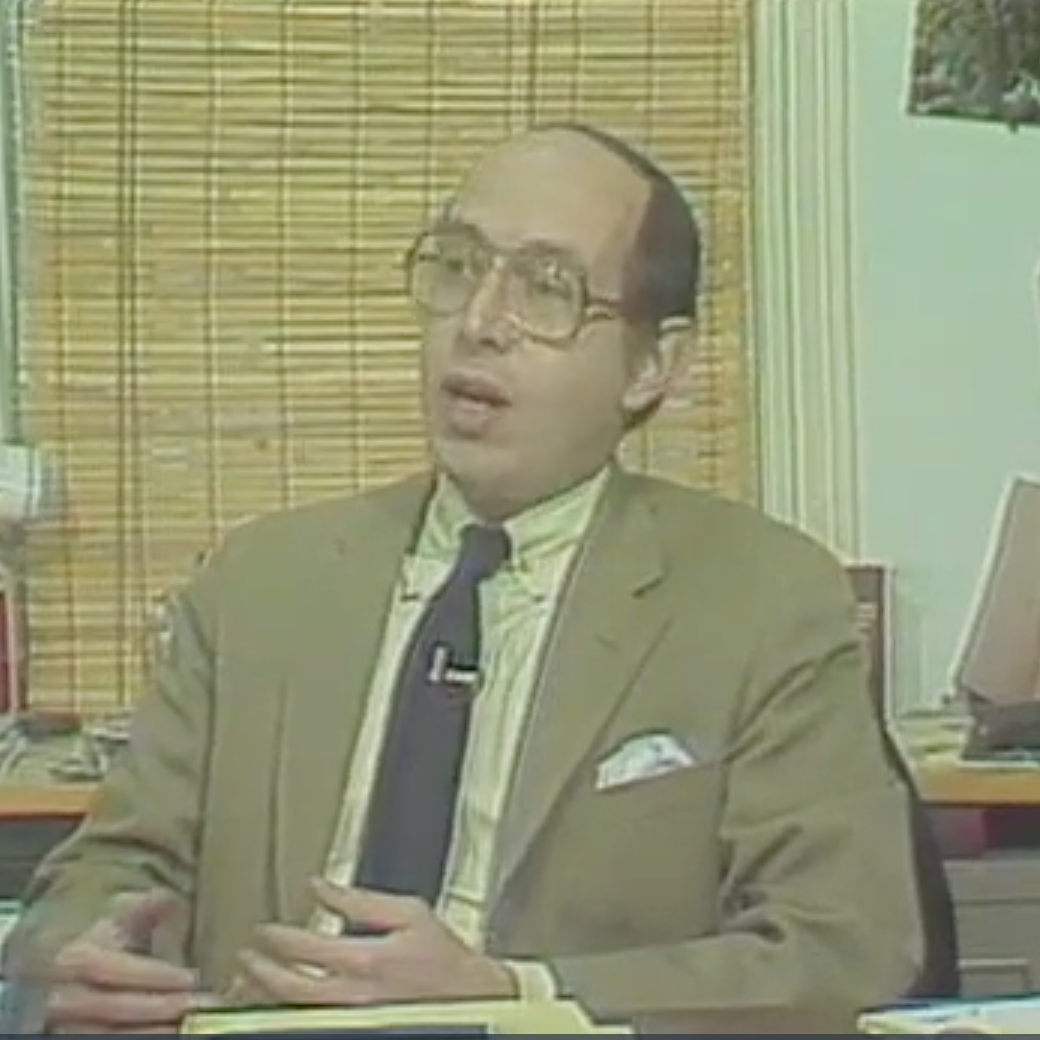
During the urban crisis, cities' social and economic trends decimated the urban tax base. Manufacturing jobs in cities disappeared at the same time as higher income residents moved to the suburbs. Cities could only tax within their boundaries, and the money was moving out of city limits. Thus, cities endured growing poverty-associated problems (such as crime, violence, and addiction) at the same time as they were losing the revenue needed to fund social services that addressed these problems. As conditions in cities got worse and worse, most anyone with the means to move to the suburbs did so, leaving only the poorest residents stuck in the decaying cities. For many reformers, like the authors of a New Jersey State Economic Policy Council report discussed in this 1978 episode of the New Jersey Nightly News, the solution was to design schemes to reallocate tax revenue. If some money raised from surrounding suburban areas, states, and the federal government could be funneled back into cities, urban areas would have the resources to deal with social problems and revitalize their economies. The clip ends with a summary of a more optimistic report regarding urban trends from the Regional Plan Association.
New Jersey Nightly News | New Jersey Network | October 3, 1978 This video clip and associated transcript appear from 1:24 - 4:45 in the full record.
View Full Record Middle Class Exodus to the Suburbs (1966)
 The Struggles of the Auto Industry (1980)
 The Domino Effect of Plant Closures in the Rust Belt (1978)
 Joblessness and Lack of Opportunity for Black Urban Youth (1983)
 Urban Decay in the South Bronx (1980)
 Crisis in Urban Housing Projects (1978)
 Fear of Crime in American Cities (1979)
 Political Backlash Against Crime in Newark (1979)
 The “Local Control” Argument Against Aid to Cities (1977)
 Debating Aid to Struggling Cities (1978)
 The Political Challenge of Reviving New Jersey’s Cities (1982)