DENNIS KUCINICH, Mayor of Cleveland: There will be 875 police officers, 450 firefighters, 250 from the waste collection department, 225 from the recreation department
ROBERT MacNEIL: Cleveland is the first major city to default since the Depression. But it`s by no means the last city to face a winter of financial crisis, reduced services, and layoffs.
Good evening. It used to be that what urban politicians feared was the long, hot summer. This year it may be the long, cold winter. Starting with Cleveland`s technical default last Friday, dozens of important cities are facing budget deficits and the prospect of laying off vital employees like policemen, firemen and teachers. The reason is a combination of inflation, a cut in federal aid by the last Congress, and the prospect of further cuts as President Carter tries to reduce the federal budget. Today a posse of angry mayors went to the White House to plead with the President not to dump the cities in the coming austerity. Tonight: how many more Clevelands? Jim?
JIM LEHRER: Robin, if the possibilities weren`t so tragic for the 600,000 people who live there, the Cleveland story set to music might make a first- rate musical comedy. The developments, coming one headline after another, have bordered on the bizarre since it was revealed last week that the city was on the verge of defaulting on $15 million in loans to six Cleveland banks. The deadline was midnight Friday. There were pictures of federal marshals preparing to seize water meters, among other things. Then the mayor, Dennis Kucinich, proposed a one-half percent increase in the city income tax as a kind of collateral to keep the banks from foreclosing. But the city council, made up of the mayor`s bitter political enemies, turned down his request that the tax idea be put to the voters. "You must be kidding," said City Council President George Forbes. Forbes wanted Kucinich to agree to sell off a little-used, money-losing electrical power plant. No way, said the mayor. So Friday midnight came, the city was technically in default. On Monday the mayor announced what he was going to do to avert bankruptcy.
KUCINICH: ...cut costs by three million dollars a month, and that will necessitate laying off 2,000 city workers. The previous figure we were working with was about 3,500; our work over this weekend has pared that number down to 2,000, and that`s where the number will stand. The layoffs will be effective on January 2nd.
LEHRER: After making that announcement he then went to the city`s largest bank and withdrew all of his personal checking and savings account funds, a symbolic protest to what he claimed the bank was doing to Cleveland. Then the heads of the various municipal employees` unions held their own press conferences to threaten full-scale work stoppages in retaliation for the planned layoffs.
PAUL WELLS, Laborers` Union: Here you go, Joe. You read what it`ll take for him to get away from it; it will take for him to lay off one of my members. Just one.
REPORTER: You`ll take the whole union out, then?
WELLS: I will take my total local out of he lay off one member.
REPORTER: How many members?
WELLS: You`re talking about 1,400 members with the City of Cleveland.
LEHRER: Then it was Tuesday, yesterday. The mayor offered a compromise. He would agree to let the voters decide the power plant sale issue if the council would put the income tax raise on the same referendum ballot. "Some sanity is being restored to this city, after all," said City Council President Forbes. Tonight it appears the referendum will come off. The layoffs, set for January 2nd, will probably be deferred, the threatened strike in reaction held in abeyance. That`s what it looks like tonight, at least. Robin?
MacNEIL: Let`s get a closer focus now on the Cleveland story from a reporter who`s been covering the city`s politics for twenty years. Hugh Danaceau is news director of Cleveland radio station WWWE, and he does a weekly news program on Public Television Station WVIZ. He`s here in New York with us this evening because the Cleveland story is still so hot that all the broadcast lines into the city are occupied.
Why did this happen to Cleveland?
HUGH DANACEAU: It goes back, Robin, about a generation; and you can put the word "generation" in front of every phrase: a generation of exodus of the professional and middle class and upper middle class people from the City of Cleveland. They care about the City of Cleveland but they no loner have a voice. We`ve had a generation of politicians, public officeholders, who continued their tenure in office by promising the voters, "We won`t raise your taxes." And over a period of a generation the taxes in Cleveland were not raised to the point where they should have been raised. And that continued; perhaps that was the only political promise that was made during the campaign that the politicians kept -- they did not raise the taxes. We have had, not for a generation but for about twenty years, what we call racial politics in Cleveland, where we have officeholders and people seeking office who use racial divisiveness as political weapons to achieve office, and they use it to keep that office. We had it ten years ago when we had the first black mayor of a major American city, Carl Stokes. At that time we had a white council president. Now, ten years later, we have a white mayor and a black council president, and the racial politics are still involved.
MacNEIL: And that has produced a kind of political stalemate that -:as put Cleveland in the situation it`s in?
DANACFAU: That, combined with the problems that face every large city: the cutting off of funds or the lack of help from Washington that we once had that is now being cut back -- all of these came together in Cleveland at this time, causing this problem. And there won`t be much help from the State of Ohio that we can see, either.
MacNEIL: What`s your evidence for that?
DANACEAU: The lieutenant governor-elect of the State of Ohio, George Voinovich, who will take office on the eighth of January, has a new job. In Ohio we`ve decided the lieutenant governor should do more than preside over the senate and wait for something to happen to the governor, so he will head an organization called a Local Government Commission to deal at the state level with local government problems. And Mr. Voinovich told me that he doesn`t expect the State of Ohio to do anything. I said, "Well, what should Clevelanders do?" And he is a Clevelander. And he said, "Clevelanders should raise their taxes." And then I asked him, "What happens if Clevelanders don`t raise their taxes at the ballot box?" Mr. Voinovich told me last night, he said, "Then perhaps Clevelanders should suffer a little bit."
MacNEIL: Are Clevelanders going to raise their taxes at the ballot box, this referendum that Jim referred to?
DANACEAU: I don`t know. I don`t think anybody knows.
MacNEIL : And if they don`t?
DANACEAU: If they don`t, then perhaps, as the lieutenant governor elect said, Clevelanders will suffer a little bit.
MacNEIL: You mentioned the cutoff, or reduction in federal aid. To what extent is that -- and I suppose you`re referring particularly to the last Congress failing to renew the so-called countercyclical aid, the reduction in CETA jobs -- to what extent is that the cause of Cleveland`s problems?
DANACEAU: As far as the City of Cleveland and its particular problems are concerned, perhaps it`s not the cutoff of funds but the cutoff of the expectation of funds, more than anything else.
MacNEIL: Well, thank you. Jim?
LEHRER: The headline over a Sunday New York Times story about the nation`s cities was, "For the present, Cleveland is a sad but special case." The key word, say some big city mayors and urban experts, is "present," that other big cities may soon follow the Cleveland road to default, even without Cleveland`s accompanying political theatrics. Buffalo, St. Louis, Pittsburgh and Newark are on most of the so-called city hardship lists, particularly Newark. A cutback in some federal programs recently caused Newark Mayor Kenneth Gibson to announce the layoff of 400 municipal employees and a sweeping reorganization of the city government. Mayor Gibson was one of those mayors who called on President Carter this afternoon. Mayor, I want to ask you about your visit at the White House this afternoon in a moment, but first, how bad is the situation financially --n Newark right now?
KENNETH GIBSON: Well, our situation, first of all, is not as had, nowhere near as bad as has produced the situation in Cleveland. I want to emphasize first that Newark is not going to default on any of 11-s obligations, we are not close to bankruptcy, and as long as I`m mayor of the City of Newark we won`t have that kind of problem. We will continually be forced to shrink our provision of services because of a shrinking tax base. There`s such a thing as how much money do you have to spend. You can`t spend what you don`t have. Our problem in Newark is caused by the loss of the countercyclical fiscal assistance.
LEHRER: How much was that?
GIBSON: About eleven million dollars in Newark, and that`s a significant portion of our budget.
LEHRER: What percentage of your budget?
GIBSON: Well, we`re talking about roughly six percent of Newark`s total budget. And we have had to lay off 441 city employees -- that`s t-.e city`s operating employees, including 200 policemen. Now, we can`t really stand to suffer those kinds of losses, but at the same time you can`t spend eleven million dollars that you don`t have.
LEHRER: All right. The other thing I just read about in yesterday`s paper was the reorganization that you`re considering for the whole city government of Newark, and you said in your statement that there were many overlaps in departments and it wasn`t as efficient as you wanted the government to be. So is this a good result of a bad situation?
GIBSON: Well, frankly, we would go through reorganization processes anyway. The kind of reorganizations that I`m trying to get past the city council would have been proposed if we were very, very wealthy in the City of Newark. We`re just trying to get some more efficiency into city government.
LEHRER: So it`s not a direct result, then, of the eleven-million dollar cutoff from the federal government.
GIBSON: No; we would do this anyway.
LEHRER: All right. Now, you went to see the President this afternoon. What did you all tell him?
GIBSON: Well, primarily we tried to impress upon the President the importance of the countercyclical fiscal assistance, the anti-recession measure, which we`ve already lost. Most of us have already budgeted for this month; in Newark we didn`t receive the last quarter of 1978, there`s no anticipation that we can look forward to in 1979, therefore we lose all of that anticipation, therefore we lose the money. That`s first. The projected loss of 400,000 CETA jobs -- really, if we`re talking about trying to improve the urban sector, we can`t lose 400,000 jobs.
LEHRER: How many CETA jobs do you stand to lose in Newark?
GIBSON: Well, again, we don`t know what the final analysis is going to be, but if you do an across-the-board-basis projection for that, we are going to lose anywhere from five to ten thousand jobs in the City of Newark. And we`re talking about trying to get people into the job market, and we cut back on the job production, the job training programs that allow those people to get into the market.
LEHRER: What did the President say?
GIBSON: The President didn` t give us any assurances that there would be any fight by the administration for the anti-recession money. In fact, I think he`s washed his hands of that, he doesn`t think it`ll pass Congress. That`s number one. We got no commitment on CETA programs; that`s number two.
We got no commitment that there would be an additional push in the housing and community development block rent programs; that`s number three. We got no commitments today whatsoever.
LEHRER: You got nothing, then.
GIBSON: We got an ear. He listened.
LEHRER: Did he convince you of the need for austerity in federal funds?
GIBSON: Well, he didn`t convince me because there`s a direct increase in defense spending by seven percent to deal with inflation, while we get no increase in health programs, and a dollar increase by three percent in defense spending for a total ten percent increase in the military budget, and a cutback of $20 billion in the social programs in this country. So I can`t be convinced, with that kind of priority.
LEHRER: All right; thank you, Mayor. Robin?
MacNEIL: Another big city mayor who attended that meeting with President Carter today is Charles Royer, mayor of Seattle, Washington. Mayor Royer, your city is generally thought to be in a lot better shape than Newark. Why did you fly 3,000 miles to talk to the President today?
CHARLES ROYER: Well, because I think that`s a misapprehension that Seattle is in so much better shape than Newark. In relative numbers, perhaps. Seattle is perceived to be having an economic boom, and in fact it is. But the same people who were unemployed in Seattle during the Boeing depression of the early `70s are still unemployed today. That is, our young black people are structurally unemployed that we`ve tried to help with the CETA program; people who don`t have the means to cope with an economic boom housing market, who are being displaced and forced out of our city. So we need CETA; we need housing programs, just like Newark does. We`re not laying off 200 policemen, but we`re not hiring any, either.
MacNEIL: Will you have to make layoffs?
ROYER: Well, we`ve already cut back. And in fact, it ought to be said that local government has been cutting its budgets where personnel are concerned, and we`ve been doing that for years, and we`ve done a pretty good job of it. But we`re not going to have to cut policemen.
MacNEIL: How much have you lost in federal funds? Mayor Gibson mentioned about eleven million dollars. How much have you lost in Seattle?
ROYER: Well, in Seattle we lost $1.2 million in countercyclical money; we didn`t budget it because we didn`t think we were going to get it. So we took the hurt early. We lost in the neighborhood of $800,000, almost a million dollars, in general revenue sharing, but the economy was good enough to keep us afloat. But the case I tried to make and the reason I came is that in Memphis, at the Democratic conference, the Vice President said to this same group of mayors essentially, he said, "What is your problem, what do you want to cut?" And there is no one thing you can cut. In Detroit and Newark it`s countercyclical and CETA which is critical; in Seattle, where we have a housing crisis, it`s the housing dollars, which are now anticipated to be even below the Ford budget for next year if the 0,`B cuts come through; that`s what I`m concerned about.
MacNEIL: What was the President`s mood and attitude to these things you were pointing out to him, you and the other mayors, today?
ROYER: Well, as Ken said, he listened, which was good. And I`m a new mayor, I`ve only been in office for a year. But in that year I`ve been at the White House probably three or four times to talk with Jack Watson or Stu Eizenstat, and in this case the President. When we`ve had a problem I`ve been able to call the Vice President and say, "Look, I think we need some help on this." It`s been the most accessible White House, I think -that I know about, certainly -- and so I was grateful for that. But as Mayor Gibson pointed out, we didn`t get any commitments. I don`t believe that the President is exactly locked in to these enormous cuts which are rumored, but I don`t believe that we moved him much, either.
MacNEIL: Well, thank you. Jim?
LEHRER: There`s only one national newspaper columnist who devotes most of his time and energy to watching the ups and downs of America`s cities. He`s Neal Peirce, whose column on urban affairs is distributed by the Washington Post. Mr. Peirce is also a contributing editor to the National Journal and the author of a series of books on the cities and states of America. Neal, you`ve heard what Mayors Gibson and Royer have said. How would you diagnose the health of the American cities generally right now?
NEAL PEIRCE: Well, it`s very mixed, Jim. Certainly, if you want to look at long-term employment problems, like black unemployment, things are bad. If you look at certain cities -- and there are probably fifteen or twenty in the country -- they are in very serious financial shape chronically. We know that the cities in the Northeast and the Midwest generally are in much worse condition than those in the sunbelt -- that is, from the South all the way around up the West Coast and including...
LEHRER: All the way to Seattle?
PEIRCE: All the way you`re much better off in recovery from the recession in many of these cities and causing to Seattle -- on a comparative basis, you know, those other cities. There has been a strong reof the mid-1970s. Property values are rising
LEHRER: Tax revenue therefore.
PEIRCE: Tax revenue, therefore, to go up. A lot of long overdue management reforms have been instituted; a lot of these cities were adding on employees like mad during the `60s and the early `70s, and finally they had to face the fact they couldn`t do it any more. Some effected some tax increases -- might have hurt them a little with their local economy. Some of those -- apparently in Cleveland -- were overdue or are still overdue. And you had these massive infusions of federal aid: CETA; the countercyclical program, which is now apparently in deep trouble if not dead; local public works. All of these things combined to bring the cities back from the brink of disaster, but it does not mean that some are not left in a very perilous condition right at the moment.
LEHRER: Well, what cities are in perilous condition?
PEIRCE: Well, you know, I really am very reluctant to say Pittsburg, yes but Buffalo no, or New York yes -- although obviously the New York problems last for a long time. And you have to recognize, there`s different kinds of poverty. You can have a city with a lot of poor people in it which is very sound fiscally because the state government insists on it, which happens to be Mayor Gibson`s situation in Newark. You can have a city like New York City, which has immense wealth within it but as we know came to the brink of bankruptcy because of the kind of fiscal shenanigans and improper management which apparently the Clevelanders have been permitting for the last several years. So what`s a city that`s in trouble, one that`s going to go bankrupt? Not many. A city that has severe economic problems? There are a lot of those. But we miss the point, I think, when we talk about their problems, as real as they are, and I think the mayors miss the point of talking up what they`re doing right. They have immense building booms going on in the center cities; they have many of their urban neighborhoods reviving for the first time in decades; they have people returning, middle class returning into some of these neighborhoods; the neighborhoods themselves are coming back up again. We`re getting a big increase in a number of cities in center city retailing, in jobs, a construction boom in new office buildings. So there are plusses to be seen at the same time, but on an immediate basis, if you or I were mayor, we`d be pretty worried about the next year or two.
LEHRER: All right, thank you. Robin?
MacNEIL: Mayor Gibson, let me start with you and ask you an unpopular question. It`s been said -- and we`ve often heard it said on this program, with reference to CETA and countercyclical aid -- that many American cities have become federal junkies. They have been budgeting in on the expectation of federal aid and using what was often considered emergency programs for routine expenditures, like hiring policemen. Is there a good side to this that it is going to force the cities to wean themselves from that federal dependency?
GIBSON: Well, first of all, I don`t really believe that we should be talking about weaning ourselves from the dependency of the government really that has pre-empted the basic tax revenue in this country, and that`s the federal graduated income tax. We can`t live in older central cities depending upon the property tax as the basic source of revenue, which I do in the City of Newark, because that`s all I have available. We live in the richest country in the world. I have 400,000 citizens of that country that depend upon Newark and the rest of the government unit for basic services. We cannot afford to provide health care for the elderly. We can`t afford to provide the day care centers. We really can`t afford to provide basic housing construction support programs. All of these really are programs that the federal government has instituted and should continue to support. As we see the budget that has been projected so far, that support is being eliminated. Now, where are these programs to be provided, from the revenue tax base that we have in the City of Newark, where sixty percent of the land area in Newark is tax-exempt because we support the entire region with airport facilities, port facilities, federal office buildings, educational institutions? Sixty percent of Newark is tax-exempt, and people are looking for these basic services. No:;, we can`t really say we`re going to eliminate the dependency on the federal government or on the state government. We live in the richest country in the world, and we can support, by federal aid, foreign aid programs, shaky dictators around the world; then we should be able to subsidize the people who live in T1ewark and the rest of the people of this country.
MacNEIL: If the tax collection and distribution were rationalised, you mean.
GIBSON: That`s right. Right now, the federal government has preempted, as I said before, the basic source of revenue in this country.
MacNEIL: Mayor Royer, do you have a view on that?
ROYER: Well, one of the things we`ve been able to do in the cities is to follow up on the President`s rhetoric and in fact develop a partnership between government and the private sector to get the kind of investment in cities that will return property and sales tax revenues so that we don`t have to depend perhaps so much on direct federal aid to our operating budgets.
ROYER: But let me just tell you this disparity in revenue, that we are developing one such project in downtown Seattle; the revenues, the sales tax revenues from this project, $163 million over the life of the bonds, will go to the State of Washington and $33 million will come to the City of Seattle. We`ve developed it ourselves and it`s in our city. So there is a disparity in the distribution of revenues between state and local governments.
MacNEIL: Mr. Danaceau, do you think, from your perspective as a journalist and looking at Cleveland, that this is going to be a discipline to wean the cities from federal aid and stop being junkies, or is it going to force a rethinking of the way aid is distributed?
DANACEAU: Well, one wonders if we should ask the mayors should they continue to be mayors.Should we continue to have cities that are selfgoverning, self-taxing, self-operating, or is that now, as we go into 1980, a myth? Shall we do away with your cities, Mr. Mayors?
MacNEIL: Let`s put that point first to ideal Peirce, who`s an expert on these matters in general. It`s an interesting point. Neal?
PEIRCE: I`ve been wondering for a long while if that weren`t the solution. Take Cleveland, for instance, in Cuyahoga County. If a way could be found to disincorporate the City of Cleveland -- and goodness knows, some terrible balkanized politics would be avoided at the same moment that you did that -- become the responsibility of Cuyahoga County, which is as I understand a somewhat better run and more fiscally stable entity, what we`re really doing is putting the cities, particularly the older ones in the Northeast plus a few on the West Coast like San Francisco or New Orleans in the South, in a terrible straitjacket. We need if we can to regionalize the revenue. Well, they are getting some of that money that they should be getting from their more affluent hinterlands, so to speak, through all of these big federal pro-rams like CETA and public works and so on. What they need to find is some way also to hook on to more of the immediate regional wealth and some of the state wealth through state urban policies...
DANACEAU: But Neal, the politicians in greater Cleveland, Cuyahoga County, will never permit that to happen because they go out of business; in Cuyahoga County, in Cleveland, in greater Cleveland there are more than fifty separate municipalities, and each one of the mayors, city councils, the residents of those individual municipalities each think that they have a special way of life and they don`t want it to be homogenized into the greater thing. It`s not a political reality.
MacNEIL: Those are provocative ideas, but for the remainder of the program let`s move on. Jim?
LEHRER: I`ve got to ask Mayor Gibson, though, if the State of New Jersey came to you and said, "Mayor, we understand your problem, we`re willing to take over your city and resolve your problems," would you agree to that?
GIBSON: Absolutely. And I think the mistake that`s being made in this discussion is that people tend to believe that Ken Gibson and Mayor Charles Royer here believe that we are looking for a pension from our jobs as mayor. That`s not the case at all. We have 400,000 people in the City of Newark to serve; we have to ask very basic questions in this country: what services do we want government to provide, regardless of what level of government it is; how do we want to pay for it; and then what taxes to we apply to pay for it? It`s as simple as that. I don`t need to be mayor of Newark; there does not have to be a mayor of Newark, does not have to be a City of Newark. But we can`t forget those 400,000 people who live there, and they have to receive the services.
LEHRER: Mayor Royer, let me ask you this: the report we got this afternoon was that Mayor Kevin White of Boston, who was in this little posse, as Robin called you-all, that went to the White House today, said to the President, "You have a moral obligation to the cities," and that the President just looked at him. Is that an accurate description, and my question is, do you feel that the President has a moral obligation and if so, what is it?
ROYER: Well, it seems to me that he stated a fairly strong moral commitment in the urban policy, and that was to turn the nation`s resources toward the cities after this period of neglect with Nixon and Ford, turn the nation`s resources toward the cities...
LEHRER: Isn`t that a political...
ROYER: Well, but what`s the difference? (Laughs.) I would like to discuss with you sometime the difference.
LEHRER: Between a moral and a political commitment?
ROYER: If there is one. But at least to give the urban policy the same standing as foreign policy, to look at the cities as salvageable, as a decent investment for this country to make. The rhetoric was high and the promises were great, and so far the delivery has been less than exciting. But that seemed to me to be the commitment that Mayor White was talking about, and the President I think said that "You`ve given me too much credit for the urban policy and for doing things in the city," and we`ll just have to wait to see how it turns out.
LEHRER: All right; we have to go. Robin?
MacNEIL: Thank you all very much for joining us, Mayor Gibson, Mayor Royer, and Neal. Good Night, Jim. Thanks, Hugh Danaceau. That`s all for tonight. We`ll be back tomorrow night. I`m Robert MacNeil. Good night.
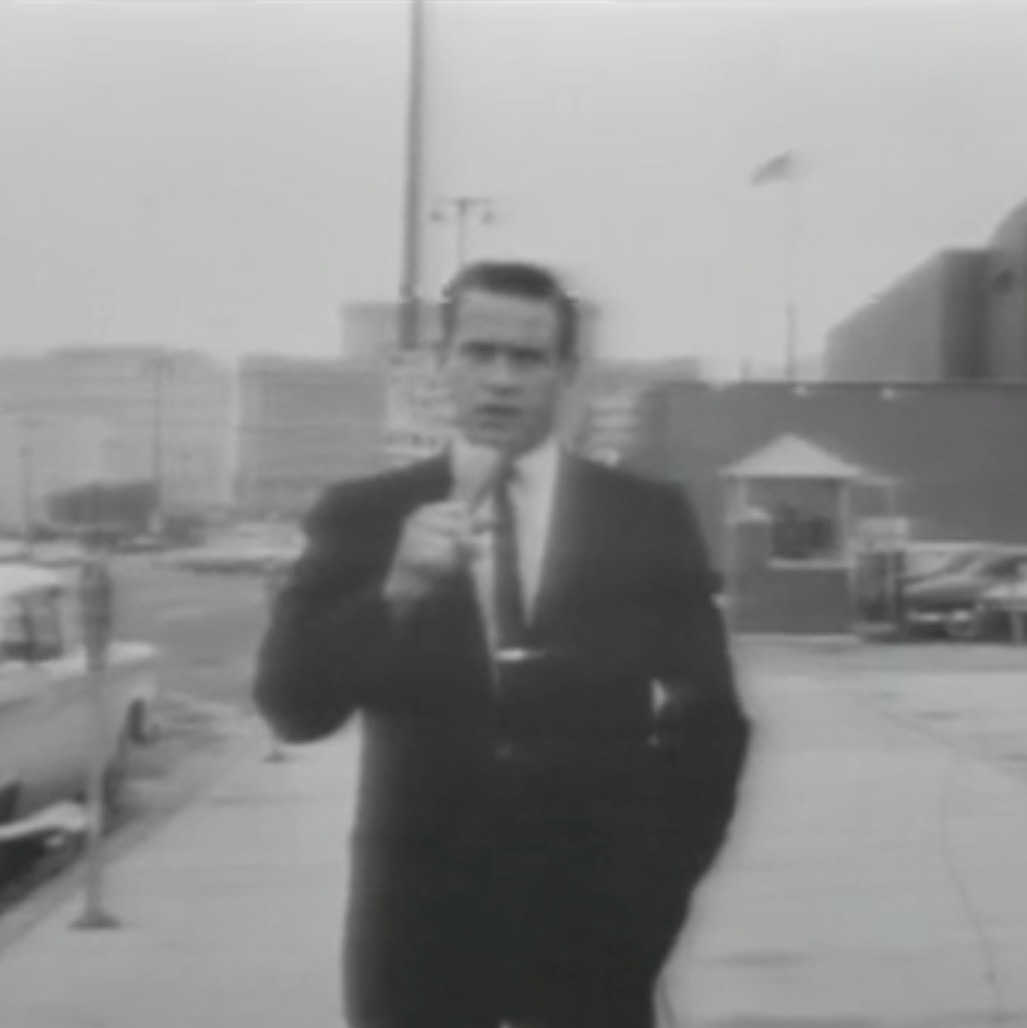 Middle Class Exodus to the Suburbs (1966)
 The Struggles of the Auto Industry (1980)
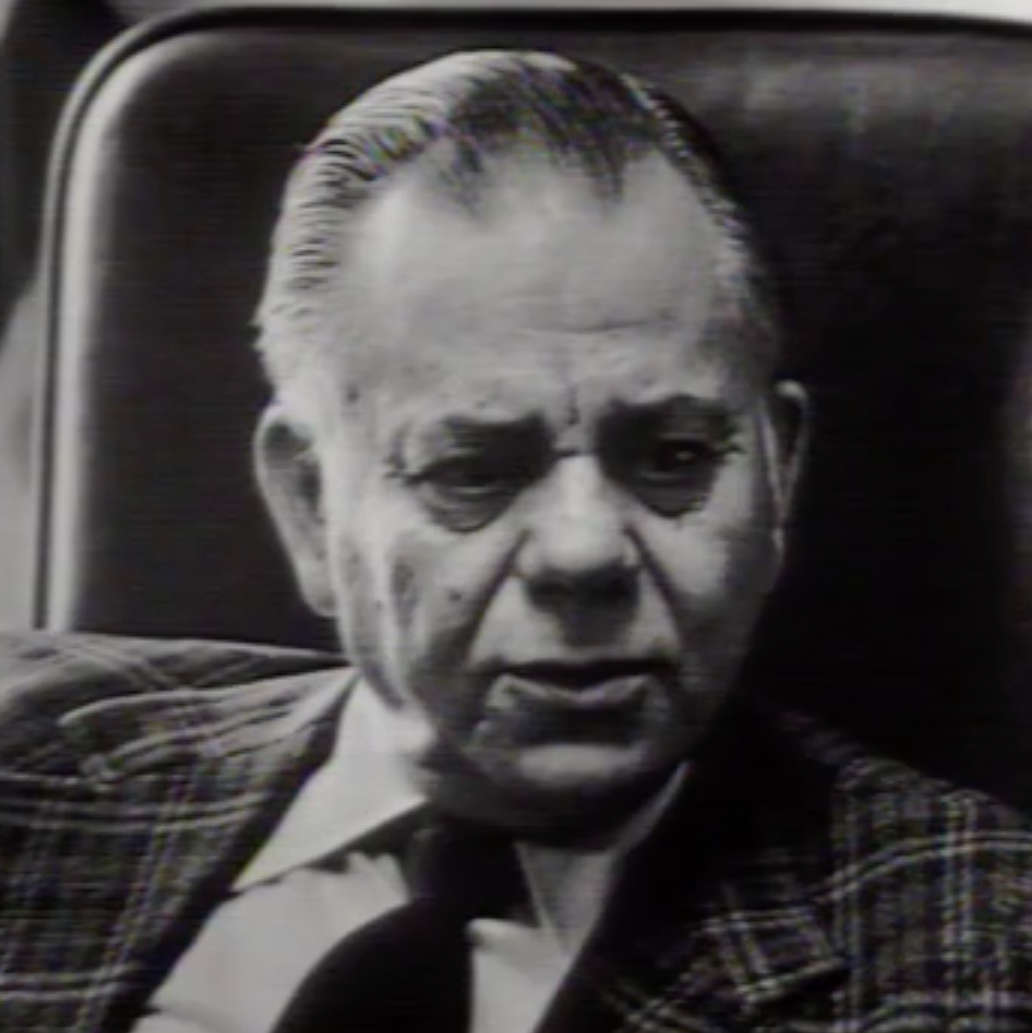 The Domino Effect of Plant Closures in the Rust Belt (1978)
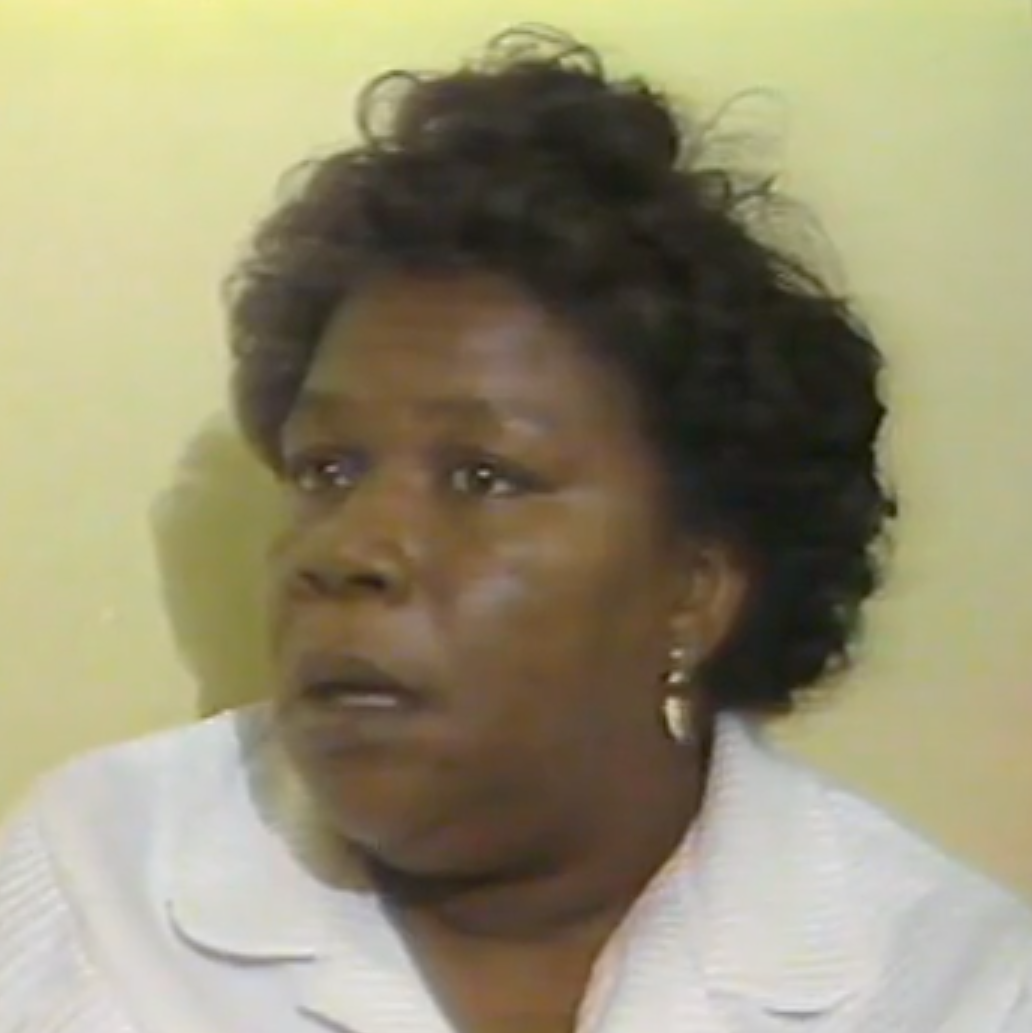 Joblessness and Lack of Opportunity for Black Urban Youth (1983)
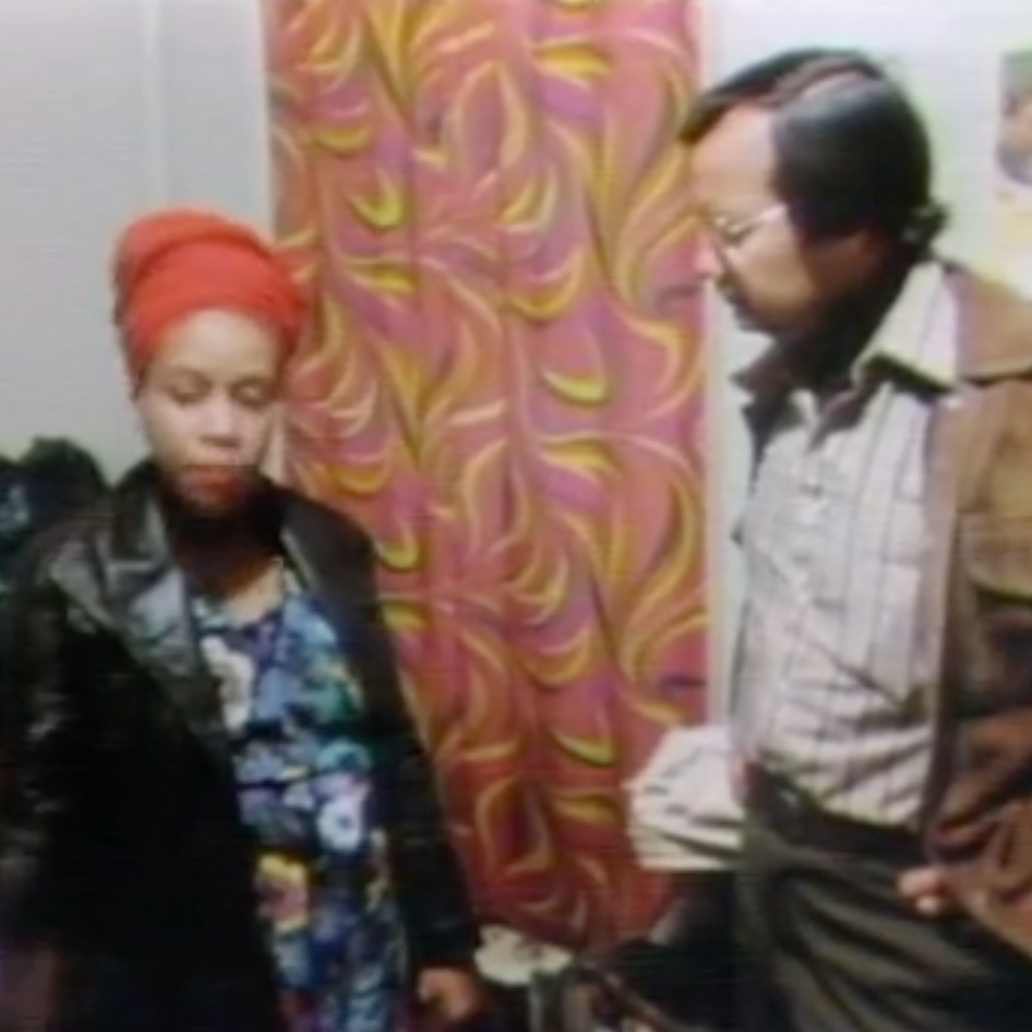 Urban Decay in the South Bronx (1980)
 Crisis in Urban Housing Projects (1978)
 Fear of Crime in American Cities (1979)
 Political Backlash Against Crime in Newark (1979)
 Stopping the “Vicious Cycle” of Suburban Flight (1978)
 The “Local Control” Argument Against Aid to Cities (1977)
 The Political Challenge of Reviving New Jersey’s Cities (1982)